Category: Prescription Drugs - Page 2
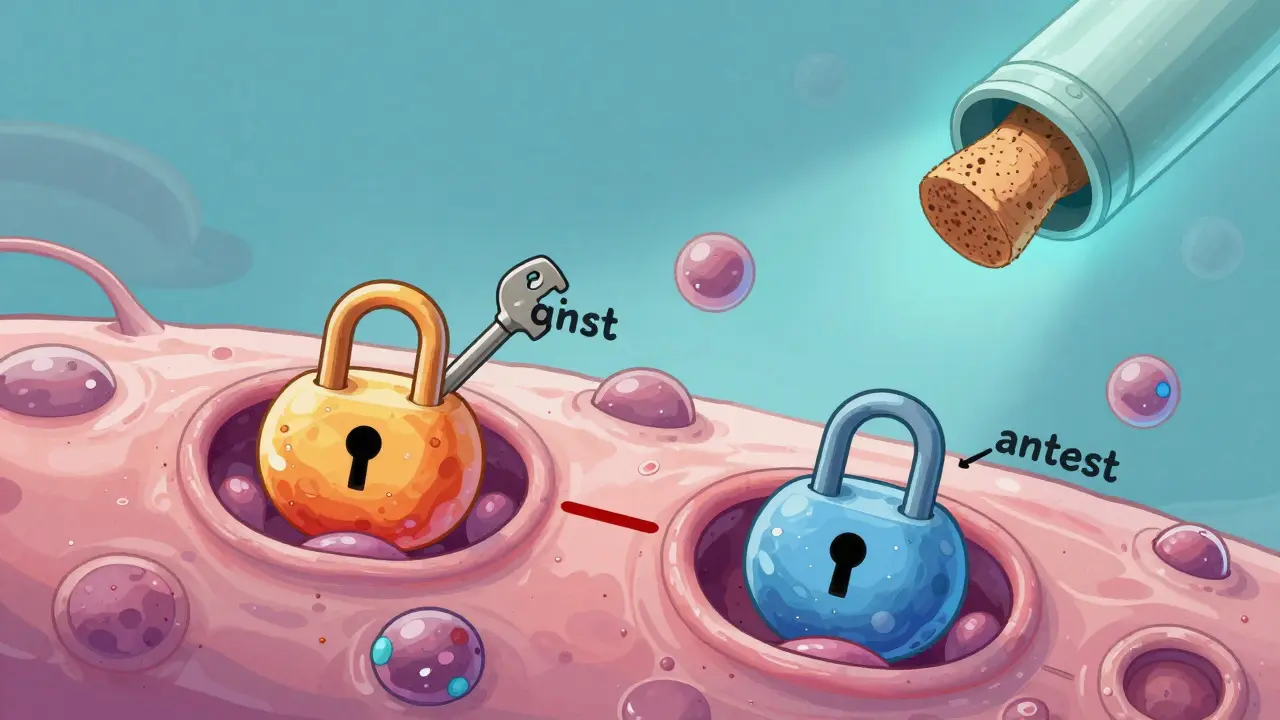
How Medicines Work and When Medications Are Safe to Use
Understanding how medicines work at the molecular level helps you use them safely. From receptor interactions to drug-food conflicts, knowing the mechanism reduces risks and empowers better decisions.
read more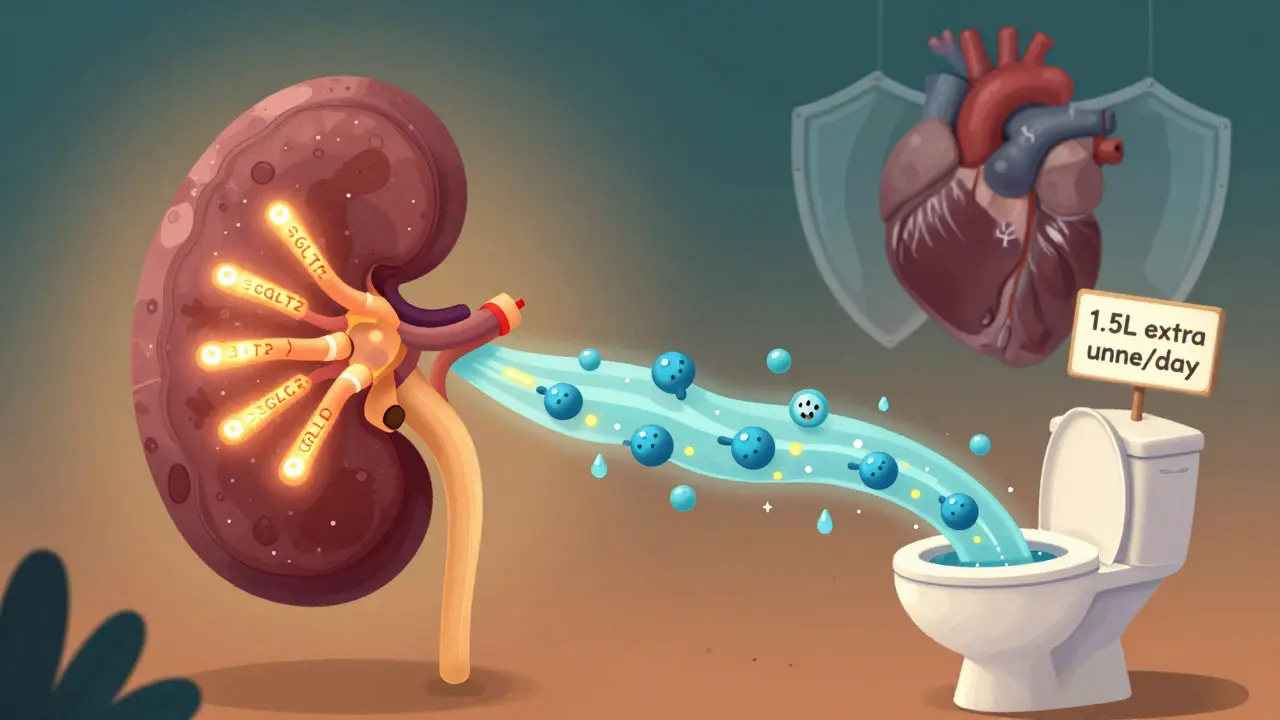
SGLT2 Inhibitor Side Effects: Dehydration, Dizziness, and Blood Pressure Changes Explained
SGLT2 inhibitors lower blood sugar but also cause fluid loss, leading to dehydration, dizziness, and blood pressure drops. Learn who's at risk and how to stay safe while taking these powerful diabetes drugs.
read more
Serious Adverse Events: Reporting Procedures for Generic Drugs
Serious adverse events from generic drugs are underreported, creating dangerous gaps in safety data. Learn how reporting works, why it fails, and what’s being done to fix it.
read more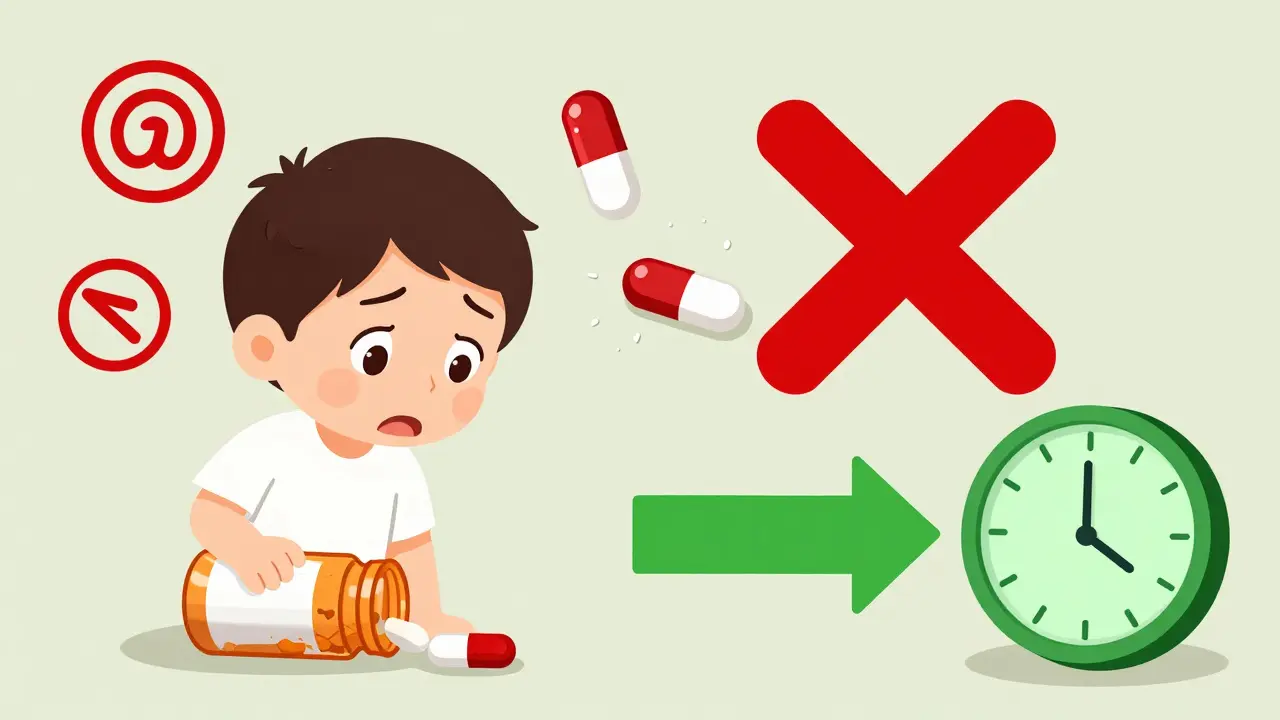
How to Handle Missed Doses Safely Without Doubling Up
Learn how to safely handle missed medication doses without doubling up, which can lead to dangerous side effects. Get clear, evidence-based rules for common drugs like warfarin, blood pressure meds, and birth control pills.
read more
Are Generic Drugs Copies? The Truth Behind the Myth
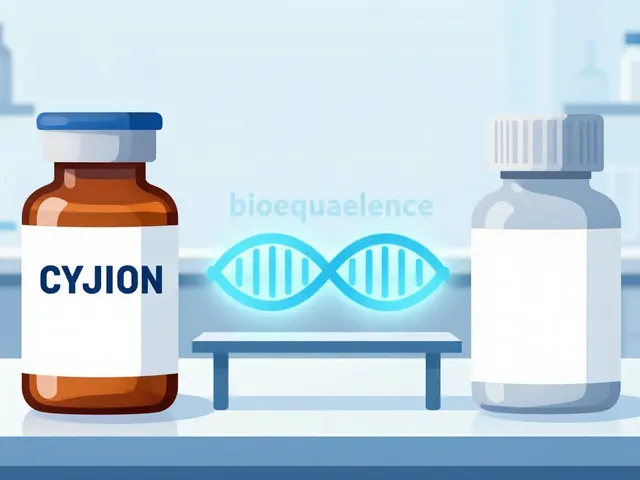
Generic drugs are not inferior copies - they’re scientifically proven equivalents to brand-name medications. Learn how they work, why they’re cheaper, and when you should stick with the original.
read more
When Doctors Adjust Doses After Switching to Generic Medications
Switching to generic medications can be safe - but for drugs with a narrow therapeutic index like levothyroxine and warfarin, even small changes in absorption can cause serious problems. Learn when dose adjustments are needed after a switch.
read more
New Antidepressants with Better Side Effect Profiles: What’s Emerging in 2026
New antidepressants like Exxua, Zuranolone, and Auvelity offer faster relief and fewer side effects than older SSRIs. Discover how these 2026 breakthroughs are changing depression treatment-and who benefits most.
read more
Chemo at Home: Safe Handling, Storage, and Exposure Prevention
Learn how to safely handle, store, and avoid exposure to chemotherapy drugs at home. Essential guidelines for patients and caregivers on oral and IV chemo, spill response, 48-hour precautions, and disposal rules.
read more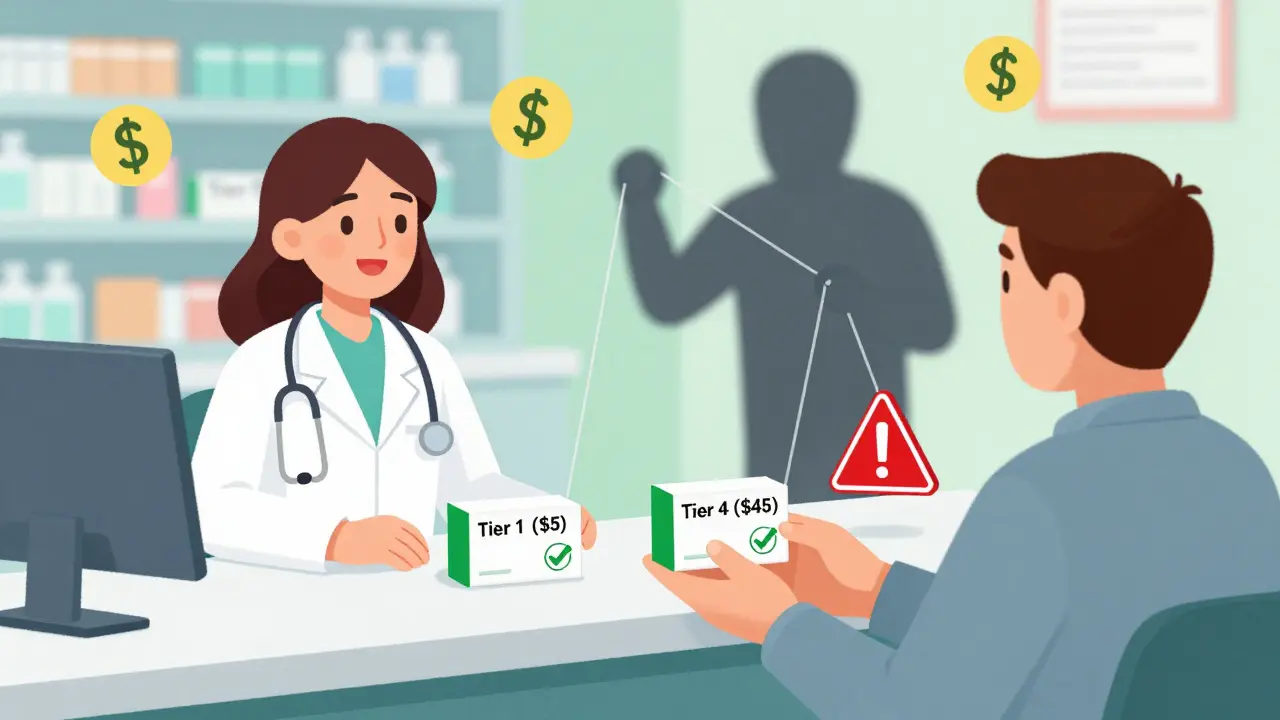
Tiered Copays: Why Your Generic Medication Might Cost More Than Expected
Your generic drug might cost more than the brand name because of how insurance tiers work-not because it's less effective. Learn why PBMs place generics in higher tiers and what you can do about it.
read more
Pharmaceutical Equivalence for Generics: What It Really Means When You Pick a Generic Drug
Pharmaceutical equivalence ensures generic drugs contain the same active ingredient, strength, and dosage form as brand-name versions. It's the first step to safe substitution-but not the only one. Learn what it really means for your prescriptions.
read more