
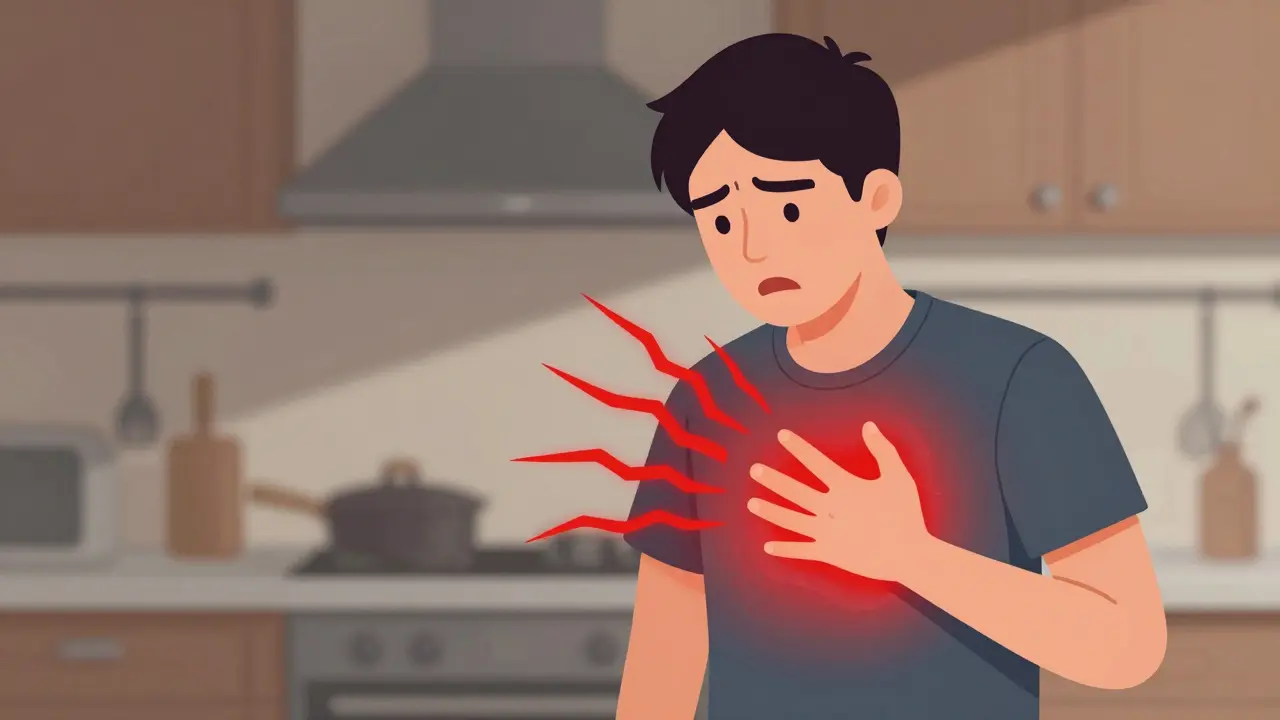
It starts as a dull ache, a sharp pinch, or maybe just a strange feeling of tightness that makes it hard to catch your breath. For many, the first instinct is to wait it out or assume it is just heartburn from dinner. But when it comes to your heart, waiting can be a dangerous game. Knowing the difference between a muscle strain and a life-threatening cardiac event isn't just about knowing the "classic" pain in the chest; it's about recognizing how your body signals a crisis.
The reality is that not every trip to the ER for chest pain ends with a heart attack diagnosis. In fact, according to the 2021 guidelines from the American Heart Association (AHA), only about 10-15% of people who visit the emergency department with chest pain are actually having a myocardial infarction (heart attack). However, the risk of guessing wrong is simply too high. If you are reading this because you or a loved one are feeling "off," the priority is safety over avoiding a "false alarm."
What Does Chest Pain Actually Feel Like?
Forget the movie trope of a person clutching their chest and collapsing. Heart-related pain is often deceptive. It can feel like pressure, squeezing, or fullness. You might feel it in your chest, but it can also radiate to your shoulders, arms, neck, back, jaw, or even your upper abdomen. This is what doctors call "anginal equivalents."
Pay close attention to symptoms that don't feel like "pain" but feel like systemic distress. Sudden, extreme fatigue or shortness of breath can be just as telling as a stabbing sensation. For many people, especially women and those with diabetes, these non-classic symptoms are more common. If you feel a heavy weight on your chest or a tightness that doesn't go away with a change in position, your body is trying to tell you something critical.
The Red Flags: When the ER is Non-Negotiable
There are specific clinical "red flags" that mean you should stop wondering and start moving toward the nearest emergency room. If you experience chest discomfort paired with any of the following, you are in the high-risk zone:
- Diaphoresis: This is the medical term for breaking out in a cold, clammy sweat without an obvious reason.
- Tachypnea: Breathing rapidly (more than 20 breaths per minute) or feeling like you can't get enough oxygen.
- Tachycardia: A racing heart (over 100 beats per minute) while you are resting.
- Hypotension: Feeling dizzy, lightheaded, or fainting, which can signal a drop in blood pressure.
- Nausea and Vomiting: Unexpected stomach upset accompanying chest tightness.
If you see these signs, do not drive yourself to the hospital. Using a personal car instead of calling emergency services is associated with a 25-30% increase in adverse events. Why? Because paramedics can start the chest pain evaluation the moment they reach your door, providing life-saving interventions before you even hit the hospital parking lot.
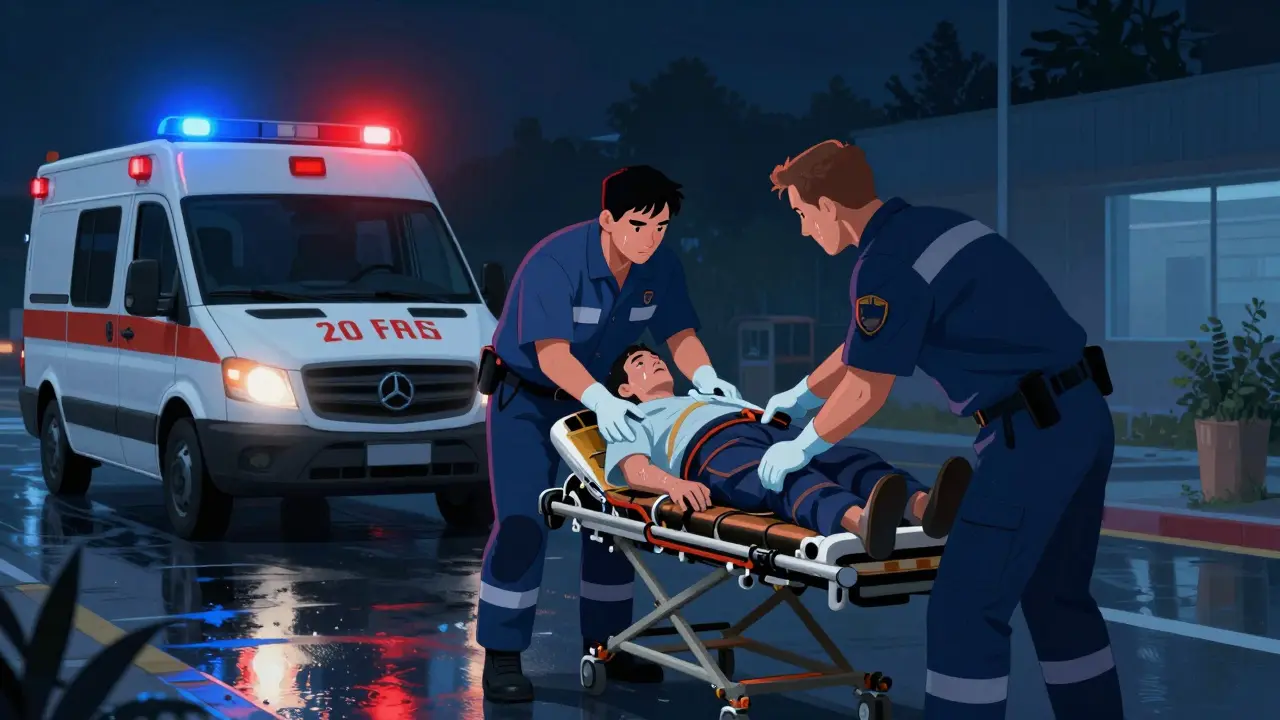
What Happens When You Arrive at the ER?
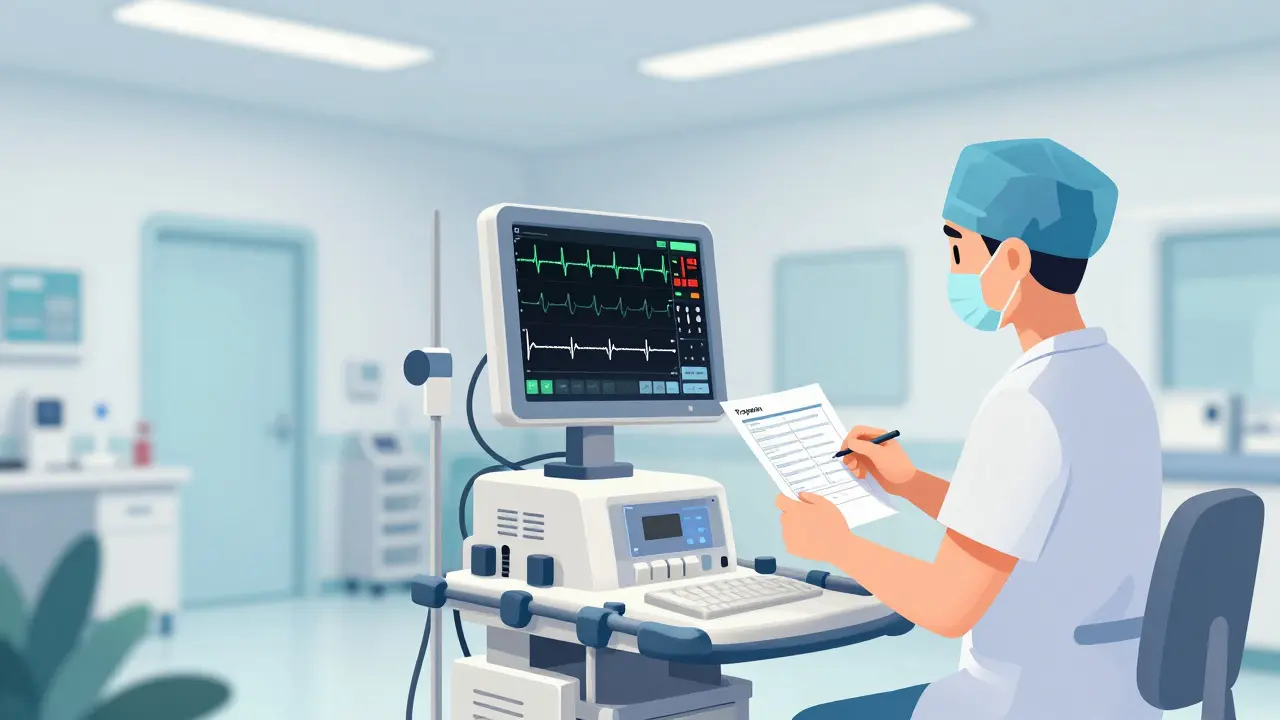
Once you enter the emergency department, the clock starts. Medical teams follow a strict protocol to rule out the most dangerous causes of pain. The first and most vital tool is the electrocardiogram (ECG). According to the AHA and ACC guidelines, a 12-lead ECG should be performed and interpreted within 10 minutes of your arrival. This test looks for electrical abnormalities that indicate whether a heart artery is completely blocked.
Next, doctors look at your blood. They use high-sensitivity cardiac troponin assays. Troponins are proteins released into the blood when the heart muscle is damaged. By measuring these levels at 0 and 2 hours, doctors can determine if your heart is under stress or if the pain is coming from elsewhere.
| Tool | Primary Purpose | Key Attribute |
|---|---|---|
| 12-Lead ECG | Detects electrical changes/blockages | Must be done within 10 minutes of arrival |
| Troponin Test | Detects heart muscle damage | High-sensitivity versions allow rapid "rule-out" |
| Coronary CT Angiography (CCTA) | Visualizes artery blockages | 95-99% sensitivity for obstructive disease |
| Stress Testing | Evaluates heart under physical load | Used for intermediate risk or CCTA contraindications |
How Doctors Decide Your Risk Level
To avoid unnecessary tests while ensuring no one is sent home during a heart attack, doctors use a system called the HEART score. This is a weighted tool that looks at five specific factors:
- History: How likely does the pain sound like a heart issue?
- ECG: Are there abnormal electrical readings?
- Age: Older patients generally have higher baseline risk.
- Risk Factors: Do you have high blood pressure, smoking history, or diabetes?
- Troponin: Is there evidence of muscle damage in the blood?
Based on this score, you'll fall into one of three categories. High-risk patients often go straight to coronary angiography. Intermediate-risk patients might get a CCTA or a stress test. Low-risk patients can typically be discharged safely with a follow-up appointment with their primary doctor.
Other Possible Culprits
Not all chest pain is a heart attack, but that doesn't mean it's harmless. Some emergencies look very similar to cardiac events. For instance, a pulmonary embolism (a blood clot in the lung) can cause sharp, pleuritic chest pain and shortness of breath. If you have swelling in one leg or recently had surgery, this becomes a major suspect.
There is also something called INOCA (Ischemia with Non-Obstructive Coronary Arteries). This occurs when your arteries aren't blocked by plaque, but they still can't get enough blood to the heart muscle. It accounts for about 5-10% of chest pain cases and often requires specialized testing because standard stress tests might miss it.
A Quick Guide for Decision Making
If you are currently experiencing discomfort, use this general rule of thumb to decide your next move:
- Call 911/Emergency Services immediately if: The pain is new, severe, feels like pressure, is accompanied by a cold sweat, or radiates to your jaw or left arm.
- Contact your doctor today if: You have a history of stable angina and the pain feels familiar but is happening slightly more often than usual.
- Schedule a routine check-up if: You have mild chest discomfort that only happens during heavy exercise and disappears immediately when you stop.
Can I just drive myself to the ER for chest pain?
It is strongly discouraged. Driving yourself increases the risk of adverse events by 25-30%. Emergency Medical Services (EMS) can begin the evaluation, perform a pre-hospital ECG, and alert the hospital's reperfusion team, potentially saving critical minutes.
What is the difference between stable and unstable angina?
Stable angina is predictable and usually happens during exertion, stopping when you rest. Unstable angina is unpredictable, happens more frequently, or occurs while you are resting. Unstable angina is a medical emergency and requires immediate evaluation.
How accurate are troponin tests?
High-sensitivity troponin assays are extremely accurate. They can safely rule out a myocardial infarction in 70-80% of patients within just 1 to 2 hours, allowing the medical team to quickly determine if you need admission or can go home.
What if my ECG is normal but I still feel pain?
A normal initial ECG doesn't always mean you are in the clear. Some heart attacks don't show up immediately on an ECG. This is why doctors perform serial ECGs (every 15-30 minutes) and serial troponin tests to catch changes as they happen.
What is the HEART score and why does it matter?
The HEART score is a risk-stratification tool based on History, ECG, Age, Risk factors, and Troponin. It helps doctors categorize patients as low, intermediate, or high risk, ensuring that high-risk patients get immediate invasive treatment while low-risk patients avoid unnecessary radiation or invasive procedures.





12 Comments
This is such a helpful breakdown of a terrifying situation. I think emphasizing the non-classic symptoms for women is absolutely vital because so many of us have been dismissed by doctors in the past for not having that "elephant on the chest" feeling. Just seeing the list of red flags laid out like this can save a life. I really hope people take the advice about calling EMS instead of driving themselves, as the fear of a hospital bill often outweighs the fear of the event itself until it's too late.
Too much hand-holding. Just call 911.
The whole concept of "emergency" is just a societal construct to make us feel rushed. We spend our lives avoiding death, then act shocked when a heart stops. It's a paradox of the human condition to fear the very thing that defines our existence. Also, the formatting of that table is a bit lazy.
Funny how they mention high-sensitivity troponins but don't mention who funds these guidelines. The pharmaceutical complex loves pushing these rapid tests to keep the ERs revolving. They want you terrified so you'll agree to an invasive angiography the moment your HEART score hits a certain number. It is all about the profit margin of the medical industry, not your health. These "red flags" are just a way to categorize us into data points for their studies.
I find the insistence on calling emergency services rather tedious. One might argue that in certain urban environments, a quick drive to a reputable facility is far more efficient than waiting for a dispatch system that is notoriously understaffed. It is simply a matter of logistics, yet the author treats it as an absolute moral imperative.
Imagine living in a country where you actually have an ER that works! 🙄 In the US, we have the best tech in the world, but you'll be sitting in that waiting room for six hours while your troponins leak into the floor. Absolute joke of a system! 💅✨
The lack of mention regarding anxiety-induced chest pain is... glaring!!! Every single mother I know has had a panic attack that felt exactly like this!!! Why is the medical community so obsessed with the heart and so dismissive of the mind??? It's just... typical!!!
This info is okay but Indian hospitals do it better and cheaper! 🇮🇳 Why follow USA guidelines when our doctors are the smartest in the world? Stop copying everything from the West! 🚩💪
It is very important to stay calm during these moments. While we have different healthcare systems across the globe, the goal is always the same: saving a life. Please be kind to the ER staff, as they are doing their best under immense pressure.
I MUST INSIST THAT EVERY INDIVIDUAL READS THIS CAREFULLY! YOU CANNOT AFFORD TO BE LAZY WITH YOUR HEALTH! GET YOUR CHECKUPS NOW OR FACE THE CONSEQUENCES! IT IS AN ABSOLUTE REQUIREMENT FOR A PRODUCTIVE LIFE!
I absolutely agree that we must be aggressive in our approach to preventative care! Do not wait for the symptoms to become severe! You must take control of your heart health with an iron will! It is the only way to ensure a long and healthy life!
The HEART score is a fascinating example of how we attempt to quantify suffering and risk into a numerical value. It reduces the complexity of a human crisis into a set of variables. While clinically efficient, it reflects our modern obsession with data over the intuitive experience of the patient. Still, the pragmatic value of the 10-minute ECG window is an impressive feat of systemic coordination when it actually works as intended.