Drug Labeling Impact Simulator
How it works: Select a safety update scenario below to see how the distribution of critical information differs between traditional paper inserts and dynamic QR labeling.
Patient Experience:
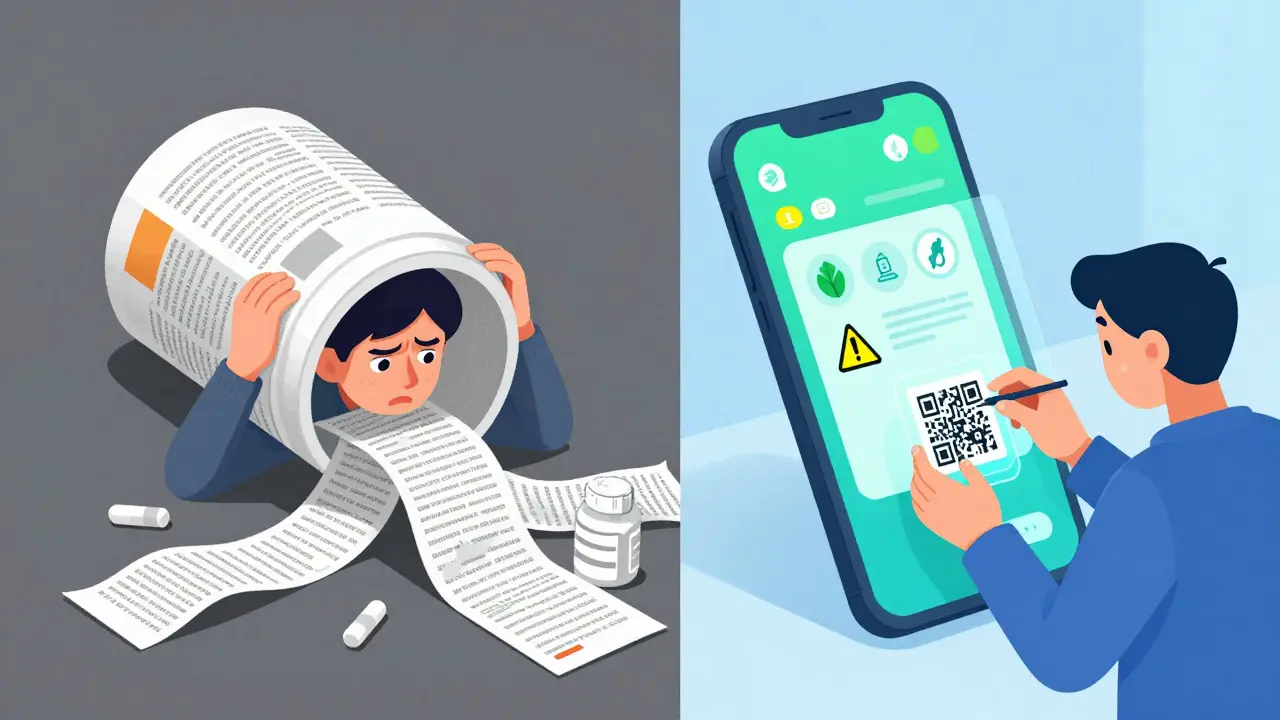
Patient relies on pharmacy calls or waits for new packaging to be shipped globally.
Patient Experience:
Patient scans code and immediately sees the latest FDA/EMA approved safety update.
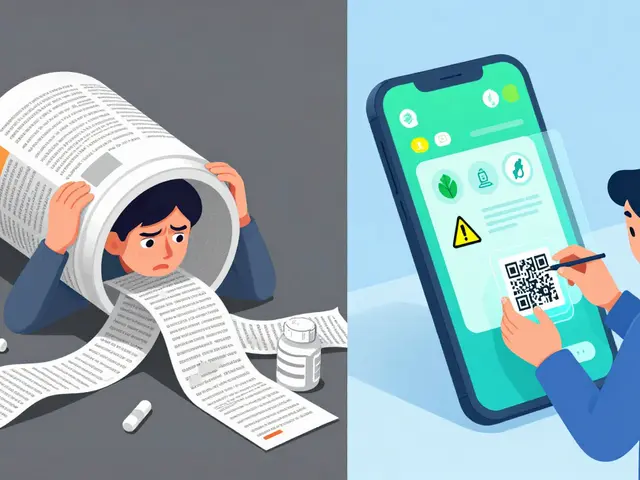
The Problem with Paper Inserts
Traditional drug labels are frozen in time the moment they leave the printing press. If a regulatory agency issues a new warning, the physical label on your shelf remains outdated. This lag is dangerous. In a single decade, about 225 black box warnings were issued worldwide. These are the most serious warnings required by the FDA and other agencies to alert the public to serious risks. Waiting for a physical label update creates a dangerous window of risk. By moving the core safety information to a digital platform, companies can implement a 90-day cascade model. This means safety updates can reach global markets in a fraction of the time it would take to redesign, print, and ship millions of new paper leaflets.How Dynamic QR Codes Work in Pharma
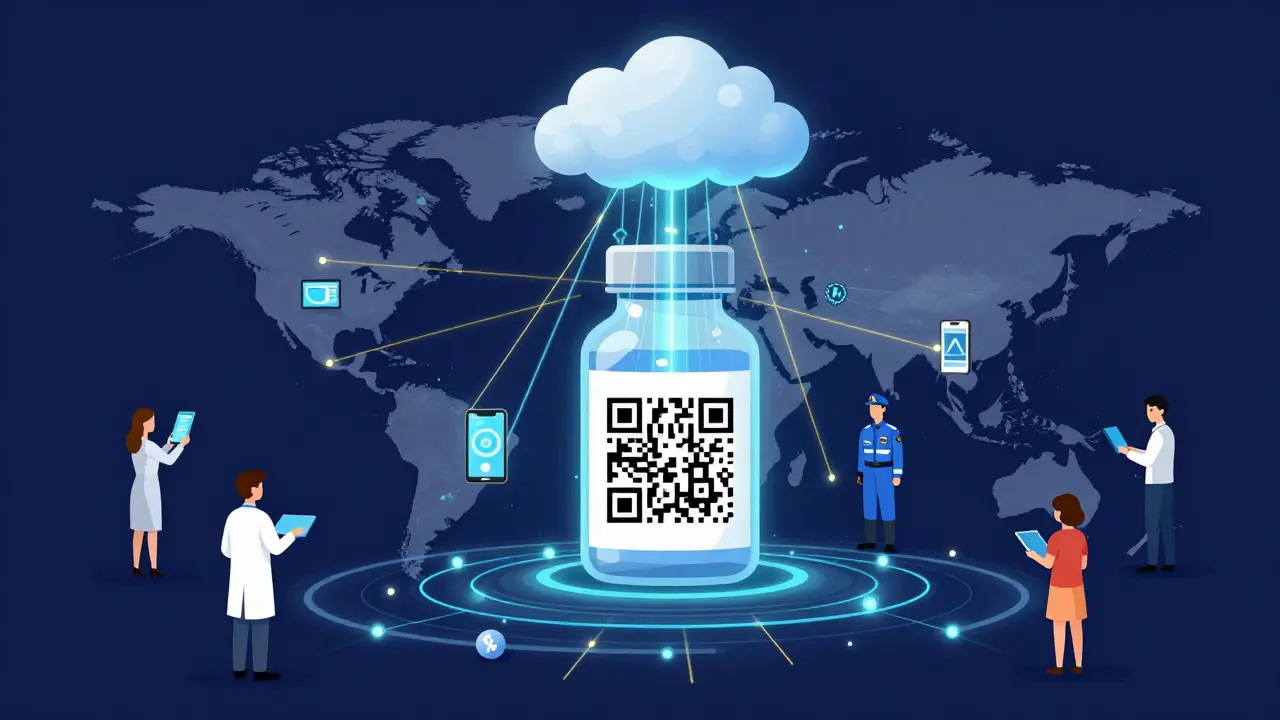
Not all QR codes are created equal. Most pharmacies and drug makers use Dynamic QR Codes. Unlike a static code-which points to a single, unchanging URL-a dynamic code allows the manufacturer to change the destination content without changing the code itself. This technical setup usually involves several layers:- Secure Cloud Hosting: The medication data lives on a secure server, ensuring that the information is always available and hosted by the official manufacturer.
- Pharmacovigilance Integration: The systems are connected via APIs to safety databases, meaning as soon as a side effect is confirmed and approved, the digital leaflet can be updated.
- Audit Trails: Because these systems are digital, companies can track scan logs. They know when information was accessed, which helps in proving regulatory compliance.
Impact on Medication Errors and Emergency Care
When a patient or a first responder is in a rush, reading a tiny, folded-up piece of paper is the last thing they want to do. Digital labeling streamlines this. For example, emergency responders have used these codes to rapidly retrieve administration instructions, which can be the difference between a successful intervention and a critical error. Beyond emergencies, these tools help with daily adherence. One hospital reported that using QR codes on discharge medications improved patient comprehension of complex drug regimens by about 40%. When a patient can scan a code and see a clear, updated video or a simplified list of instructions on their phone, they are far less likely to take the wrong dose.| Feature | Traditional Paper Label | Dynamic QR Labeling |
|---|---|---|
| Update Speed | Months (Printing/Shipping) | Real-time/Instant |
| Space Constraints | Very limited (Tiny font) | Unlimited (Web-based) |
| Accuracy | Prone to outdated info | Always current |
| Traceability | Lot numbers only | Digital scan logs & verification |
| Patient Access | Physical only | Smartphone/Tablet access |
The Global Regulatory Landscape
Different countries are adopting this at different speeds. Spain was a pioneer in 2021, allowing QR codes to link to product technical specifications. The UK followed suit more recently; by 2024, the Association of the British Pharmaceutical Industry (ABPI) updated its Code of Practice to officially permit QR codes in promotional and prescribing materials. In the United States, the shift is happening in pockets. Military pharmacies began replacing printed drug information with QR codes as early as 2022. Meanwhile, the European Federation of Pharmaceutical Industries and Associations (EFPIA) provides the overarching guidelines that help other European nations standardize how these codes are used so a patient in Germany can understand a label from France.The Digital Divide: Who Gets Left Behind?
Despite the benefits, we can't ignore the "digital equity" problem. Not everyone has the latest iPhone or a reliable 5G connection. Elderly patients, in particular, often struggle with the technology. Reports from rural clinics show that up to 60% of elderly patients may struggle to access QR-based information due to device limitations or a lack of technical confidence. To prevent a two-tier safety system, the industry is moving toward a hybrid approach. This means keeping a basic printed summary on the box while offering the QR code for deeper, real-time details. Pharmacists also play a huge role here; many now use the electronic patient information leaflets (ePILs) to counsel patients directly, ensuring the person gets the info even if they can't scan the code themselves.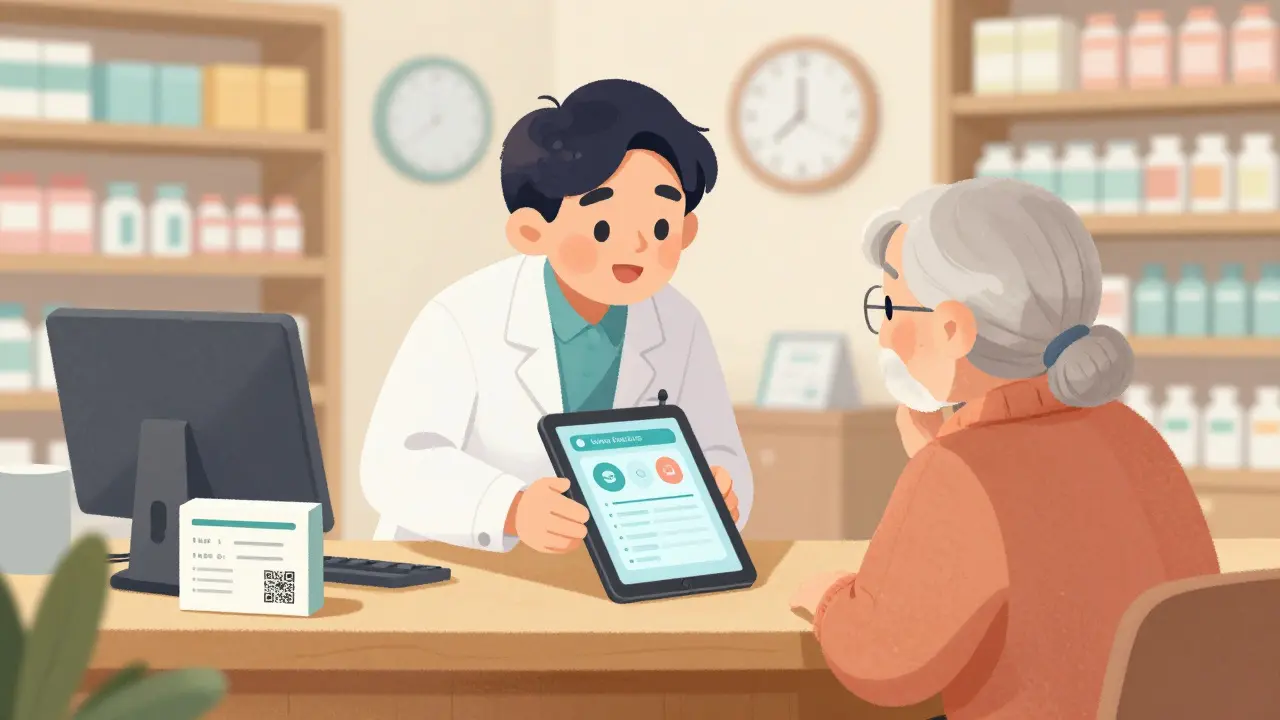
Future Trends: AI and Beyond
We are moving toward a world where the drug label is just the starting point. By 2025 and 2026, we expect to see deeper integration with Artificial Intelligence. AI can help detect safety signals faster, which then triggers an automatic update to the QR code's landing page. We are also seeing the rise of medication management apps. Instead of just a website, a QR code might link to a personalized tool that reminds you when to take your pill, tracks your side effects, and sends that data directly to your doctor's electronic health record. The label is becoming a gateway to a full care ecosystem rather than just a piece of plastic with some text on it.Are QR codes on medicine labels safe from hackers?
Pharmaceutical companies use encryption and secure cloud hosting to prevent tampering. Most professional systems use authenticated databases that verify the product's lot number and expiration date to ensure you aren't being directed to a counterfeit site.
What happens if I don't have a smartphone?
Most regulations require a hybrid approach. This means a basic printed insert is still provided. Additionally, your pharmacist can scan the code for you and provide the most updated safety information during your consultation.
Can QR codes help prevent counterfeit drugs?
Yes. By linking the physical bottle to a unique digital identity in the manufacturer's database, QR codes allow pharmacies and patients to verify that the specific batch of medication is legitimate and hasn't been diverted or faked.
How quickly can a safety warning be updated via QR code?
Once a regulatory agency approves a change, the digital update can happen almost instantly across all connected labels globally. This is far faster than the traditional months-long process of re-printing and distributing paper inserts.
Do these QR codes track my personal health data?
Generally, scanning a safety QR code is a one-way street-you are accessing information provided by the company. However, if the code leads you to a patient app, that app will follow privacy laws like GDPR or HIPAA to protect your personal data.