Imagine spending three years and millions of dollars fighting a legal battle to bring a cheaper version of a life-saving drug to market, only to find out the original brand-name company just launched their own "generic" version the very same day you did. This isn't a hypothetical nightmare; it's a common tactical move in the U.S. pharmaceutical industry. The battle between the authorized generics and the first traditional generic is a high-stakes game of timing that decides who makes millions and how much patients actually save.
To understand this, we have to look at how drugs actually enter the market. When a brand-name drug's patent expires or is successfully challenged, a race begins. The winner of this race is usually the "first generic," but the brand company often has a secret weapon that allows them to bypass the usual rules of competition.
The First Generic: The High-Risk Pioneer
First Generic is the initial generic manufacturer to receive FDA approval after successfully challenging a brand-name drug's patent through an Abbreviated New Drug Application (ANDA).
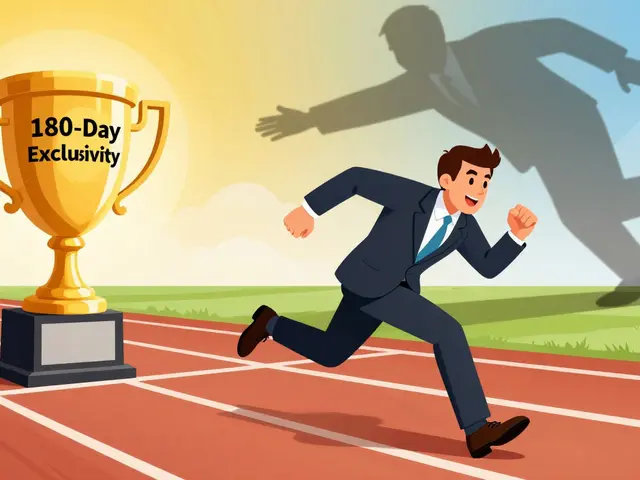
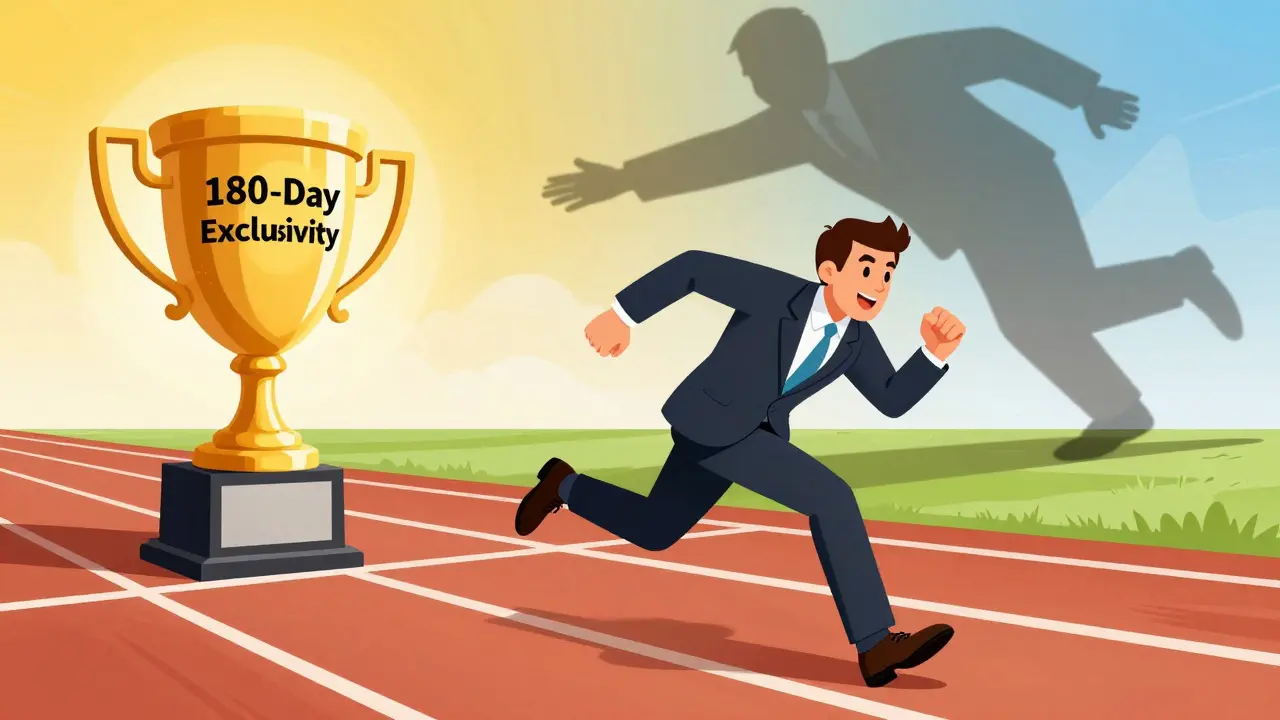
Being first isn't just about bragging rights; it's about the 180-day exclusivity window. Established by the Hatch-Waxman Act of 1984, this rule gives the first successful generic challenger a six-month period where no other traditional generics can enter the market. This was designed to reward companies for the risk and cost of suing big pharma giants.
For a generic company, this window is a goldmine. They typically invest between $5 million and $10 million in litigation and regulatory prep. If everything goes right, they can capture 70% to 90% of the market share almost overnight, generating hundreds of millions in revenue before the rest of the generic pack arrives.
The Authorized Generic: The Brand's Tactical Pivot
Now, enter the Authorized Generic, which is a version of a brand-name drug that is marketed as a generic but is produced by the original manufacturer or a partner they authorize.
Here is the trick: authorized generics don't need a separate ANDA approval. Because they are identical to the brand-name drug-often made in the same factory with the same recipe-they simply leverage the existing New Drug Application (NDA). This means they can hit the market whenever the brand company feels like it, even during that "exclusive" 180-day window.
Why would a brand company do this? It's about damage control. By launching an authorized generic, the brand company can keep a slice of the generic market for themselves, keeping prices slightly higher and eating into the first generic's profits.
Timing the Market Entry: A Game of Seconds
The timing of these launches is rarely accidental. Research from 2010 to 2019 shows a startling pattern: 73% of authorized generic launches happened within 90 days of the first traditional generic's approval. Even more aggressive? 41% launched on the exact same day.
Take the case of Lyrica (pregabalin). When Teva launched the first generic version in July 2019, Pfizer didn't wait. They immediately released their own authorized generic through Greenstone LLC. Within weeks, Pfizer grabbed about 30% of the generic market, significantly slashing the revenue Teva expected to make during its exclusivity period.
| Attribute | First Generic | Authorized Generic |
|---|---|---|
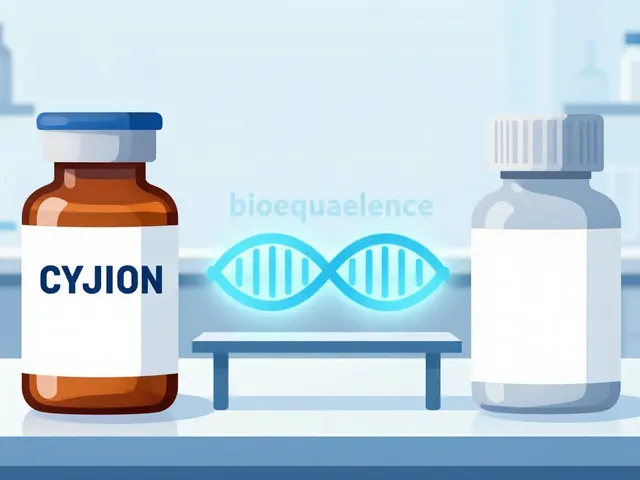
| Regulatory Path | ANDA (Bioequivalence needed) | Existing NDA (No new data needed) |
| Market Entry Timing | After FDA approval/Patent end | Any time (often simultaneous with first generic) |
| Exclusivity Right | 180 days of marketing exclusivity | None (uses brand authority) |
| Investment Cost | High ($5M - $10M + Legal) | Low (Leverages existing production) |
| Typical Market Share | 80% (without competition) | Varies (Used to fragment the market) |
How This Affects Your Wallet and the Healthcare System
You might think more generics always mean lower prices, but the "authorized" twist complicates things. When a first generic enters alone, prices usually plummet by 80% to 90%. However, when a brand company throws an authorized generic into the mix during the exclusivity window, the price drop is often muted, averaging only 65% to 75% according to RAND Corporation data.
Essentially, this creates a duopoly. The brand company and the first generic manufacturer split the market, and the lack of true, open competition means the healthcare system loses billions in potential savings. Public health researchers argue this completely undermines the spirit of the Hatch-Waxman Act, which was meant to spur aggressive competition to lower drug costs.
The Regulatory Tug-of-War
The FDA is caught in the middle. While they've sped up approvals under the Generic Drug User Fee Amendments (GDUFA), the system is still slow compared to the speed of a brand company's decision. A first generic might wait 10 months or even years for a review, while a brand company can decide to launch an authorized generic in a matter of days.
Even the law is starting to recognize that these two aren't the same. The Inflation Reduction Act of 2022 explicitly states that authorized generics aren't considered "generic competitors" for the purpose of Medicare drug price negotiations. This is a major admission that authorized generics are more of a brand-protection strategy than a true effort to provide cheap medicine.
The Future: Dual-Path Strategies
The landscape is changing. Industry analysts suggest authorized generics will make up nearly 30% of all generic prescriptions by 2027. For generic manufacturers, the "golden window" of profitability has shrunk from six months to just 45 to 60 days.
To survive, generic companies are moving toward "dual-path" strategies. This means they no longer just rely on being the first to file; they are diversifying their portfolios and accelerating their launch capabilities to fight back against brand-name countermeasures. They are playing a game of speed and scale to ensure that even if a brand company launches an authorized version, the traditional generic can still capture enough share to justify the initial million-dollar gamble.
What exactly is the 180-day exclusivity period?
It is a reward given to the first generic company that successfully challenges a brand-name drug's patent. For 180 days, they are the only generic version available on the market, allowing them to recoup the high costs of legal battles and development.
Why don't authorized generics need an ANDA?
Because an authorized generic is essentially the brand-name drug sold in a different package. Since the brand company already has an approved New Drug Application (NDA) for the original product, they don't need to prove bioequivalence-the drug is already proven to work because it is the same formula.
Do authorized generics lower the price for patients?
Yes, they are cheaper than the original brand-name drug. However, they often prevent the price from dropping as far as it would if only traditional generics were competing. This results in a smaller overall saving for the healthcare system.
Which drug categories see this the most?
Cardiovascular drugs (about 32% of cases), central nervous system medications (24%), and metabolic disorder drugs (18%) are the most common battlegrounds for authorized generic strategies.
How does the Inflation Reduction Act affect this?
The Act clarifies that authorized generics are not true generic competitors. This is important for Medicare price negotiations because it prevents brand companies from using their own authorized generics to manipulate the perceived level of competition in a market.