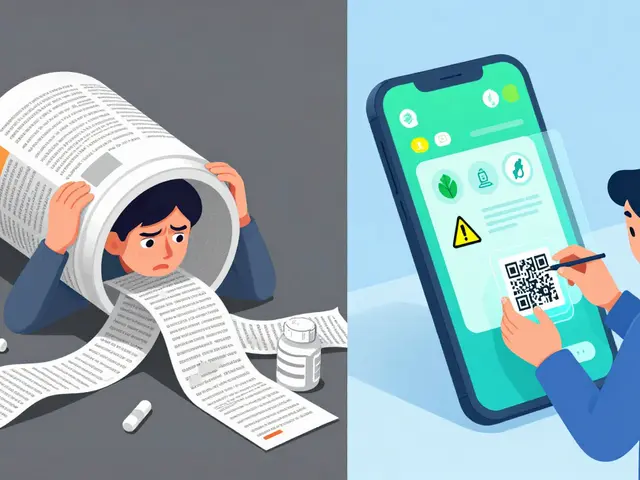
You just picked up a bottle of liquid medicine for your child, and you're wondering if it needs to go in the fridge or if the kitchen counter is fine. It seems like a small detail, but how you handle those first few days of treatment can be the difference between a quick recovery and a lingering infection. When a pharmacist mixes a powder into a liquid-a process called reconstitution-they are essentially starting a countdown clock on the drug's potency.
The core problem is that liquid antibiotics storage isn't one-size-fits-all. Some medications break down rapidly at room temperature, while others can actually be damaged by the cold. If the chemistry of the drug shifts because of heat or light, the medicine may not be strong enough to kill the bacteria, which means the infection stays in the body longer. To get the best results, you need to know exactly which storage rule applies to your specific prescription.
Quick Guide: Storage Rules at a Glance
Before getting into the weeds, here is a fast way to determine where your medication should live. Always check the label first, as that is the final word for your specific batch.
| Medication Type | Primary Storage | Temperature Range | Common Warning |
|---|---|---|---|
| Penicillin-based (Many) | Refrigerator | 2°C to 8°C (36°F to 46°F) | Do not freeze |
| Amoxicillin Suspension | Fridge (Preferred) | 20°C to 25°C (Room Temp OK) | Discard after 14 days |
| Specific Non-Fridge Types | Cool, Dry Place | 15°C to 25°C | Refrigeration may break it down |
Understanding the Reconstitution Process
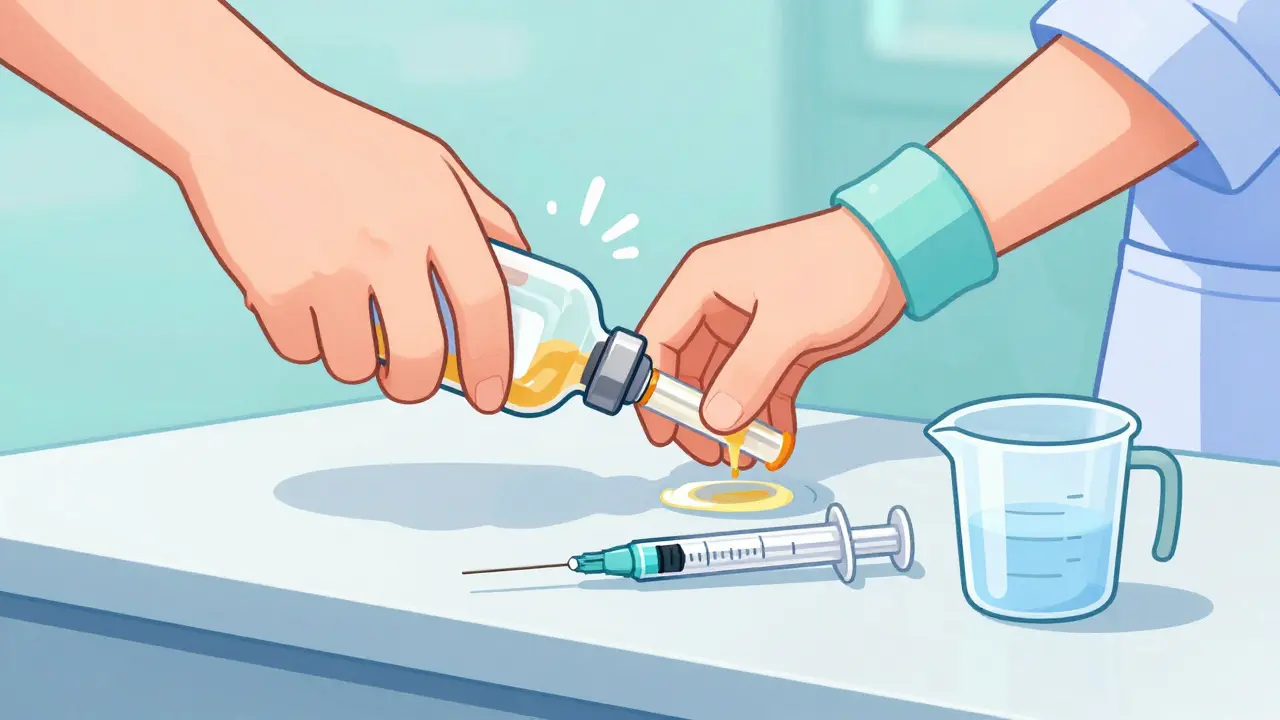
Most liquid antibiotics don't start as liquids. They are manufactured as a dry powder because the active ingredients are often unstable when mixed with water for long periods. When the pharmacist adds sterile water, they create a Reconstituted Suspension, which is a mixture where the drug particles are suspended in a liquid rather than fully dissolved.
Once that water is added, the chemical clock starts ticking. The FDA explains that expiration dates for these liquids reflect the window where the product retains its strength, quality, and purity. If you store a refrigerated drug on a sunny windowsill, you are effectively speeding up that clock, and the medicine may expire long before the date printed on the bottle.
The Temperature Tug-of-War: Fridge vs. Room Temp
It's a common mistake to assume all liquids go in the fridge. While many penicillin-type drugs require a cold environment to stay stable, some formulations are actually compromised by refrigeration. Pharmacists have noted that chilling certain antibiotics can cause the medication to break down, making it less effective at fighting the infection.
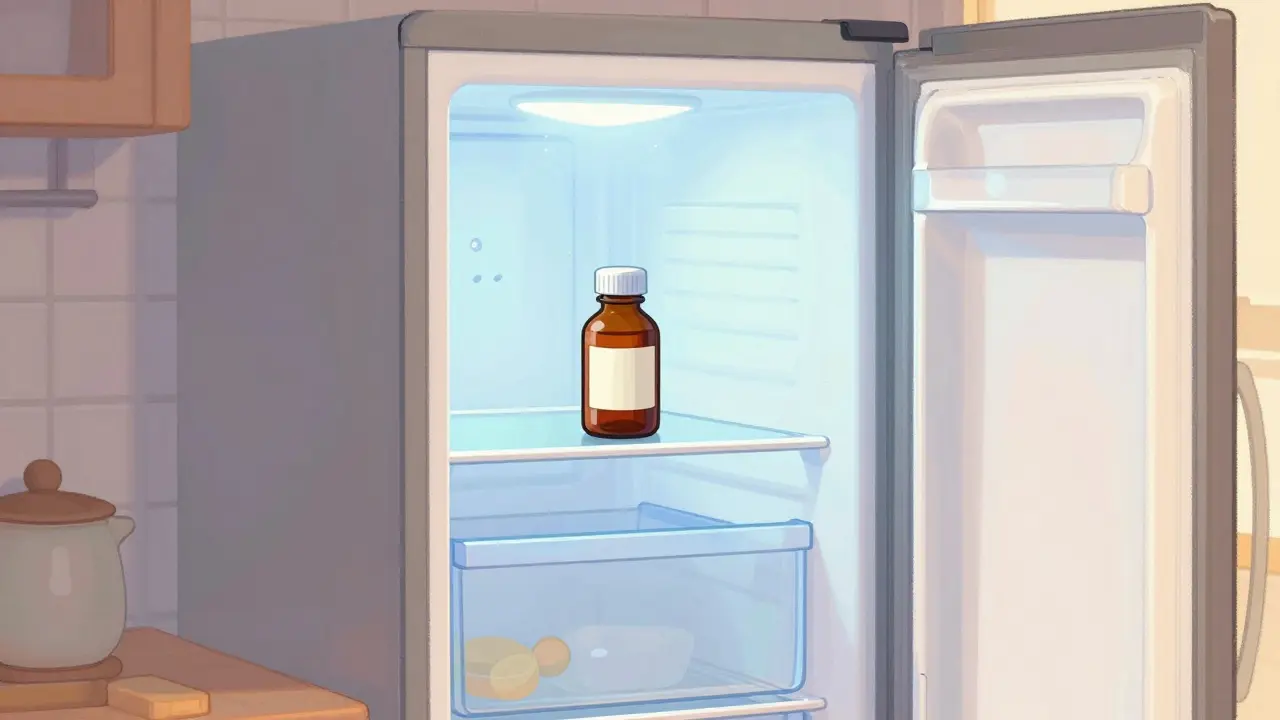
If your medication requires refrigeration, keep it in the main body of the fridge. Avoid the crisper drawer (which can be too cold) or the door (where the temperature fluctuates every time you open it). If you are in a pinch and don't have a fridge, some drugs like amoxicillin can survive at room temperature (between 20 and 25°C), but this often shortens the window of time the drug remains potent.
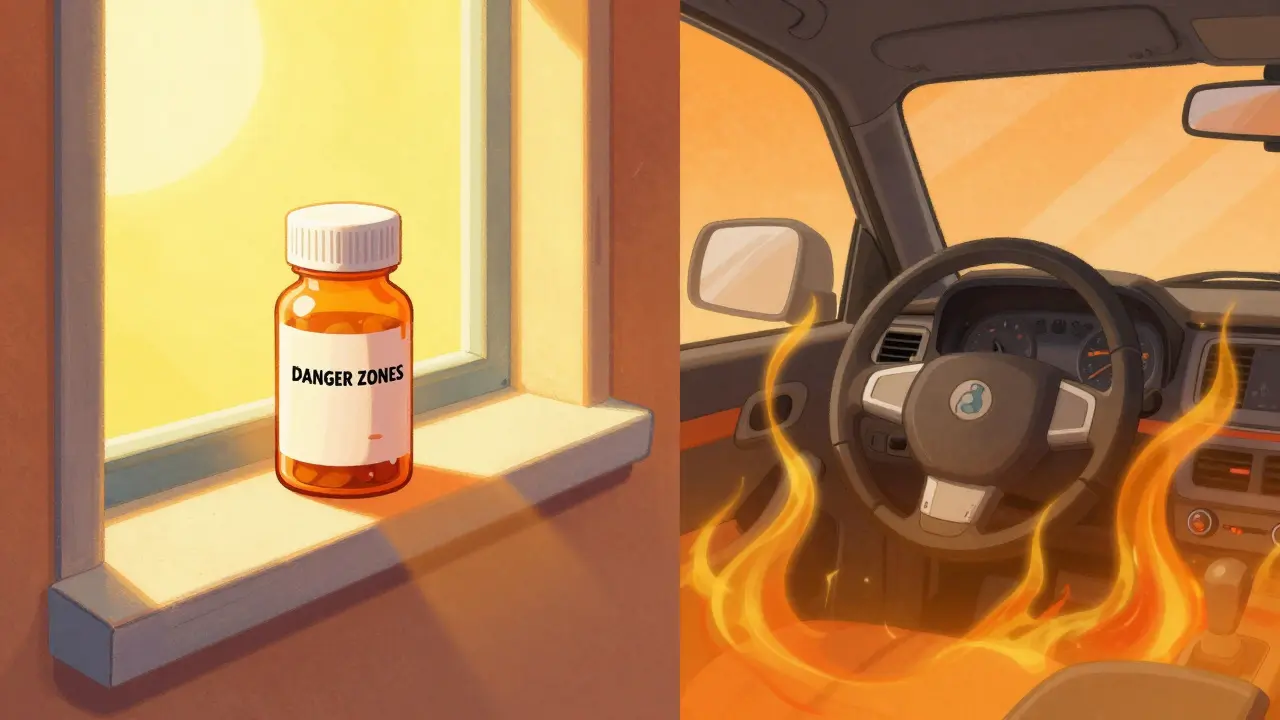
Avoid these "danger zones" for storage:
- The Windowsill: Direct sunlight can degrade the chemical bonds of the antibiotic.
- The Car: A car interior can reach extreme heats in the summer or freezing temperatures in the winter, both of which can ruin the medication.
- The Freezer: Never freeze a liquid antibiotic. Freezing can change the physical structure of the drug, rendering it useless.
Managing the Clock: Beyond-Use Dates
A "Beyond-Use Date" (BUD) is different from the manufacturer's expiration date. The BUD is the date after which a reconstituted drug should be thrown away, regardless of how much is left in the bottle. For many reconstituted suspensions, this is between 7 and 14 days.
There is a nuance with combination drugs. For example, in an amoxicillin and clavulanate mixture, the amoxicillin part is generally more stable than the clavulanate potassium. If the drug is left at room temperature too long, the clavulanate may degrade while the amoxicillin remains, meaning the medicine no longer has the "full strength" needed to fight resistant bacteria. This is why sticking to the 10- or 14-day discard rule is non-negotiable.
Practical Tips for Dosing and Administration
Proper storage is only half the battle; you also have to ensure the drug is delivered correctly. Because these are suspensions, the medicine settles at the bottom of the bottle over time.
Follow these steps for every dose:
- Shake well: Always shake the bottle vigorously before pouring. If you don't, the first few doses will be too weak and the last few will be dangerously concentrated.
- Use the right tool: Never use a household kitchen spoon. They vary wildly in size and are inaccurate. Use the oral syringe, dropper, or measuring cup provided by the pharmacy.
- Consistency is key: Try to give the dose at the same time every day to keep a steady level of the antibiotic in the bloodstream.
- Stomach check: If the liquid makes your child nauseous, try giving it with food, unless the label specifically says to take it on an empty stomach.
Traveling with Liquid Antibiotics
Traveling with temperature-sensitive meds can be stressful. If you're heading on a road trip or flight, don't just toss the bottle in a carry-on bag. Use an insulated travel pouch or a small cooler bag with a gel ice pack. This keeps the medicine within that critical 2-8°C range without letting it touch the ice directly, which could freeze the liquid.
If you're unsure how long the medication can survive outside the fridge during a trip, ask your pharmacist for a "stability window." They can tell you if the drug is safe at room temperature for 4 hours or 24 hours, which helps you plan your cooling strategy.
Can I freeze liquid antibiotics to make them last longer?
No. You should never freeze liquid antibiotics. Freezing can alter the chemical composition and physical stability of the suspension, which may make the medication ineffective or unsafe. Stick to the recommended refrigeration temperature of 2-8°C.
What happens if I store my antibiotic at room temperature instead of in the fridge?
It depends on the drug. For some, like certain amoxicillin brands, it may still be effective but for a shorter period. For others, room temperature causes the active ingredients to break down quickly, meaning the infection might not be fully cleared, potentially leading to a relapse or antibiotic resistance.
Why do I have to throw away unused liquid antibiotics?
Reconstituted liquids have a very short shelf life. Once the powder is mixed with water, the chemical stability drops. Using the drug past the 10- or 14-day mark means you might be giving a dose that is too weak to work. Additionally, you should always finish the full course prescribed to prevent bacteria from becoming resistant.
Is it okay to store the medicine in the bathroom cabinet?
Generally, no. Bathrooms are often the most humid and temperature-variable rooms in the house due to showers and steam. Humidity and heat accelerate the deterioration of liquid medications. A cool, dry place-or the refrigerator if specified-is always better.
How do I know if my liquid antibiotic has gone bad?
Check for unusual changes in color, a strong or strange smell, or unexpected clumping that doesn't go away after shaking. However, many drugs lose potency without any visible change. The only reliable way to know is to follow the expiration and beyond-use dates provided by your pharmacist.
Next Steps for Caregivers
If you've accidentally left your medication out overnight, don't panic, but don't ignore it. Call your pharmacist and tell them the specific drug name and how long it was at room temperature. They can tell you if the batch is still safe to use or if you need a replacement.
For those managing multiple medications, a simple checklist on the fridge can help you track exactly when the liquid was mixed and when it must be discarded. This removes the guesswork and ensures your family is getting the full therapeutic benefit of the treatment.