Author: Lesley Williams
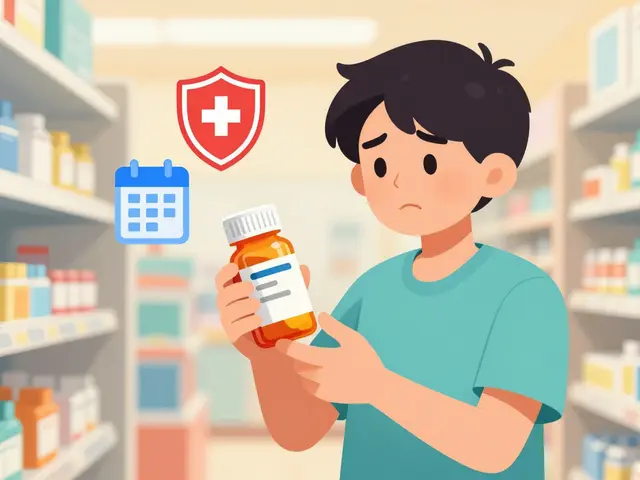
Refill-By Dates vs. Expiration Dates on Prescription Labels: A Clear Guide
Confused by the dates on your medicine bottle? Learn the critical difference between Expiration Dates and Refill-By Dates to ensure safety and avoid treatment gaps.
read more
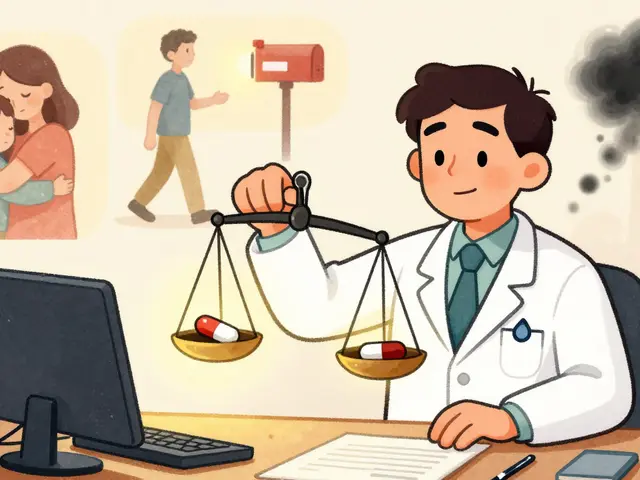
Why Healthcare Providers Weigh Risks vs Benefits of Medications
Healthcare providers don't just prescribe drugs-they weigh whether the benefits truly outweigh the risks. From life-saving cancer treatments to everyday blood pressure meds, understanding this balance helps you make smarter choices about your health.
read more
Managing Therapeutic Equivalents in Combination Drugs: Dose Considerations and Practical Risks
Managing therapeutic equivalence in combination drugs requires more than matching active ingredients. Dose interactions, formulation differences, and NTI risks can lead to serious errors-even when generics are FDA-approved.
read more
Nerve Blocks and RFA: What You Need to Know About Interventional Pain Procedures
Nerve blocks and radiofrequency ablation (RFA) are key interventional pain procedures that offer long-term relief for chronic pain. Learn how they work, who they help, and why RFA is becoming a standard treatment for back, knee, and neck pain.
read more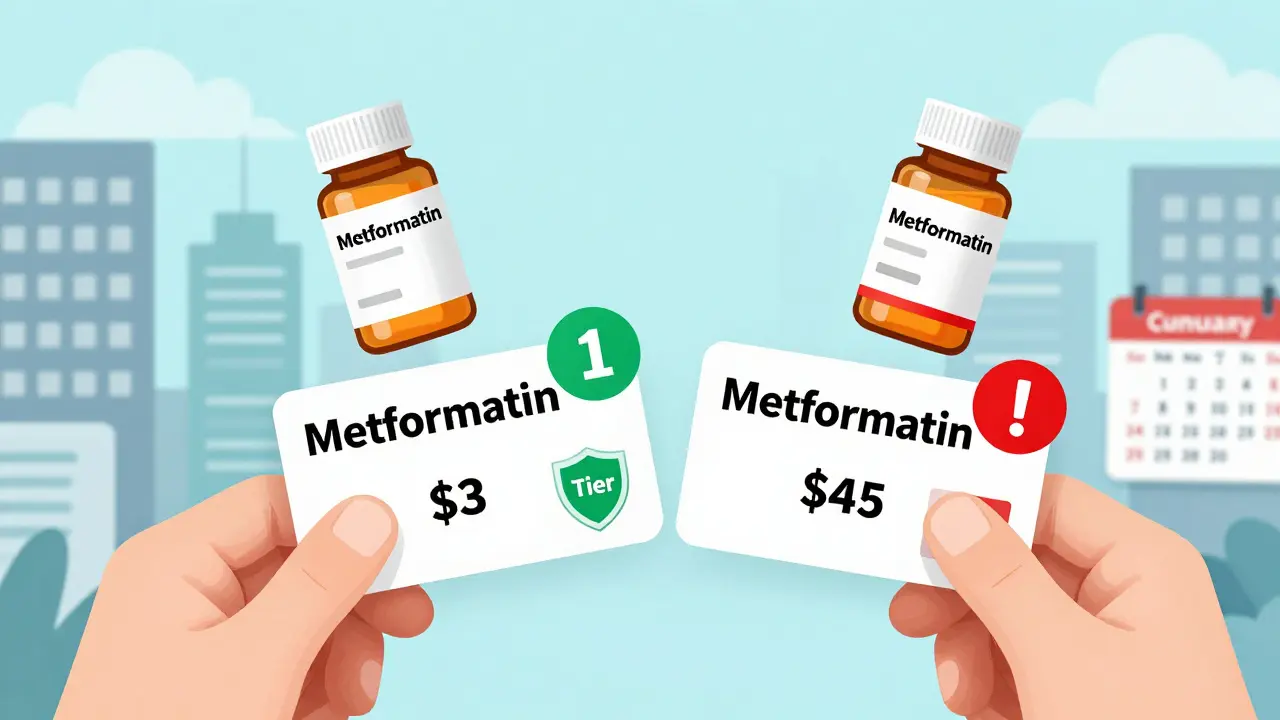
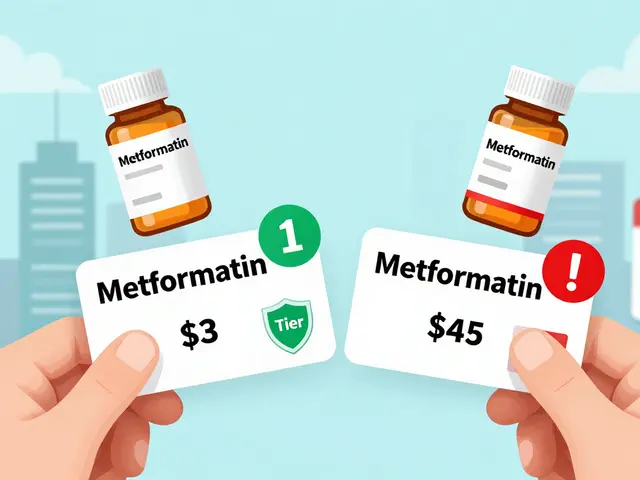
Switching Health Plans? How Generic Drug Coverage Can Save You Hundreds
Switching health plans? Your generic drug costs could spike if you don't check formulary tiers. Learn how tier structures, deductibles, and state rules affect what you pay-and how to avoid costly surprises.
read more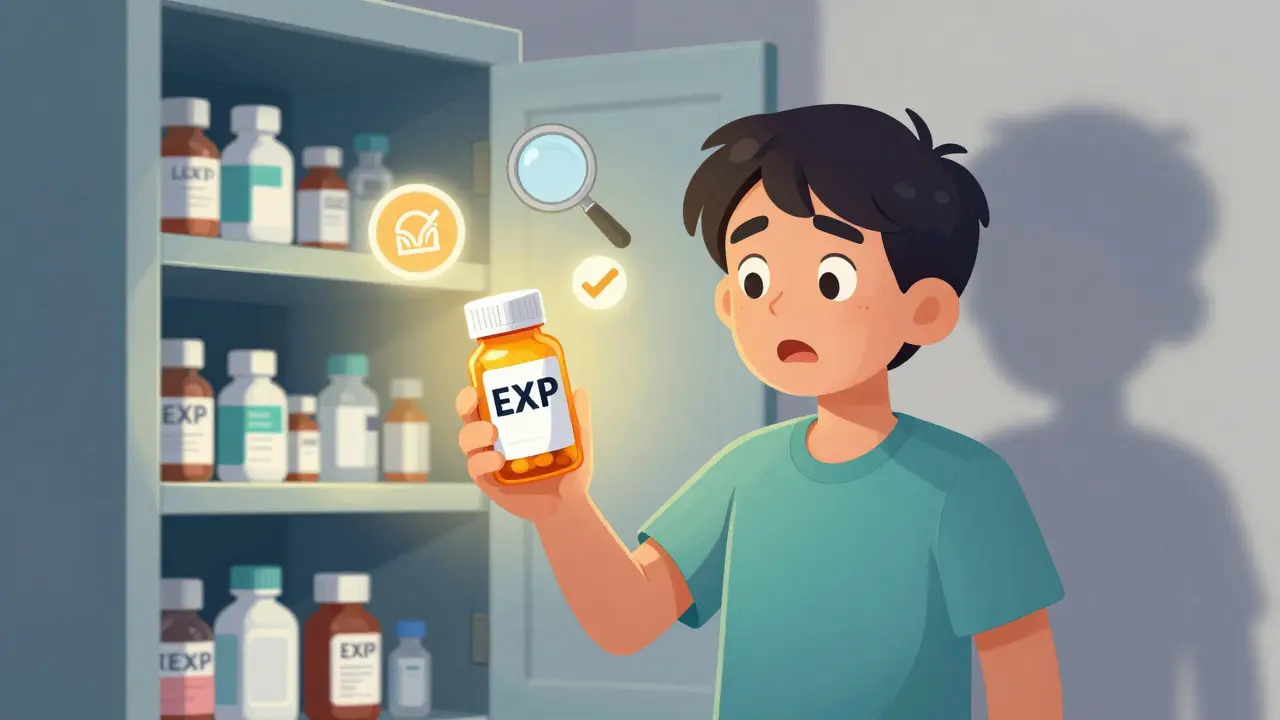
How to Check Lot Numbers and Recalls When Clearing Expired Medications
Learn how to safely clear expired medications by checking expiration dates and verifying lot numbers against FDA recalls. Stop guessing - use the only reliable method that works.
read more
Contamination Controls: Preventing Adulteration in Generic Drugs
Contamination controls in generic drug manufacturing prevent dangerous cross-contamination and ensure patient safety. Learn how cleanrooms, real-time monitoring, and human protocols keep generics safe-and why regulators are cracking down.
read more
Measuring Education Effectiveness: Tracking Generic Understanding in Patient Education
Measuring patient education effectiveness isn’t about surveys or handouts-it’s about seeing if patients can truly apply what they’ve learned. Learn how to track real understanding using simple, evidence-based methods that work in clinics today.
read more
Antiemetics and Serotonergic Drugs: What You Need to Know About Serotonin Syndrome Risk
Antiemetics like ondansetron are commonly used for nausea but can increase serotonin syndrome risk when combined with SSRIs or other serotonergic drugs. Learn the signs, who’s most at risk, and how to stay safe.
read more
Chinese Generic Production: Manufacturing and Quality Concerns
China produces 80% of the world's active pharmaceutical ingredients, offering low-cost generics but raising serious quality concerns. FDA inspections reveal widespread lab failures, data fraud, and inconsistent purity - putting patient safety at risk.
read more