
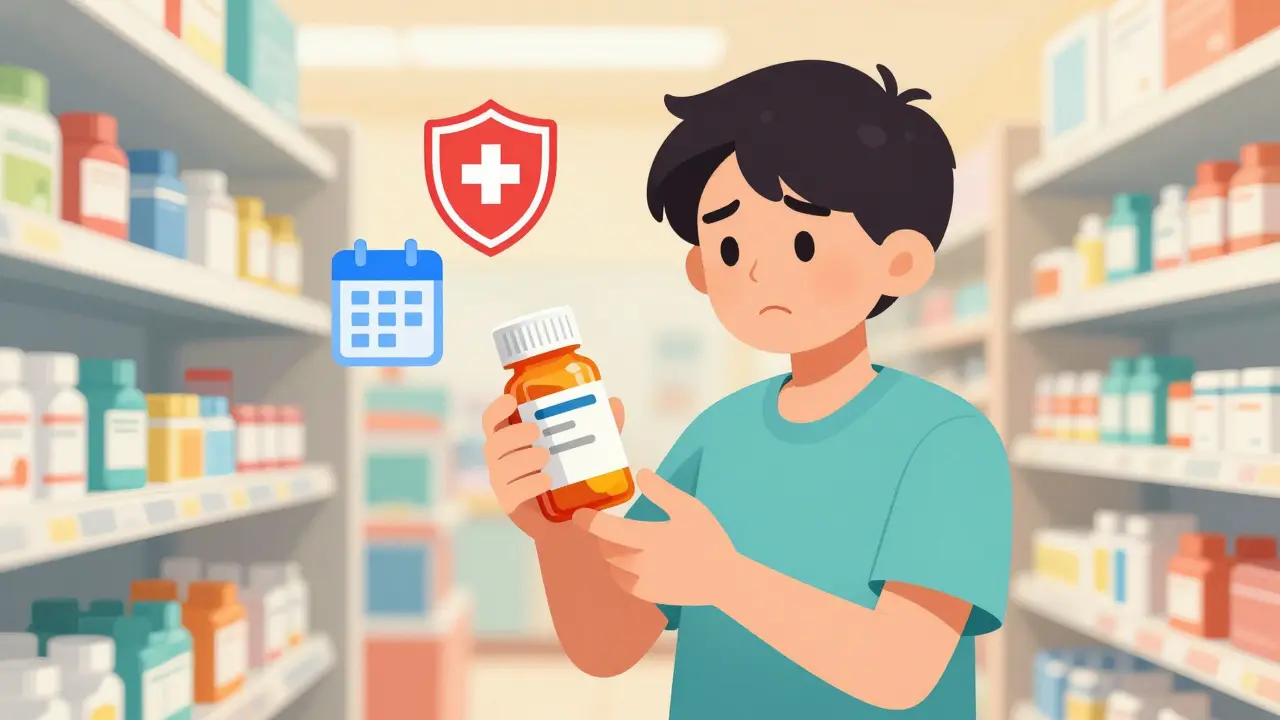
Understanding the Dates on Your Medicine Bottle
If you have ever stared at the label on your prescription bottle and felt confused about which date matters more, you are not alone. It is a common scenario in pharmacies worldwide. Patients often throw away perfectly good medicine because they think it has expired, or worse, they try to use medicine that has actually lost its potency. The two dates that cause the most trouble are the Expiration Date and the Refill-By Date. While they look similar on a piece of paper, they serve completely different purposes. One is about safety and science, while the other is about administration and law. Understanding the difference can save you money, prevent gaps in your treatment, and ensure your medication works as intended.
In the pharmaceutical industry, these dates are not just random numbers printed by a machine. They are the result of strict regulations and scientific testing. For instance, in the United States, the Food and Drug Administration (FDA) defines the Expiration Date as the point after which the medication's potency and safety cannot be guaranteed. This is a hard limit based on stability testing. On the other hand, the Refill-By Date is determined by the prescribing authority and indicates when your authorization to get more refills ends. It is a deadline for action, not a safety warning. As of 2026, with digital health records becoming the norm, these distinctions are clearer than ever, yet confusion remains high among patients.
What the Expiration Date Actually Means
The Expiration Date is the most critical date on your label from a health perspective. It tells you when the chemical stability of the drug ends. When a pharmaceutical company manufactures a medication, they must follow guidelines like the ICH Q1A(R2) to prove the drug stays effective for a certain period. This testing happens under specific storage conditions, usually room temperature or refrigeration. If you store your medicine in a hot car or a humid bathroom, the drug might expire faster than the date says.
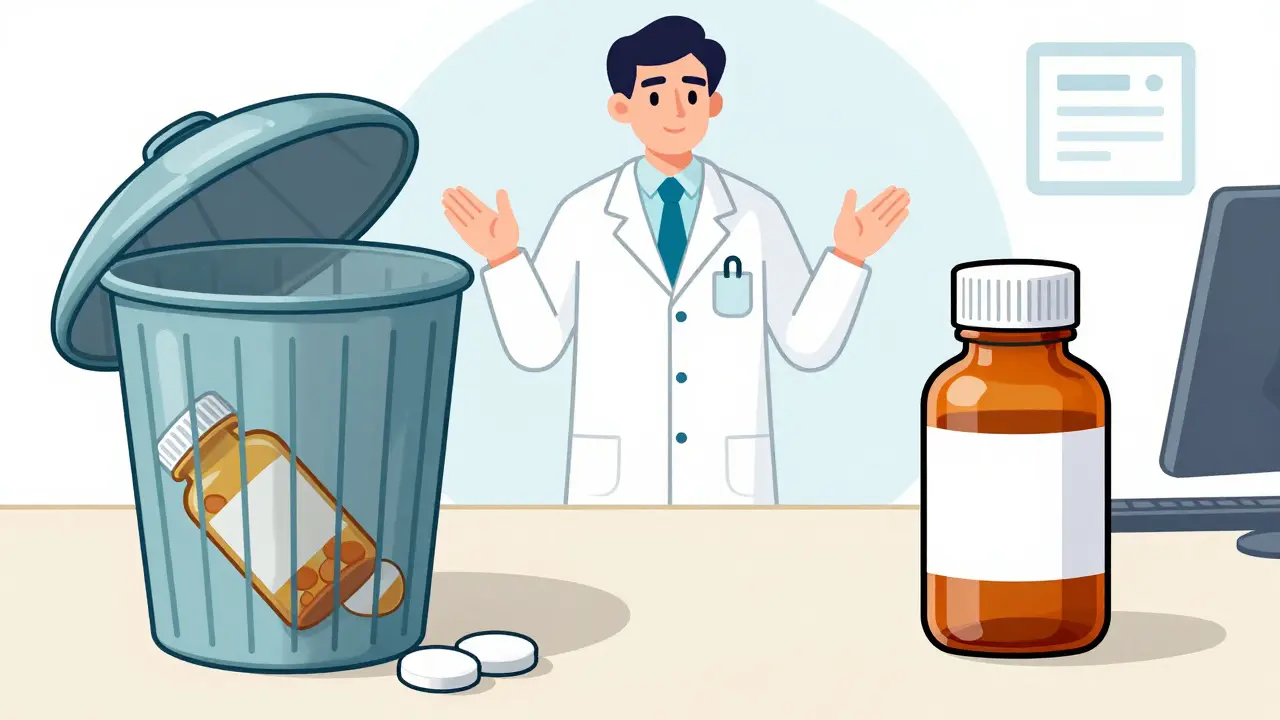
According to data from the American Pharmacists Association, nearly 99% of pharmacies include both the manufacturer's expiration date and a pharmacy-applied date. For non-sterile medications, this is often one year from the day you picked it up. For refrigerated products, it might be just 30 days. This date is absolute. Once this date passes, the FDA mandates that patients should not use the medication. There is a common myth that drugs stay good for years after the date, and while some stability studies show 88% of medications maintain potency beyond this date if stored perfectly, it is illegal and unsafe for a pharmacist to dispense them past this point. Relying on expired medication can lead to treatment failure, which is especially dangerous for life-saving drugs like insulin or antibiotics.
The Role of the Refill-By Date
The Refill-By Date, sometimes called the Refill-Through Date, is an administrative deadline. It does not tell you if the medicine is safe to take. Instead, it tells you how long your prescription is valid for refills. This date is set by the doctor who wrote the prescription and the laws of the state or country where the pharmacy operates. In many cases, the standard convention is that refills expire one year from the original fill date. However, this can change based on the type of drug.
For controlled substances, the rules are much stricter. Under DEA Schedule II regulations in the US, for example, the authorization often expires in just six months. This is to prevent misuse and ensure patients are monitored regularly by their doctors. If you wait until the Refill-By Date has passed to ask for a refill, the pharmacy cannot legally give you the medication. You would need a new prescription from your doctor. This process can take time, leading to gaps in your treatment. Medicare Part D data from recent years shows that nearly 24% of beneficiaries experience treatment interruptions specifically because they failed to get refills before this administrative deadline.
Key Differences Between the Two Dates
To make this crystal clear, let's look at a direct comparison. The table below breaks down the core attributes of each date type so you can quickly identify which is which on your label.
| Feature | Expiration Date | Refill-By Date |
|---|---|---|
| Purpose | Safety and Efficacy | Prescription Authorization |
| Determined By | Manufacturer Stability Testing | Prescribing Doctor & Regulations |
| Typical Duration | 1 Year (Non-sterile) | 1 Year (General) / 6 Months (Controlled) |
| Consequence of Passing | Medicine is unsafe to use | Refills cannot be processed |
| Label Wording | "Discard by" or "Exp" | "Refills expire" or "Valid until" |
Notice how the purpose is fundamentally different. One protects your body from bad chemicals, and the other protects the legal integrity of the prescription system. Confusing them leads to two main problems: throwing away good medicine or trying to refill a prescription that is no longer valid. A study published in Pharmacy Times found that over 68% of medication access issues stem from this exact confusion.
Why the Confusion Matters for Your Health
When patients mix up these dates, the consequences can be financial and medical. Imagine you have a bottle of insulin. You see a date on the label and assume it means the liquid is bad, so you throw the whole bottle away. But that date was actually the Refill-By Date. You just wasted $300 worth of medication that was still safe to use. This happens more often than you might think. In online pharmacy communities, users have reported discarding expensive medications simply because they misread the administrative deadline as a safety deadline.
Conversely, the opposite error is more dangerous. You might see the Refill-By Date has passed, but you still have pills in the bottle. You assume the pills are fine because they haven't reached the Expiration Date. However, if you need a refill and the authorization has expired, you cannot get more. If you run out of medication before you can see your doctor for a new script, your health condition could worsen. For chronic conditions like hypertension or diabetes, even a few days without medication can lead to serious complications. Experts like Dr. Robert Reynolds from the University of Washington note that this confusion is one of the top five preventable medication access issues in ambulatory care.
How to Manage Your Dates Effectively
So, how do you keep track of both without getting a headache? The first step is to read the label carefully when you pick up your prescription. Look for the specific wording. "Discard by" is almost always the Expiration Date. "Refills expire" is the administrative deadline. If the label is unclear, ask your pharmacist. They spend about seven minutes per prescription verifying these dates, so they are experts at spotting them.
Practical tips can help you stay on top of things. Setting a phone reminder seven days before the Refill-By Date is a great strategy. This gives you enough time to call your doctor if you need a renewal before the deadline hits. Also, maintaining a medication log is highly effective. Write down both dates in a calendar app or a physical notebook. The American Pharmacists Association reports that patients who track these dates separately reduce medication access issues by over 60%. Some pharmacies are even starting to use color-coded labels, with safety dates in red and administrative dates in blue, to make this distinction visual and immediate.
The Future of Prescription Labeling
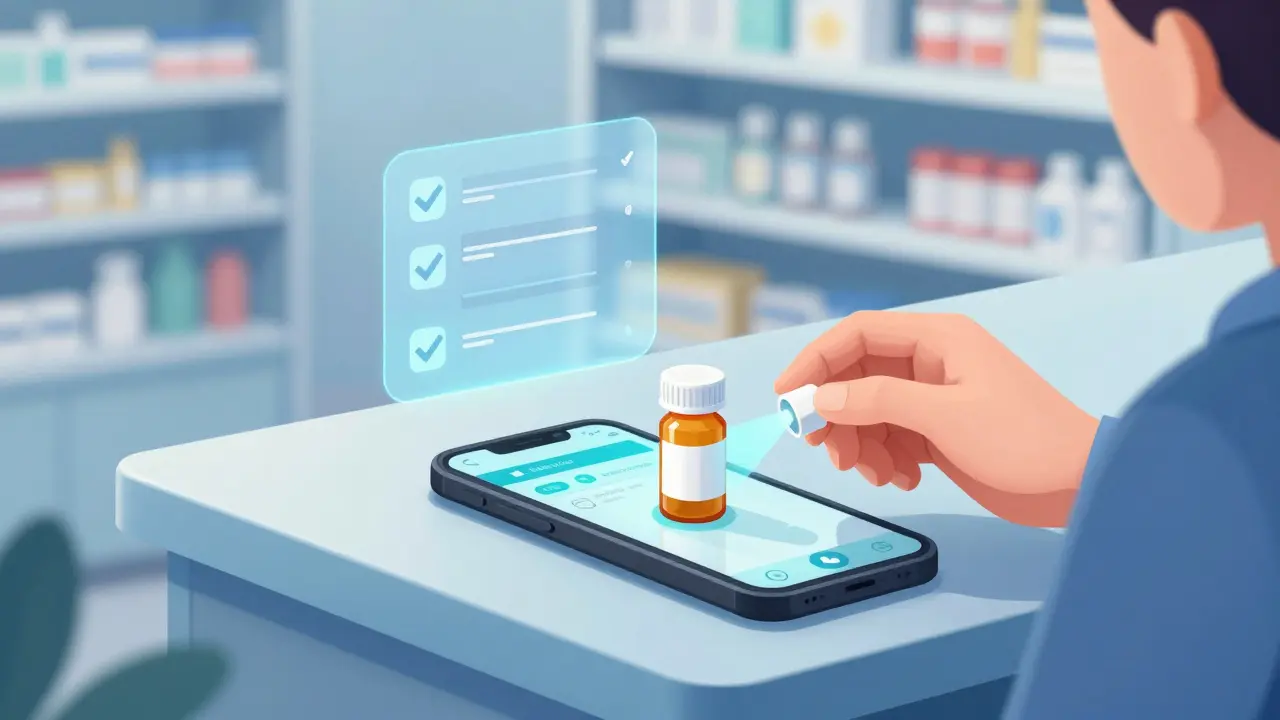
As we move further into 2026, technology is stepping in to solve this problem. Major pharmacy chains are implementing "smart labels" with QR codes. When you scan these with your smartphone, you get a video explanation of what the dates mean. This has already reduced date-related inquiries by nearly 50% in some stores. There is also talk of augmented reality labeling, where pointing your phone at the bottle overlays the information in a way that is impossible to misunderstand.
Regulatory bodies are also pushing for standardization. The FDA has issued draft guidance recommending explicit terminology to prevent confusion. By late 2026, we expect to see more electronic health record systems clearly distinguishing between these dates in digital records. However, until this technology is universal, the responsibility still lies with the patient to understand the difference. The goal of these regulations, from the Omnibus Budget Reconciliation Act of 1990 to the latest updates, is always patient safety. Ensuring you know which date is which is the best way to participate in your own safety.
Can I take medication after the Expiration Date?
No, you should not take medication after the Expiration Date. This date indicates when the manufacturer can no longer guarantee the potency and safety of the drug. Using expired medication can lead to reduced effectiveness or potential harm.
What happens if I miss my Refill-By Date?
If you miss the Refill-By Date, the pharmacy cannot legally dispense more medication. You will need to contact your doctor for a new prescription authorization, which may take several business days to process.
How can I tell the difference on my label?
Look for specific wording. The Expiration Date usually says "Discard by" or "Exp". The Refill-By Date typically says "Refills expire" or "Valid until". If unsure, ask your pharmacist directly.
Do controlled substances have different rules?
Yes, controlled substances often have stricter refill limits. For example, under DEA Schedule II regulations, refills may expire in just six months rather than the standard one year.
Why is there confusion between these dates?
Confusion arises because both dates are printed on the same label and look similar. Surveys show over 50% of patients cannot correctly distinguish between them, leading to premature disposal or access issues.





10 Comments
I remember throwing away pills once because I thought the refill date meant the medicine was bad. Knowing the difference between safety and admin deadlines makes so much sense now. I will definitely be checking my labels more carefully going forward. Thanks for sharing this info.
Most people are just too stupid to understand the real science behind expiration dates anyway. The FDA guidlines are clearly just a way to force people to buy more drugs constantly. I have seen studies that say pills are fine for years but the industry ignores that. You need a higher level of intelect to see through the corporate greed here. It is pathetic how easily the masses are manipulated by these labels.
Wow that sounds kinda harsh but maye you have a point about the waste.
The concept of time itself is fluid when it comes to our health and safety. We cling to dates as if they are absolute truths carved in stone. Yet the chemical decay is a silent process that happens within the molecule. It makes me feel a deep sense of loss when I think about the potential energy wasted. We are all just waiting for the moment the safety net drops beneath us. The anxiety of managing these dates is a burden no one talks about. I feel the weight of every pill that expires unused in the drawer. It represents a promise of health that was not kept. The silence of the bottle is louder than the noise of the pharmacy. We must find peace in the uncertainty of our own biology. There is a spiritual lesson in the expiration of our remedies. It teaches us that nothing lasts forever in this physical realm. I often wonder if the date is a warning or a blessing. The fear of running out is a constant shadow in my life. We are defined by what we take and what we discard. The line between safe and unsafe is thinner than we believe. It is a meditation on mortality wrapped in plastic and paper. I hope everyone finds clarity in their own journey with these labels.
time is relative but the law is not the chemical bond breaks regardless of our feelings safety is the only constant we have we must respect the data not the emotion the label is a contract between science and life ignoring it is a gamble with your own body logic dictates we follow the printed word the mind seeks patterns but the body needs results trust the test not the theory
The distinction between safety and administrative deadlines is clear in this text.
It is imperative that we understand the regulatory framework surrounding pharmaceutical dispensing. The distinction between safety parameters and administrative limits is crucial for public health. Many individuals suffer from unnecessary treatment interruptions due to this confusion. We must educate ourselves on the specific terminology used on labels. The manufacturer stability testing provides the basis for the expiration date. This ensures that the chemical integrity of the medication remains intact. Conversely the refill authorization is a legal matter governed by state statutes. Ignoring these distinctions can lead to significant financial loss for the patient. Furthermore it can result in gaps in therapy that are dangerous for chronic conditions. I strongly advise maintaining a personal log of these critical dates. This proactive approach aligns with best practices in medication management. Pharmacists are trained to verify these dates but the patient holds ultimate responsibility. Technology may assist in the future but human vigilance is required now. We should consult our healthcare providers if any label is ambiguous. This collaboration ensures that safety and compliance are maintained. The goal is always to optimize therapeutic outcomes for every individual. Please take the time to review your current medications today. Knowledge is the most powerful tool in preventing medication errors. We must prioritize our well-being above all other concerns. Let us commit to better understanding our prescriptions moving forward.
You sound like you are trying to lecture everyone on how to live their lives. We should be focusing on American regulations not some global standard nonsense. The FDA knows best and anyone questioning that is undermining our system. Stop trying to act like a mentor when you know nothing about real pharmacy law. Your formal tone is annoying and you are wasting our time with all this fluff. People need to follow the rules not read your essay. The government sets the rules and you better follow them or get out. It is pathetic to see people complaining about expiration dates instead of just paying attention. You are part of the problem if you think you know better than the doctors. Stick to your own business and let the experts handle the science.
I have seen so many friends throw away medicine by mistake!!! It is just so frustrating to watch people waste money like that!!! We need to be so much more careful with our health!!! The pharmacy staff are working so hard to keep us safe!!! We should really listen to what they tell us about the labels!!! It is amazing how technology is helping us out now!!! I am so excited about the smart labels coming out!!! Everyone needs to read this article carefully!!! It is just too easy to make a mistake without knowing better!!! We must all take responsibility for our own medication management!!! The difference between safe and unsafe is really that important!!! I hope everyone shares this with their family members!!! It could really save someone from a bad situation!!! Let us all be more informed citizens about our health!!! This is definitely a win for patient education!!!
Accuracy is the primary concern in medical matters. The distinction between dates remains a factual issue rather than an emotional one. We should focus on the regulations provided by the FDA and state boards. Personal anecdotes do not replace the need for verified information on labels. It is important to maintain a professional tone when discussing health protocols. The safety of the patient depends on strict adherence to these guidelines. Emotions should not cloud the judgment required for medication management. We must rely on the data provided by the manufacturers and pharmacists. The goal is clear communication regarding expiration and refill limits. Please ensure you verify all dates with your healthcare provider directly.