Diuretics for Ascites: What Works, What to Watch, and How They Help
When fluid builds up in the abdomen—called ascites, an abnormal collection of fluid in the peritoneal cavity, often caused by advanced liver disease—it’s not just uncomfortable, it’s a sign your body is struggling. Diuretics for ascites, medications that help your kidneys flush out extra fluid are the first line of defense. They don’t cure the root problem, like cirrhosis or heart failure, but they give you breathing room, reduce swelling, and can prevent dangerous complications like infection. For many people, these drugs make the difference between being stuck on the couch and getting through the day.
The two most common diuretics for ascites, drugs that increase urine output to reduce fluid retention are spironolactone, a potassium-sparing diuretic that blocks aldosterone, a hormone that causes salt and water retention and furosemide, a loop diuretic that acts quickly on the kidneys to push out sodium and water. Doctors usually start with spironolactone alone because it’s gentler on electrolytes and works better for long-term fluid control in liver disease. If that’s not enough, they add furosemide. Together, they’re a team—one works slowly and steadily, the other kicks in fast. But this combo isn’t harmless. Too much can drop your blood pressure, mess with your potassium or sodium levels, or hurt your kidneys, especially if you’re already dealing with liver damage. That’s why regular blood tests aren’t optional—they’re life insurance.
People with ascites often wonder why they can’t just drink less water. It doesn’t work that way. Your body isn’t holding fluid because you drank too much—it’s because your liver can’t make enough protein to keep fluid in your blood vessels. So the fluid leaks out into your belly. Diuretics don’t fix the leak—they help your body drain the puddle. That’s why diet matters too. Cutting back on salt is just as important as taking your pills. One extra teaspoon of salt can undo a week of progress. And if you’re on these meds long-term, you need to know the signs of trouble: dizziness, confusion, muscle cramps, or suddenly peeing way less than usual. These aren’t side effects to ignore—they’re red flags.
What you’ll find in the posts below isn’t just a list of drugs. It’s real-world guidance on how these treatments interact with other meds you might be taking, how kidney function affects dosing, and why some people respond differently than others. You’ll see how spironolactone can affect hormone levels, how furosemide can be risky if your kidneys are already weak, and what to do when the fluid keeps coming back despite taking your pills. These aren’t theory pieces—they’re practical, tested insights from people who’ve been there, and doctors who’ve seen what works and what doesn’t. This is the kind of info you won’t get from a one-page handout at the pharmacy. It’s what you need to talk smart with your doctor—and stay in control of your health.
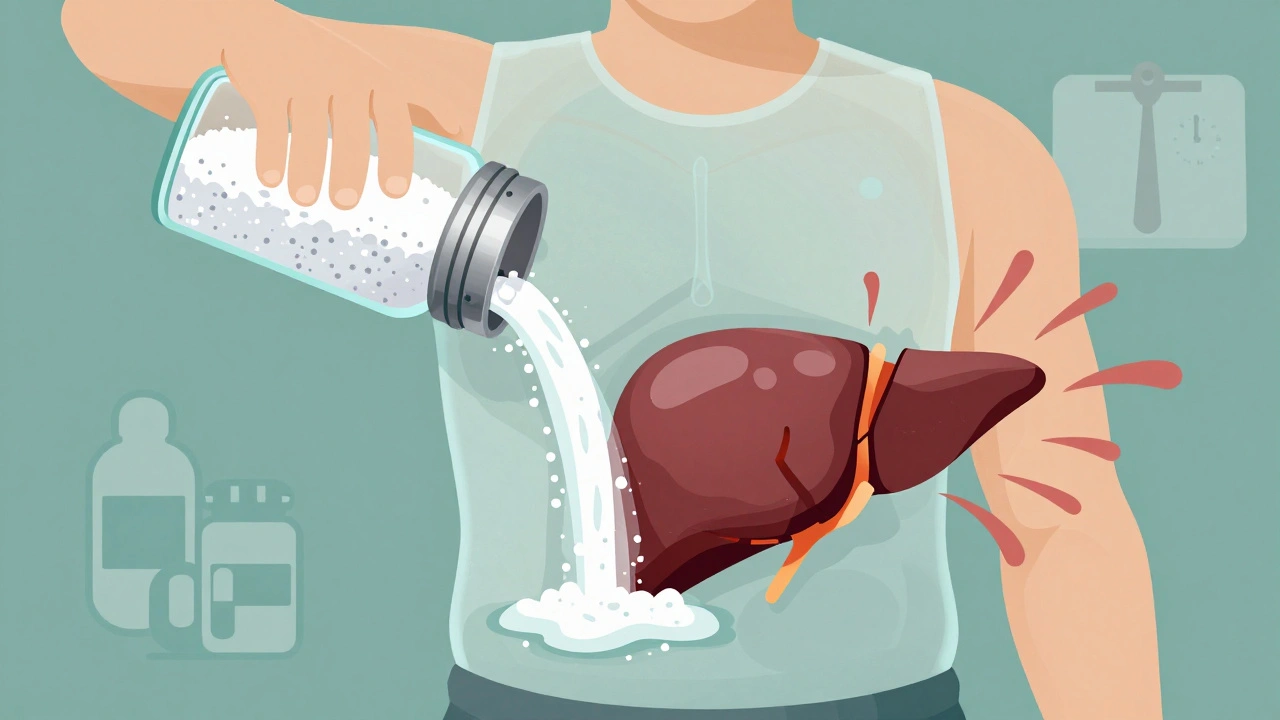
Ascites Management: How Sodium Restriction and Diuretics Really Work
Ascites management relies on sodium restriction and diuretics, but new research challenges old guidelines. Learn how much salt to really eat, which diuretics work best, and what to avoid to protect your liver and kidneys.
read more