DOACs: What They Are, How They Work, and What You Need to Know
When you need to prevent blood clots but don’t want to deal with constant blood tests, DOACs, direct oral anticoagulants that work quickly and don’t require regular monitoring like warfarin. Also known as non-vitamin K antagonist oral anticoagulants, they’re now the go-to choice for atrial fibrillation, deep vein thrombosis, and pulmonary embolism. Unlike older blood thinners, DOACs don’t need frequent INR checks, don’t interact heavily with vitamin K-rich foods, and start working within hours. That’s why more than half of new anticoagulant prescriptions in the U.S. are for DOACs now.
There are four main types of DOACs: apixaban, rivaroxaban, dabigatran, and edoxaban. Each blocks a different clotting factor—some target factor Xa, others target thrombin. This precision reduces the chance of dangerous clots without the same bleeding risk as warfarin. But here’s the catch: they’re not risk-free. Severe bleeding can still happen, especially in older adults, people with kidney problems, or those taking other drugs like NSAIDs or certain antibiotics. That’s why knowing your kidney function matters—most DOACs are cleared through the kidneys, and even a small drop in function can raise drug levels. If you’re on one, ask your doctor about your eGFR. And if you’ve had a fall or head injury, don’t wait to get checked—internal bleeding doesn’t always show symptoms right away.
DOACs also don’t have a universal antidote like vitamin K for warfarin, though specific reversal agents exist for some. Apixaban and rivaroxaban can be reversed with andexanet alfa; dabigatran with idarucizumab. But these are hospital-only treatments, not something you keep at home. That’s why timing and adherence matter so much. Missing a dose increases clot risk; doubling up raises bleeding risk. If you forget one, check the guidelines for your specific drug—some say take it if it’s been less than 6 hours, others say skip it. No guessing. Keep a log. Set phone alerts. Your life depends on consistency.
What you’ll find below are real-world stories and science-backed facts about DOACs—from how they compare to older drugs, to what happens when they interact with painkillers, to how to spot bleeding before it becomes an emergency. These aren’t theoretical discussions. They’re from people managing clots, side effects, and daily life on these drugs. Whether you’re just starting on a DOAC, worried about bleeding, or confused about switching from warfarin, the posts here give you the clear, no-fluff answers you need.
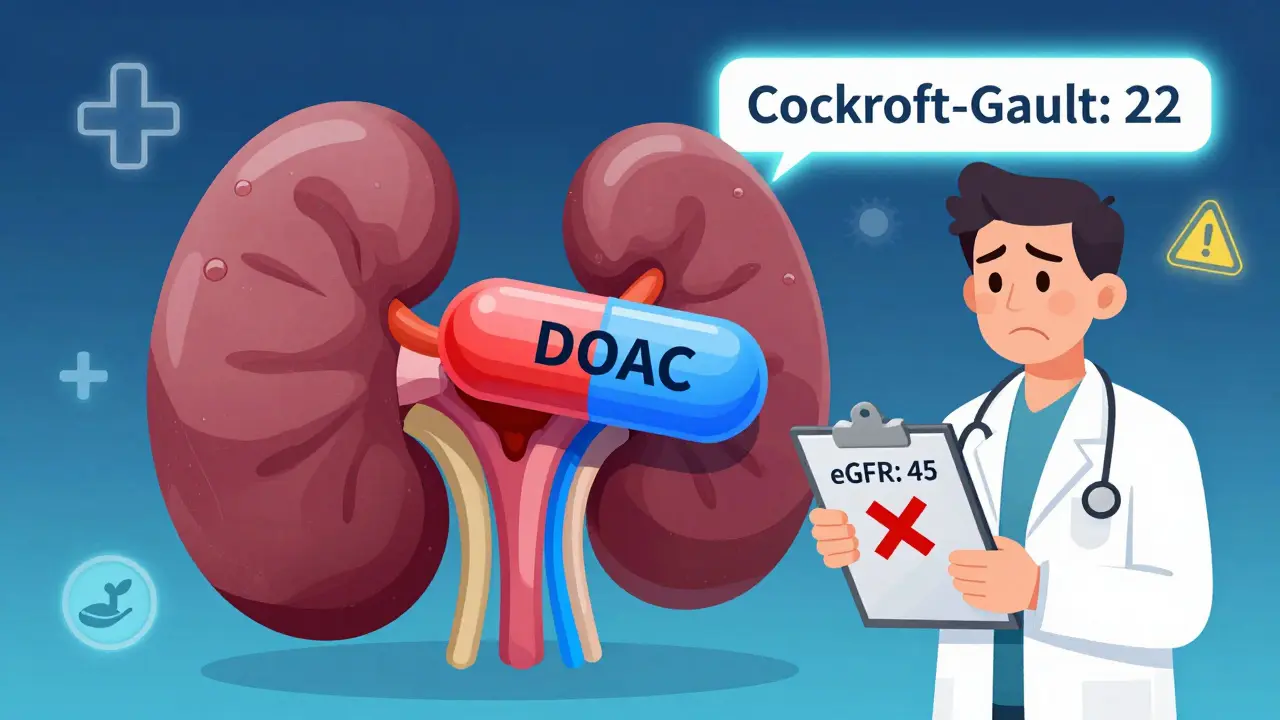
DOACs in Renal Impairment: How to Adjust Doses to Prevent Bleeding and Clots
DOACs like apixaban, rivaroxaban, and dabigatran require precise dosing in kidney disease to avoid bleeding or clots. Learn which drug is safest, how to calculate kidney function correctly, and common dosing mistakes to avoid.
read more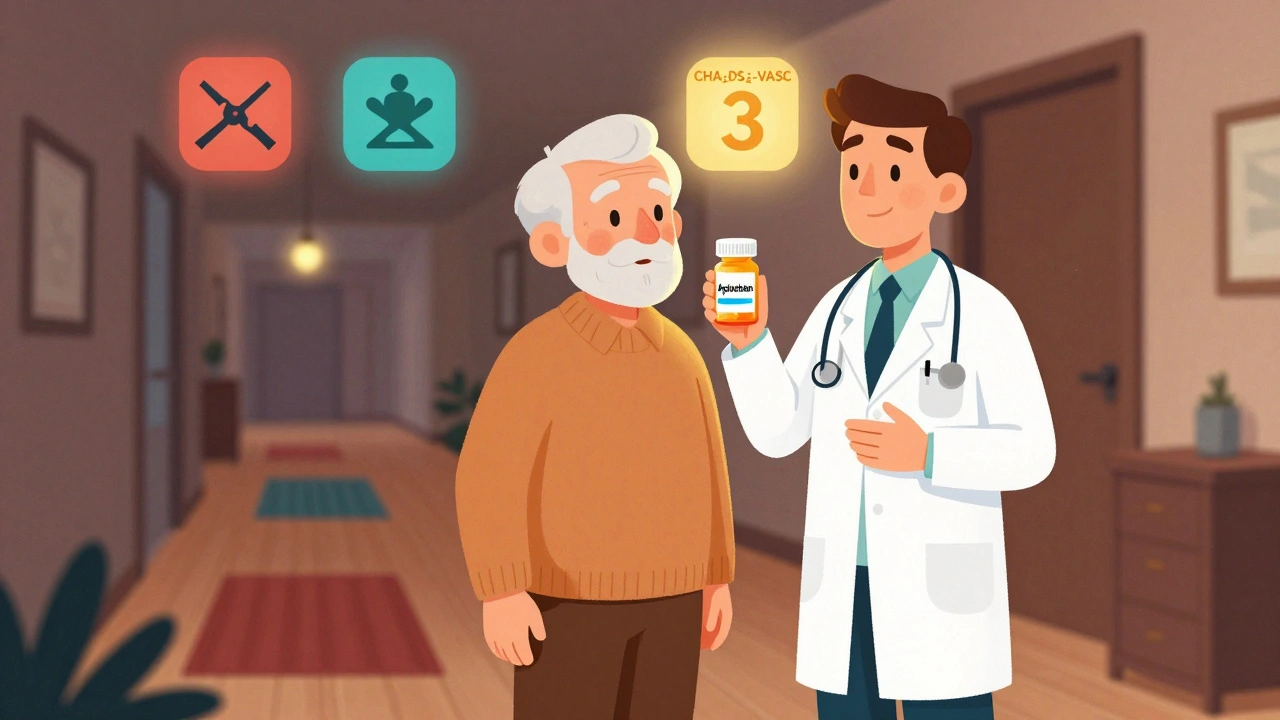
Falls Risk on Anticoagulants: How to Prevent Bleeding Without Stopping Blood Thinners
Falls shouldn't stop you from taking blood thinners. Learn why stopping anticoagulants for fall risk increases stroke danger-and how DOACs, fall prevention, and proper risk scores can keep you safe without compromising protection.
read more