Cirrhosis Ascites: What It Is, Why It Happens, and How It's Managed
When your liver is badly damaged from long-term disease, it can lead to cirrhosis ascites, the abnormal accumulation of fluid in the abdominal cavity due to advanced liver scarring. This isn't just swelling—it's a sign your liver is struggling to do its job, and your body is paying the price. Also known as ascites, a common complication of end-stage liver disease, it affects nearly half of people with cirrhosis within 10 years of diagnosis. The fluid doesn’t just make you feel bloated—it can cause pain, trouble breathing, and even infection.
What causes this fluid to build up? The main driver is portal hypertension, high pressure in the vein that carries blood from your intestines to your liver. When scar tissue blocks blood flow, pressure builds up, forcing fluid out of blood vessels and into your belly. At the same time, your damaged liver stops making enough albumin, a protein that keeps fluid inside your veins. Without it, fluid leaks out. Salt and water retention from your kidneys makes it worse. It’s a chain reaction—and once it starts, it doesn’t stop without intervention.
Managing cirrhosis ascites isn’t about quick fixes. It’s about stopping the cycle. Doctors start with low-salt diets and diuretics—medications that help your kidneys flush out extra fluid. But if that doesn’t work, you might need a procedure called paracentesis, where a needle removes fluid directly from your belly. For some, a TIPS shunt (a tiny tube placed inside the liver) helps lower pressure and reduce fluid buildup. But none of these treat the root problem: your liver is failing. That’s why stopping alcohol, managing hepatitis, and avoiding liver-toxic drugs are just as important as the meds.
People with cirrhosis ascites are at high risk for spontaneous bacterial peritonitis—a serious infection of the fluid that can kill if not caught early. Signs? Fever, belly pain, confusion. If you have ascites and feel off, don’t wait. Get checked. And if you’re on long-term diuretics, your kidney function and electrolytes need regular monitoring. Too much fluid removal can crash your blood pressure. Too little, and the swelling returns.
What you’ll find in the posts below are real, practical insights into how cirrhosis ascites connects to other health issues: how it affects kidney function, why certain medications can make it worse, what dietary changes actually help, and how treatments like diuretics and paracentesis work in real life. These aren’t theory pieces—they’re guides written for people living with this condition, their caregivers, and anyone trying to understand what comes next.
Ascites Management: How Sodium Restriction and Diuretics Really Work
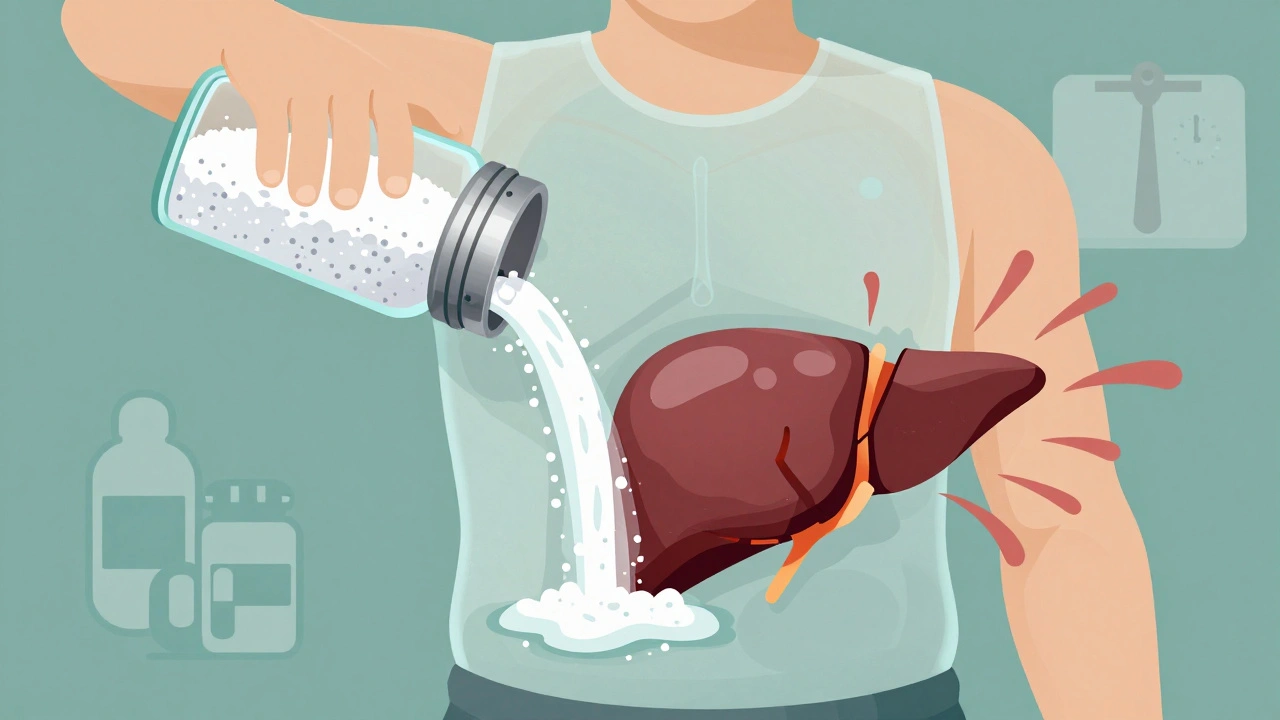
Ascites management relies on sodium restriction and diuretics, but new research challenges old guidelines. Learn how much salt to really eat, which diuretics work best, and what to avoid to protect your liver and kidneys.
read more