Sodium Restriction: What It Means for Your Heart, Kidneys, and Blood Pressure
When doctors talk about sodium restriction, the deliberate reduction of dietary salt to manage health conditions like high blood pressure and kidney disease. Also known as low sodium diet, it’s not a trendy detox—it’s a medically backed tool used by millions to prevent heart failure, stroke, and worsening kidney function. You don’t need to eliminate salt completely, but cutting back can make a real difference—if you know how and why.
High blood pressure, a condition where force against artery walls is too high, often worsened by too much sodium is the most common reason people are told to reduce salt. The American Heart Association says most adults should aim for under 2,300 mg a day, and ideally closer to 1,500 mg if you already have hypertension. But sodium doesn’t just affect blood pressure—it also strains your kidneys, organs that filter waste and regulate fluid balance, which struggle when overloaded with salt. When kidneys can’t flush out excess sodium, fluid builds up, raising pressure everywhere, including in your heart and blood vessels. That’s why people with chronic kidney disease, heart failure, or liver cirrhosis are often put on strict sodium limits.
Sodium restriction isn’t just about skipping the salt shaker. Most of it comes from packaged foods—bread, canned soups, deli meats, frozen meals, and even sweet snacks like granola bars. You might be eating 3,000 mg a day without realizing it. Reading labels helps, but the real win is choosing whole foods: fresh vegetables, plain meats, beans, and unsalted nuts. Cooking at home gives you control. And yes, your taste buds adapt. After a few weeks, food that once tasted fine starts to feel overly salty.
Not everyone needs to cut back the same way. Healthy young adults might not see big changes, but for those with existing conditions, even small reductions lower hospital visits and improve quality of life. Studies show that lowering sodium by just 1,000 mg daily can reduce systolic blood pressure by 5 to 6 mm Hg in hypertensive people. That’s the same drop you’d get from some medications—without the side effects.
What you’ll find in these articles isn’t theory—it’s real advice from people managing sodium limits every day. You’ll see how it connects to medications like diuretics, why some painkillers can undo your progress, how kidney function affects your salt tolerance, and what to watch for when you’re on multiple drugs. Whether you’re newly diagnosed, helping an older relative, or just trying to eat smarter, these posts give you the facts without the fluff.
Ascites Management: How Sodium Restriction and Diuretics Really Work
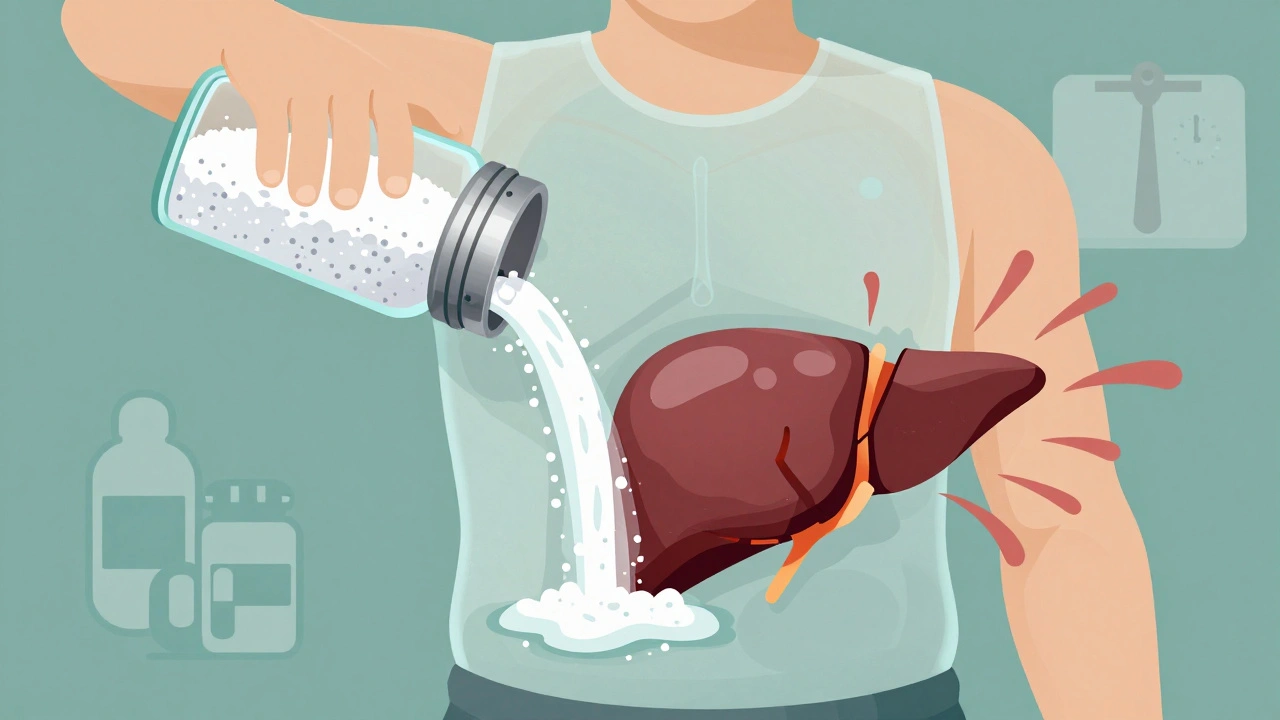
Ascites management relies on sodium restriction and diuretics, but new research challenges old guidelines. Learn how much salt to really eat, which diuretics work best, and what to avoid to protect your liver and kidneys.
read more