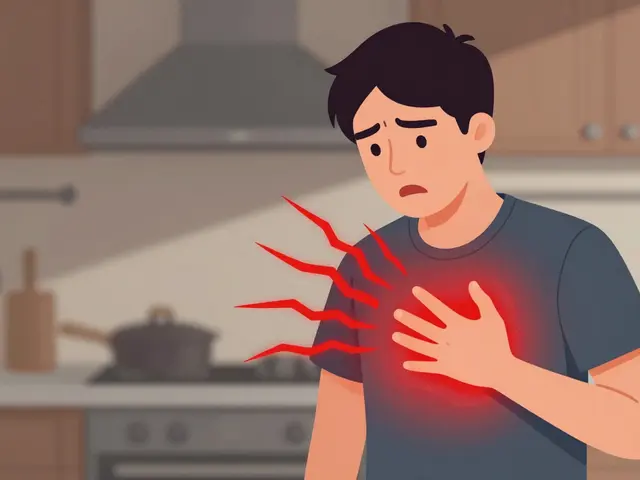
Panic Attacks: What They Are, How They Hit, and What Actually Helps
When your heart races out of nowhere, your chest tightens, and you feel like you’re dying—panic attacks, sudden episodes of intense fear that trigger severe physical reactions even when there’s no real danger. Also known as acute anxiety attacks, they’re not just "being nervous"—they’re your body’s alarm system going off on false alert. These episodes can happen while you’re sitting still, driving, or even sleeping. They don’t care if you’re healthy, organized, or in control. One in three people will have at least one in their lifetime.
Benzodiazepines, fast-acting sedatives prescribed to calm the nervous system during panic are common short-term fixes. But they come with risks—dependence, memory fog, and withdrawal that can make things worse. That’s why many people turn to breathing techniques, simple, science-backed methods to reset the body’s fight-or-flight response instead. Slowing your breath to 6 breaths per minute can literally quiet the panic signal in your brain within minutes. It’s not magic. It’s biology.
Panic attacks don’t happen in a vacuum. They often link to deeper issues—like postpartum anxiety, a hidden but common condition affecting 1 in 5 new mothers, or chronic stress that’s been ignored for too long. Many people mistake panic for a heart problem, a lung issue, or even a neurological disorder. But the real trigger? Usually, it’s the brain misreading safety signals. The good news? You can retrain it. Therapy, consistent routines, and understanding your triggers do more than meds ever could—especially when used together.
What you’ll find here aren’t generic tips. These are real stories from people who’ve been there: how one woman stopped panic attacks after childbirth by timing her antidepressant doses, how another avoided benzo dependence by switching to breathing drills, and why some people who think they’re having heart attacks are actually experiencing full-blown panic. You’ll see what works, what doesn’t, and what no one tells you until it’s too late. No fluff. No fear-mongering. Just what you need to take back control—before the next attack hits.
Anxiety Disorders: Types, Symptoms, and Evidence-Based Treatments
Anxiety disorders affect nearly 20% of U.S. adults and include types like GAD, panic disorder, and social anxiety. Evidence-based treatments like CBT and SSRIs offer real relief, but access and side effects remain barriers. Learn what works, what doesn't, and how to move forward.
read more