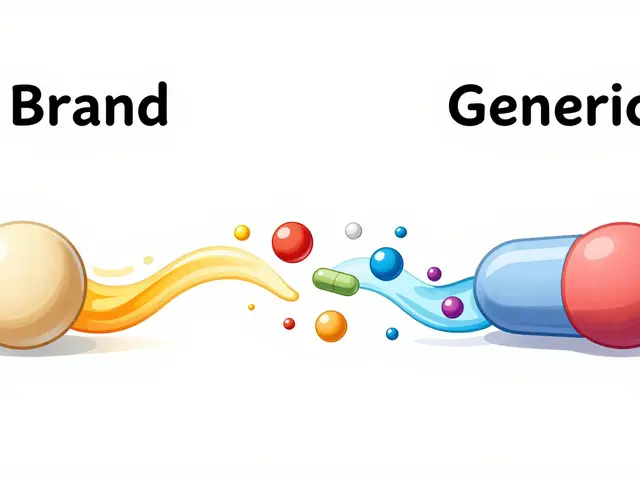
Narrow Therapeutic Index: What It Means and Why It Matters for Your Medications
When a drug has a narrow therapeutic index, a small range between the dose that works and the dose that causes harm. Also known as narrow therapeutic window, it means even tiny changes in how your body absorbs or processes the drug can lead to serious side effects—or make the medicine useless. This isn’t just a technical term for pharmacists. If you’re taking drugs like warfarin, lithium, digoxin, or phenytoin, this concept directly affects your safety.
Drugs with a narrow therapeutic index don’t give you room for error. A little too much and you risk toxicity—a little too little and the treatment fails. That’s why switching from brand to generic isn’t always as simple as saving money. The FDA requires generics to match brand drugs in bioequivalence, but for these high-risk medications, even minor differences in how the drug dissolves or is absorbed can matter. That’s why some doctors prefer you stick with one version, and why pharmacies sometimes can’t substitute without your consent.
It’s not just about generics. Your diet, other medications, liver function, and even your age can shift how your body handles these drugs. For example, eating grapefruit while on certain narrow-index drugs can spike blood levels dangerously. Taking an antibiotic like rifampin might speed up how fast your body clears the drug, dropping it below the effective range. That’s why tracking your labs—like INR for warfarin or blood levels for lithium—isn’t optional. It’s your safety net.
Many of the posts here touch on this idea without naming it directly. When you read about drug interactions, how one medicine changes the effect of another, or why steroid-induced osteoporosis needs careful monitoring, you’re seeing the same principle: small changes, big consequences. The same goes for understanding FDA drug labels, where risk-benefit info is buried in fine print. If a drug has a narrow index, those warnings aren’t there to scare you—they’re there because the line between help and harm is thin.
What you’ll find in this collection isn’t just theory. It’s real-world guidance: how to spot when a switch might be risky, how to read your prescription label for clues, and how to talk to your pharmacist about why your medication needs extra attention. You’ll learn how to protect yourself when you’re on drugs where the dose isn’t just a number—it’s a balancing act.
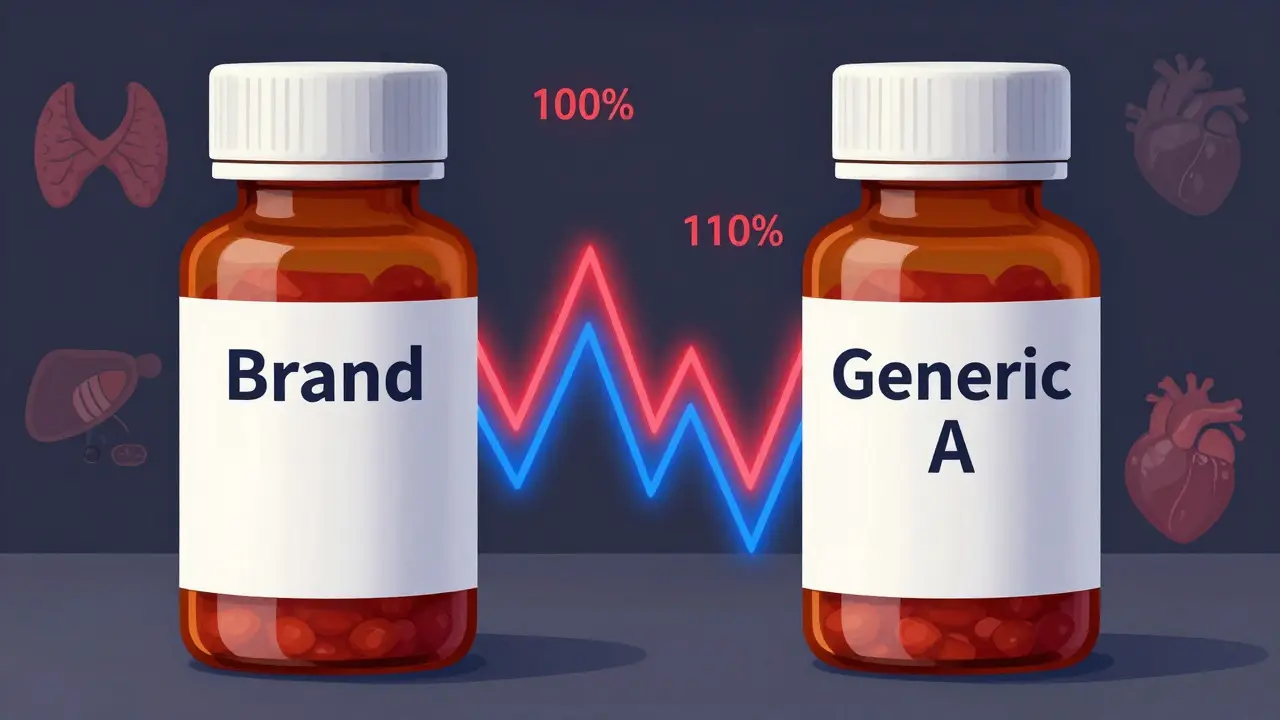
Multiple Manufacturers: NTI Drugs and Switching Between Generics
Switching between generic versions of NTI drugs like levothyroxine or tacrolimus can cause dangerous fluctuations in blood levels. Learn why even small changes matter, what the FDA says, and how to protect yourself.
read more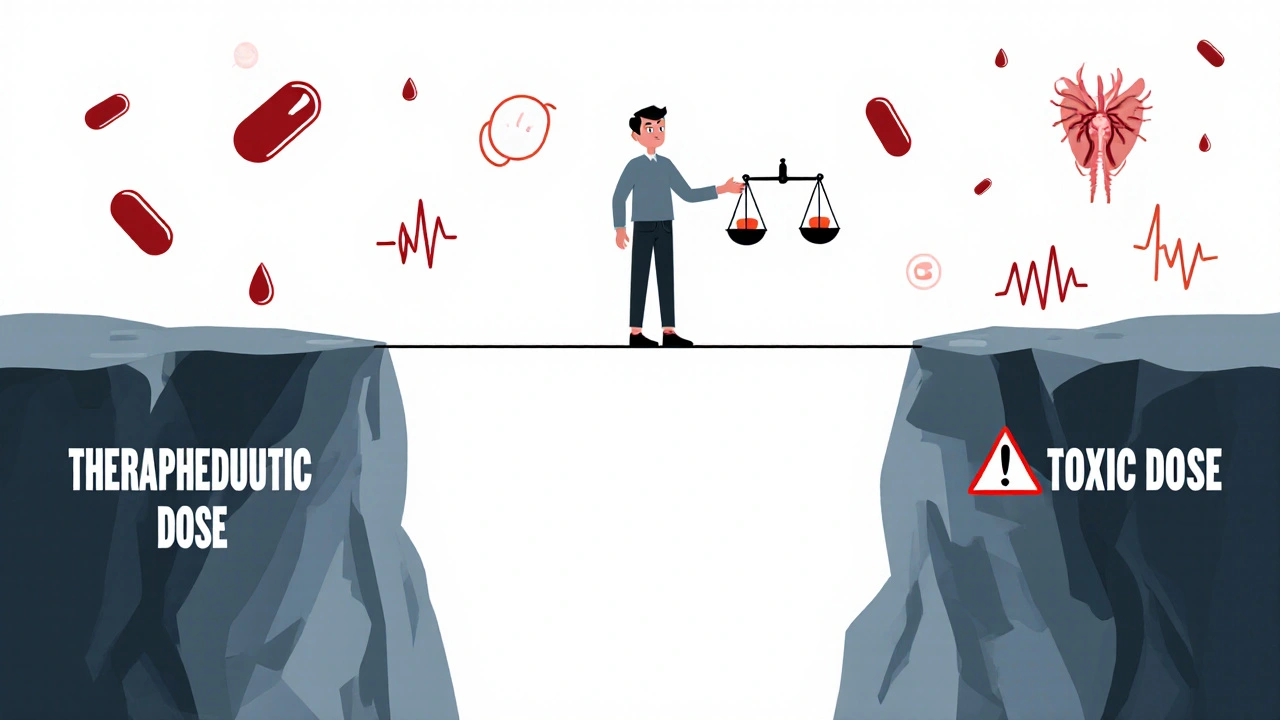
Narrow Therapeutic Index Drugs: What Patients Need to Know
Narrow therapeutic index drugs require precise dosing and regular monitoring. Learn how warfarin, lithium, levothyroxine, and others work, why generic switches can be risky, and what you must do to stay safe.
read more