Isoniazid and Rifampin: What You Need to Know About This TB Treatment Combo
When you're diagnosed with tuberculosis, your doctor might prescribe isoniazid and rifampin, a two-drug combination used as first-line treatment for active TB infection. Also known as HR therapy, this pairing is one of the most effective ways to kill the bacteria that cause TB and prevent drug resistance. It’s not just two pills thrown together—this combo works because each drug attacks the bacteria in different ways, making it harder for them to survive.
But here’s the catch: isoniazid, a synthetic antibiotic that stops TB bacteria from building their cell walls can mess with your liver, especially if you drink alcohol or take other meds like acetaminophen. And rifampin, a rifamycin antibiotic that shuts down bacterial RNA production doesn’t just fight TB—it speeds up how your body breaks down almost everything else, including birth control pills, blood thinners, and even some antidepressants. That’s why people on this combo often need dose adjustments or alternative treatments for other conditions.
You won’t feel better right away. Most patients take this combo for at least six months, sometimes longer. Skipping doses or stopping early is one of the biggest reasons TB comes back—and comes back stronger. That’s why doctors push so hard for directly observed therapy, where a nurse watches you swallow each pill. It’s not about distrust—it’s about saving lives.
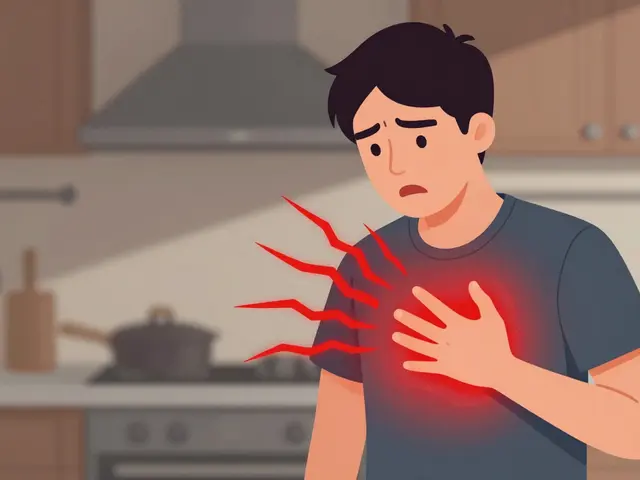
Side effects aren’t rare. Yellow eyes, dark urine, nausea, or unexplained fatigue? That could be liver damage. Tingling in your hands or feet? That’s isoniazid affecting your nerves. And yes, your sweat, urine, and tears might turn orange—that’s just rifampin doing its thing. It’s harmless, but it freaks people out if they’re not warned.
There’s no sugarcoating it: this treatment is tough. But for someone with active TB, it’s life-saving. And while newer drugs are being studied, this combo remains the gold standard in most parts of the world. The posts below cover what you won’t hear from your doctor—how this combo interacts with other meds, what to do if you miss a dose, how to protect your liver, and why some people can’t take it at all. You’ll find real stories, practical tips, and clear warnings about what to watch for. No fluff. Just what you need to stay safe while fighting TB.
Isoniazid Interactions: Hepatotoxicity and Multiple Drug Effects
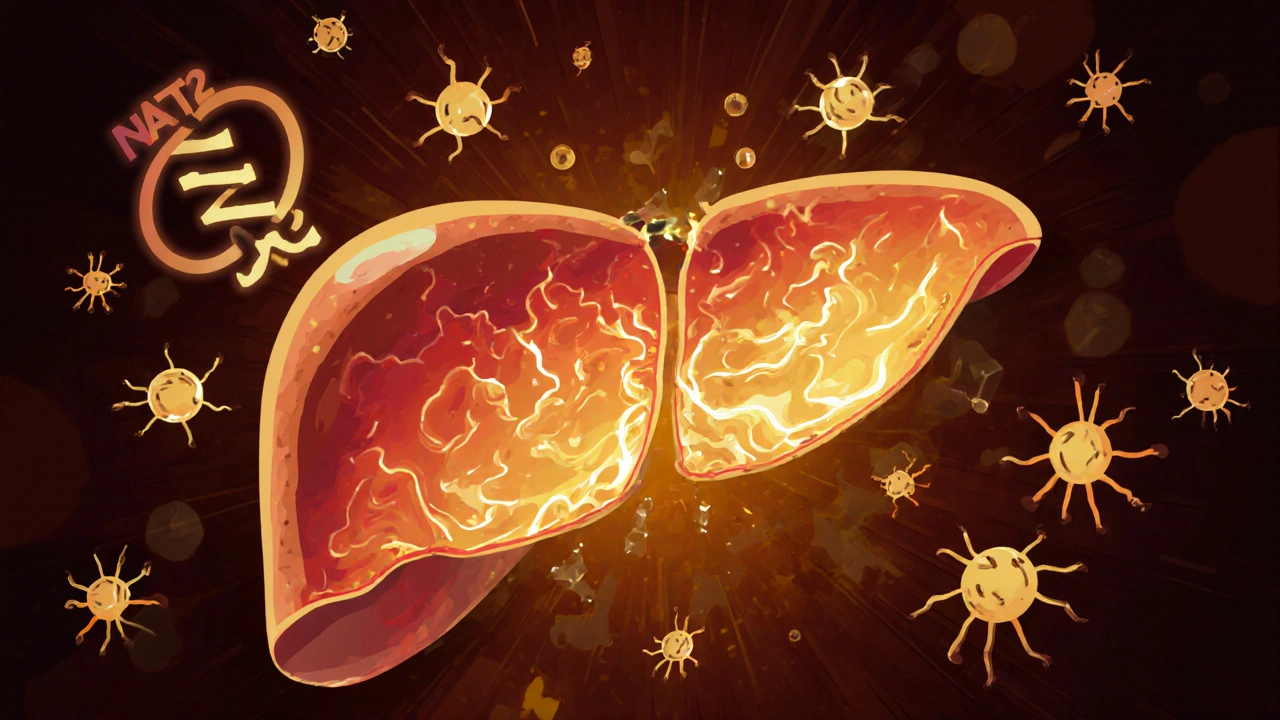
Isoniazid is vital for treating tuberculosis but carries a significant risk of liver damage, especially when combined with rifampin or in slow acetylators. Learn how genetics, drug interactions, and monitoring affect safety.
read more