Ascites Management: How to Handle Fluid Buildup in the Abdomen
When fluid collects in the abdomen — a condition called ascites, the abnormal accumulation of fluid in the peritoneal cavity, often due to liver disease. Also known as abdominal effusion, it’s not a disease itself but a sign that something serious is going on inside — usually liver cirrhosis, scarring of the liver that impairs its ability to filter blood and regulate fluids. About 50% of people with cirrhosis will develop ascites within 10 years, and once it shows up, it often means the liver is struggling to keep up. This isn’t just about a bloated belly; it can lead to breathing trouble, infections like spontaneous bacterial peritonitis, and serious drops in kidney function.
Managing ascites isn’t about quick fixes. It’s a long-term balance between removing fluid safely and stopping it from coming back. The first line of defense is usually diuretics, medications that help the kidneys flush out excess salt and water, especially spironolactone and furosemide. These aren’t one-size-fits-all — doctors adjust doses carefully because too much can crash your blood pressure or hurt your kidneys. Salt intake matters just as much. Cutting back to under 2,000 mg a day isn’t optional; it’s what makes the drugs work. Some people need a procedure called paracentesis, a needle inserted into the abdomen to drain large amounts of fluid quickly, especially when breathing is hard or the belly is painfully swollen. It’s not a cure, but it gives immediate relief and helps doctors test the fluid for infection.
What you won’t find in most guides is how often ascites comes back — and why. Even with perfect medication and diet, fluid can return in weeks. That’s when doctors consider other options: TIPS (a shunt placed between liver veins to reduce pressure), albumin infusions to keep fluid in the bloodstream, or even liver transplant evaluation. Many people don’t realize that stopping alcohol isn’t just helpful — it’s the single most effective thing you can do if cirrhosis is the cause. And while some online sources push herbal remedies or detox teas, there’s zero proof they help. What does work? Monitoring your weight daily, knowing the signs of infection (fever, belly pain, confusion), and talking to your doctor before taking any new medicine — including over-the-counter painkillers, which can wreck your kidneys when ascites is present.
What you’ll find in the posts below are real, practical insights from people who’ve lived with this — how to time diuretics to avoid nighttime bathroom trips, why some patients need weekly paracentesis, how kidney function changes with fluid shifts, and what to do when meds stop working. No fluff. No theory. Just what helps — and what doesn’t — when your body holds onto fluid it can’t let go.
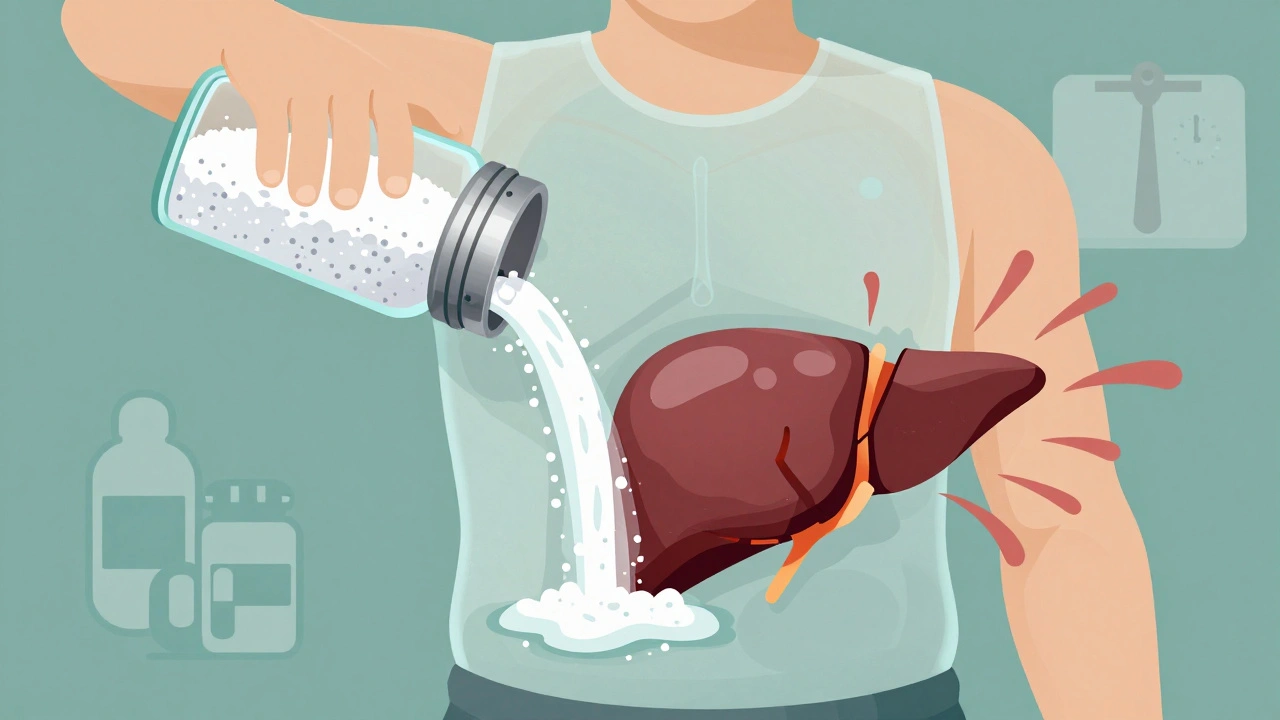
Ascites Management: How Sodium Restriction and Diuretics Really Work
Ascites management relies on sodium restriction and diuretics, but new research challenges old guidelines. Learn how much salt to really eat, which diuretics work best, and what to avoid to protect your liver and kidneys.
read more