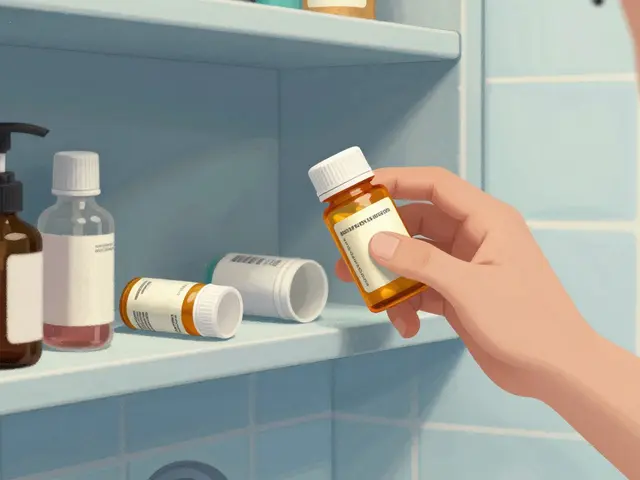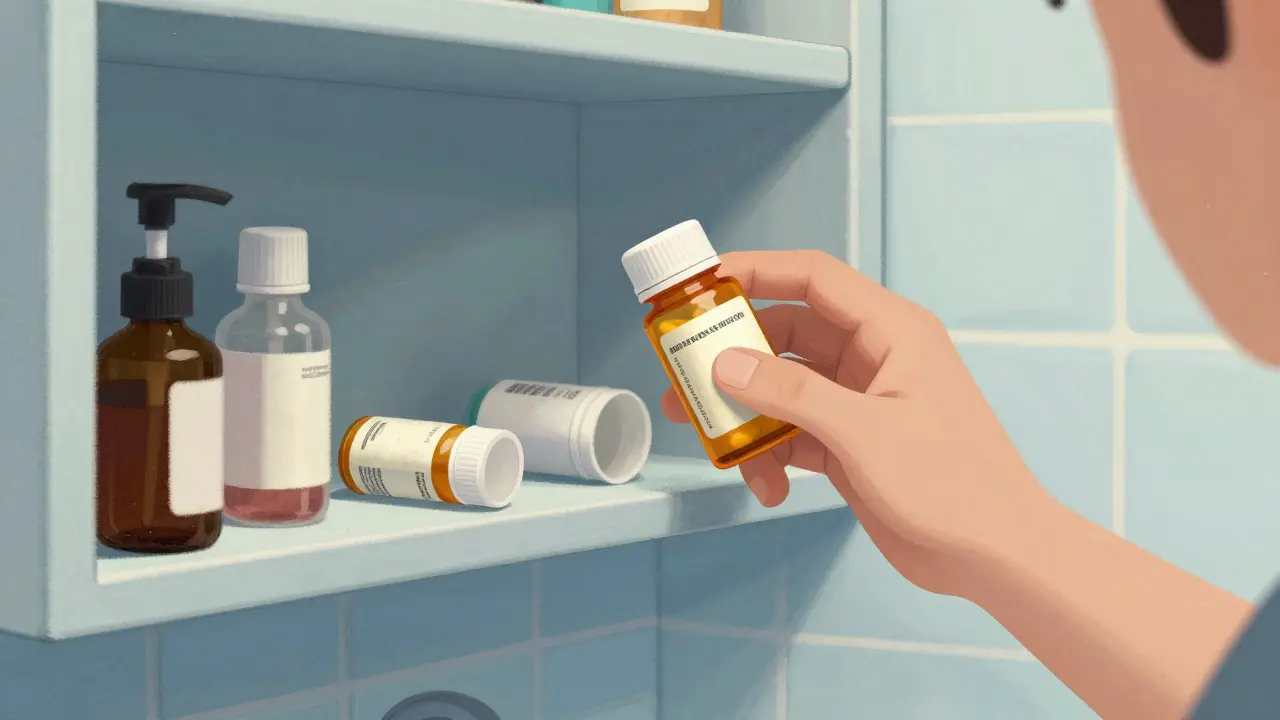
Ever opened your medicine cabinet and found a bottle of painkillers from five years ago? You aren't alone. Most of us treat our home pharmacy like a "set it and forget it" zone, but keeping track medication expiration dates isn't just about tidiness-it's about safety. Using a drug past its prime can mean it's less effective or, in some cases, potentially harmful. The goal isn't to turn your bathroom into a hospital pharmacy, but to create a simple system that ensures you're only taking medicine that actually works.
Why Expiration Dates Actually Matter
You might wonder if that cough syrup from 2023 is still "fine." While some medications are more stable than others, the date on the bottle is the manufacturer's guarantee that the drug is fully potent and safe. When a drug expires, the active ingredients break down. For something like a mild headache, a weaker pill might just mean the pain doesn't go away. But for critical meds, like insulin or nitroglycerin, a loss of potency can be dangerous.
Beyond potency, some medications can change chemically over time. For instance, certain liquid medications can grow bacteria if the preservatives break down. There is also the risk of contamination if a seal has degraded. By staying on top of your dates, you avoid the guesswork and the risk of taking a substance that has evolved into something unpredictable.
The Simple Manual Tracking System
You don't need expensive software to manage your home cabinet. A few low-tech tweaks can make a huge difference. Start by grouping your medications by use-pain relief, allergy, first aid, and prescriptions. This prevents you from digging through a pile of bottles every time you need a bandage.
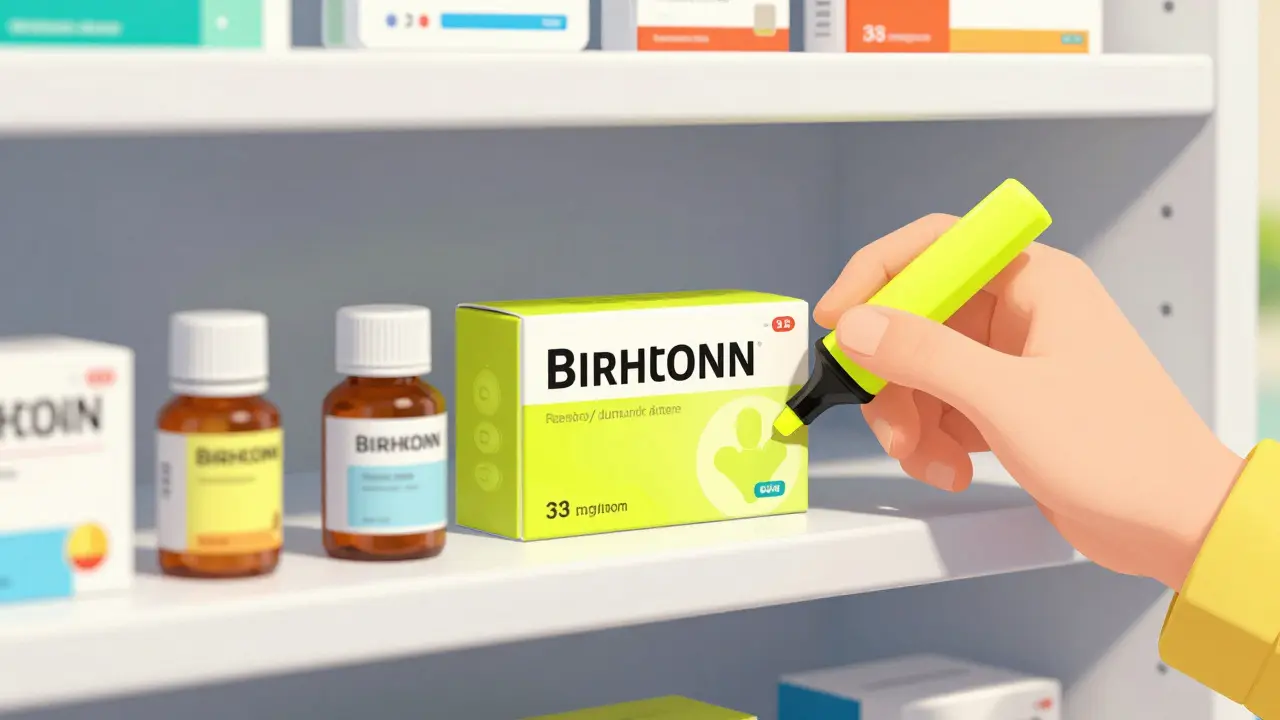
One of the most effective human-led methods is the "Highlighted Date" technique. Use a bright neon highlighter to mark the expiration date on every box or bottle the moment you bring it home from the pharmacy. When you're glancing through your cabinet, your eyes will naturally hit those bright spots, making it obvious which ones are nearing their end. If the date is printed in a tiny, hard-to-read font, use a permanent marker to write the month and year in large letters on the cap.
Using Digital Tools for Reminders
If you struggle to remember to check your cabinet, let your phone do the work. While hospitals use complex systems like BD Pyxis automated dispensing cabinets that use RFID and barcodes to track medication shelf life, you can mimic the "alert" functionality with simple apps. Use a basic reminder app or a calendar to set a "Pharmacy Purge" date every six months-typically during the change of seasons (Spring and Autumn).
For those with many prescriptions, a simple spreadsheet or a dedicated medication tracking app can help. List the medication name, the date you opened it (since some liquids expire faster once opened), and the official expiration date. Setting a notification for 30 days before a medication expires gives you plenty of time to call your doctor for a refill without running out in an emergency.
| Method | Effort Level | Best For... | Main Downside |
|---|---|---|---|
| Highlighter/Marker | Low | Quick visual checks | Requires manual marking |
| Calendar Reminders | Medium | Consistent maintenance | Easy to ignore alerts |
| Tracking App/Sheet | High | Complex medication lists | Time-consuming setup |
The "First-In, First-Out" (FIFO) Rule
If you buy medications in bulk-like buying a large pack of generic ibuprofen-you might end up with multiple bottles of the same drug. To avoid waste, use the FIFO a inventory management method where the oldest stock is used first to prevent expiration method. Always place the newest bottles at the back of the shelf and move the older ones to the front.
This simple physical shift ensures you don't accidentally leave an old bottle at the back of the cabinet for three years while using a brand-new one. It's the same logic used in grocery stores and professional pharmacies to keep inventory fresh and reduce waste.
How to Safely Dispose of Expired Meds
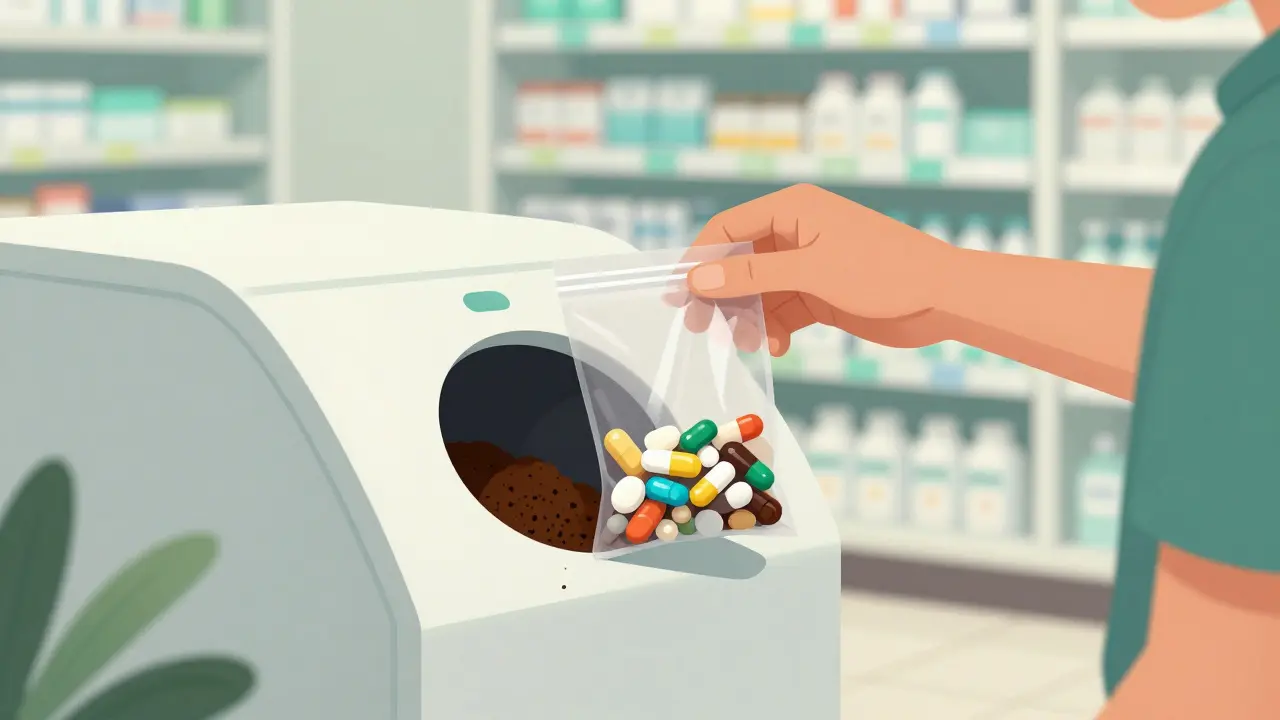
Once you've identified the expired drugs, don't just toss them in the trash or flush them down the toilet. Many medications can contaminate the water supply or be accidentally ingested by pets and children. The best approach is to find a pharmacy take-back program. Many local pharmacies have secure drop-boxes specifically for this purpose.
If a take-back program isn't available, follow the FDA guidelines: mix the medicine (do not crush pills) with an unappealing substance like used coffee grounds or kitty litter, place the mixture in a sealed bag, and then throw it in the household trash. Be sure to scratch out your personal information on the prescription bottle before recycling the plastic.
Avoiding Common Storage Mistakes
Where you store your meds is almost as important as when you track them. Many people keep their medicine in the bathroom, but the heat and humidity from the shower can actually speed up the chemical breakdown of certain drugs. This means a medication could lose its effectiveness even before the expiration date on the bottle.
Instead, consider a cool, dry place like a kitchen pantry or a dedicated bedroom drawer. If a medication specifically requires refrigeration, ensure it isn't stored in the door of the fridge where temperature fluctuates every time you open it; keep it toward the back for a more consistent environment.
Can I still take medicine if it's only a few days past the date?
For most over-the-counter medications, a few days won't make a huge difference in potency, but it's not recommended. However, for life-saving medications like EpiPens or insulin, even a small dip in potency can be critical. When in doubt, it's always safer to replace the medication.
Does the expiration date change once I open the bottle?
Yes, for many products. This is known as the "discard-after" date. Some eye drops, for example, can develop bacteria shortly after the seal is broken. Always check the label for phrases like "Use within 30 days of opening." If it doesn't say, the printed expiration date is your primary guide.
What happens if I take expired medicine?
In most cases, the drug simply won't work as well as it should. However, some medications can become toxic as they break down, or the lack of efficacy could lead to a health crisis if you're treating a serious condition. If you've accidentally taken expired medication and feel unwell, contact a healthcare provider immediately.
How often should I audit my medicine cabinet?
Twice a year is the gold standard. Setting a recurring calendar alert for January and July ensures you clear out the old before you stock up for the next season (like allergy meds in spring or cold medicine in winter).
Where is the best place to store my medications?
A cool, dry, and dark place. Avoid the bathroom (too humid) and the kitchen near the stove (too hot). A high shelf in a closet is often the best choice to keep meds away from heat, moisture, and the reach of children.