Skin Barrier Repair: Restore Your Skin’s Natural Protection
When your skin barrier, the outermost layer of skin that locks in moisture and blocks irritants. Also known as the stratum corneum, it's your body’s first line of defense against dryness, allergens, and infection. When it breaks down—thanks to harsh cleansers, over-exfoliating, weather, or even stress—your skin feels tight, red, flaky, or stings when you apply anything. This isn’t just dryness. It’s a broken shield. And fixing it isn’t about adding more products. It’s about restoring what’s missing.
The ceramides, lipid molecules that act like mortar between skin cells are the key. They make up over 50% of your skin’s barrier. When they’re depleted, your skin leaks water and lets in troublemakers like bacteria and chemicals. moisturizers for skin barrier, formulations designed to replenish lipids, not just hydrate need ceramides, cholesterol, and fatty acids in the right ratios. Look for those three together. Ingredients like hyaluronic acid or aloe vera might feel soothing, but they won’t fix the barrier if the lipids aren’t there. You wouldn’t patch a roof with tape—you’d replace the shingles.
Many people think more exfoliation = better skin, but that’s exactly what breaks the barrier. Overusing retinoids, AHAs, or physical scrubs strips away the protective layer faster than it can rebuild. The same goes for hot showers, alcohol-based toners, and fragranced lotions. Your skin doesn’t need a makeover—it needs a reset. Simple, gentle routines with minimal ingredients often work better than complex 10-step regimens. And while some products claim to "repair" overnight, real barrier recovery takes days to weeks. Patience matters more than potency.
What you’ll find in the posts below isn’t a list of miracle creams. It’s real-world advice from people who’ve been there: how to pick the right moisturizer without falling for marketing, why some acne treatments make dryness worse, and how to tell if your skin reaction is an allergy or just a broken barrier. You’ll also see how certain medications and chronic conditions affect skin health—like how long-term steroid use can thin the barrier, or how eczema and psoriasis are linked to ceramide deficiency. These aren’t theoretical guides. They’re practical fixes for people who’ve tried everything and still feel like their skin is on fire.
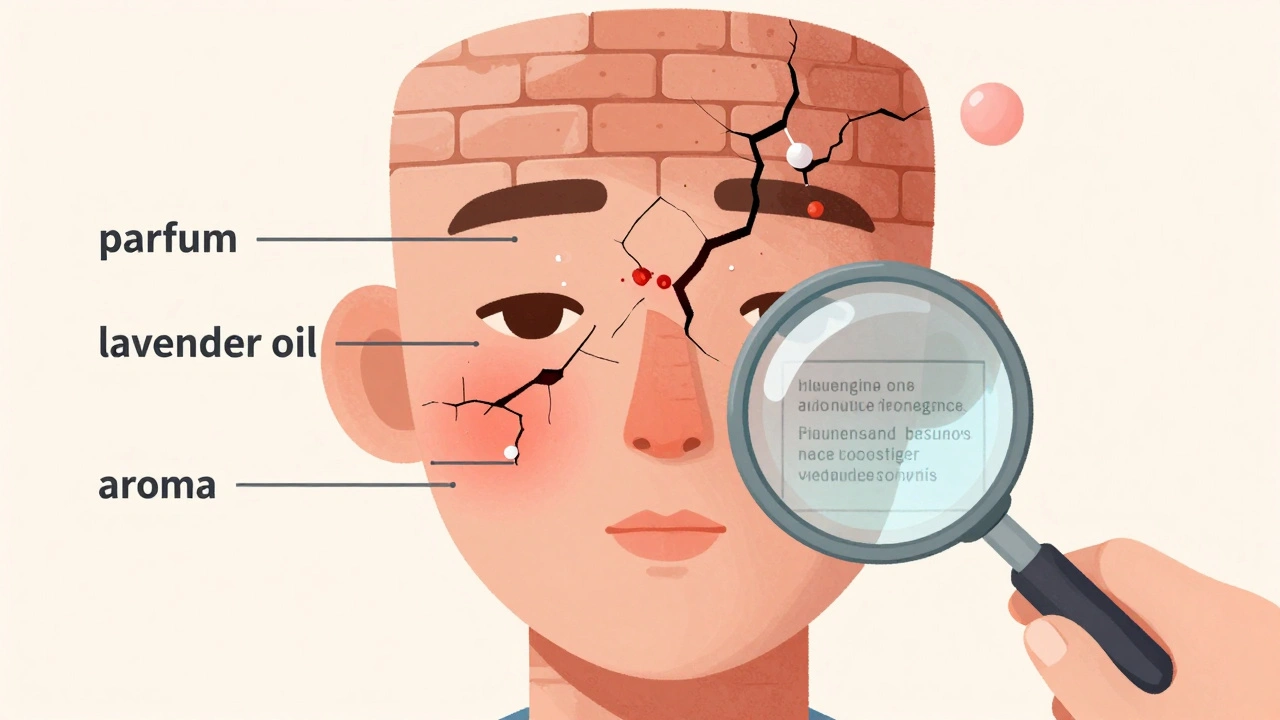
Fragrance-Free Skin Care for Sensitive Skin: Simple Routines and How to Test Products
Fragrance-free skincare routines help sensitive skin by removing common irritants. Learn how to test products, choose safe formulas, and build a simple routine that reduces redness and irritation.
read more