Protease Inhibitor: What It Is, How It Works, and What You Need to Know
When you hear protease inhibitor, a type of antiviral drug that stops viruses from making functional copies of themselves. Also known as HIV protease inhibitor, it plays a critical role in managing HIV by targeting a specific enzyme the virus needs to replicate. Without this enzyme, HIV can’t turn its raw proteins into mature, infectious particles. That’s why protease inhibitors are a backbone of modern antiretroviral therapy — they don’t cure HIV, but they keep it under control for decades.
Protease inhibitors don’t work alone. They’re almost always paired with other drugs like nucleoside reverse transcriptase inhibitors (NRTIs) or integrase inhibitors. This combo approach — called HAART or ART — is what makes HIV a manageable chronic condition today. But these drugs aren’t simple. They can cause side effects like nausea, diarrhea, and fat redistribution. Some interact badly with common meds: statins for cholesterol, certain antibiotics, or even over-the-counter supplements like St. John’s wort. That’s why knowing your full medication list matters. A single drug interaction can make your treatment fail or cause serious harm.
Not all protease inhibitors are the same. Drugs like ritonavir, lopinavir, darunavir, and atazanavir each have different dosing schedules, side effect profiles, and food requirements. Some need to be taken with food to be absorbed properly. Others can be taken once daily. Newer versions are designed to be more forgiving — fewer pills, fewer side effects, less frequent monitoring. But they still require strict adherence. Missing doses can lead to resistance, making future treatment harder.
What you won’t find in most patient brochures? How these drugs changed the game. Before protease inhibitors, HIV often progressed to AIDS within years. Now, with consistent use, people living with HIV have near-normal life expectancies. That’s not magic — it’s science. And it’s why understanding how protease inhibitors work isn’t just academic. It’s personal. Whether you’re on one, caring for someone who is, or just trying to make sense of your prescription label, knowing the basics helps you ask better questions and spot red flags.
The posts below dig into real-world issues tied to protease inhibitors and similar drugs: how drug labels hide risks, what happens when meds interact, how to track safety updates, and why some side effects are overlooked. You’ll find practical advice on managing side effects, reading your prescription label, and avoiding dangerous combos — all from the perspective of someone who’s been there.
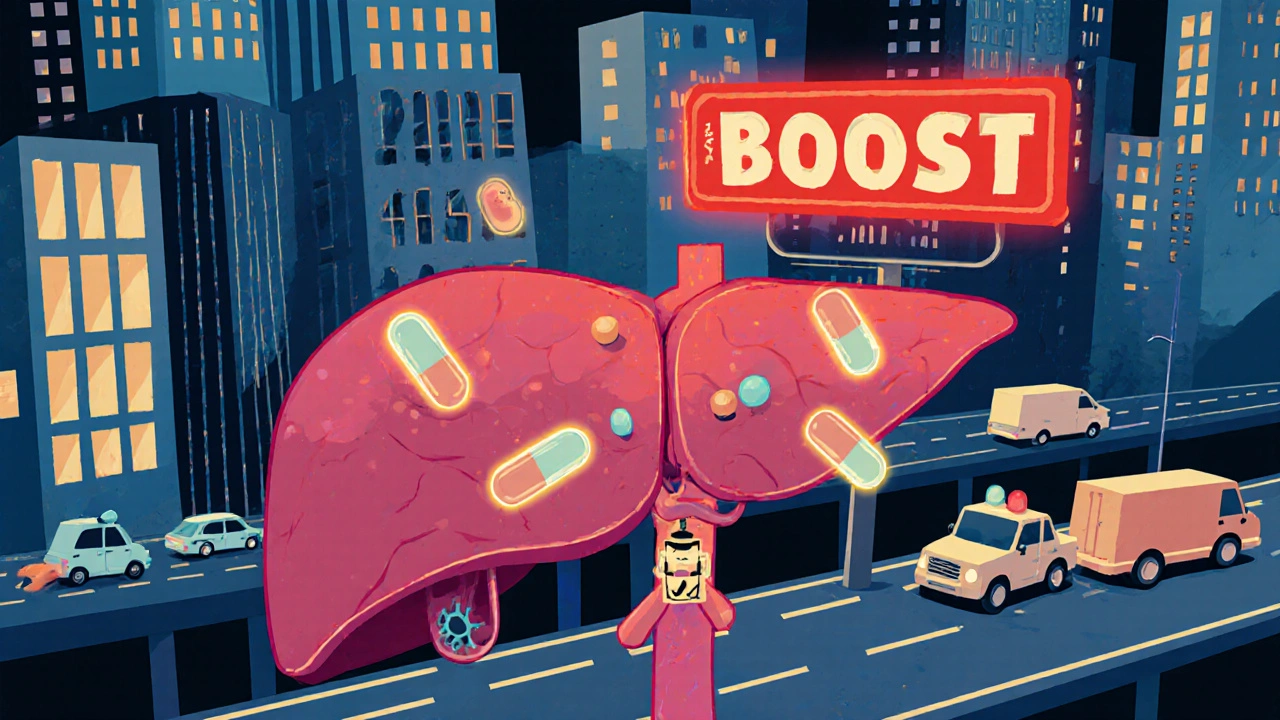
The Role of Ritonavir in HIV Treatment: What You Need to Know
Ritonavir is a key booster in modern HIV treatment, helping other antiretroviral drugs work longer and stronger. Learn how it works, who should use it, and what interactions to watch for.
read more