Postpartum Care: What You Need to Know After Giving Birth
When you give birth, your body doesn’t snap back overnight—postpartum care, the intentional support and medical attention needed after childbirth to restore physical and emotional health. It’s not just about stitches and bleeding. It’s about how you sleep, how you feel, what meds you take while breastfeeding, and whether you’re getting help when things feel overwhelming. Many people assume recovery happens in six weeks, but the truth is, your hormones, muscles, and mind are still adjusting months later. postpartum depression, a serious mood disorder that affects up to 1 in 7 new parents isn’t just "baby blues"—it’s persistent sadness, numbness, or panic that won’t go away. And if you’re nursing, breastfeeding and medication, how certain drugs pass into breast milk and affect your baby becomes a daily calculation. You need to know what’s safe, when to time doses, and which painkillers or antidepressants won’t leave your baby drowsy or irritable.
Postpartum care also means watching for signs you’re not being told about: heavy bleeding after the first week, chest pain when breathing, swelling in one leg, or sudden confusion. These aren’t normal. They’re red flags for blood clots, infections, or preeclampsia that can show up weeks after delivery. Your care team might check your blood pressure once at your six-week visit, but what about the days in between? Most new parents are left to figure out fatigue, nipple pain, or mood swings alone because no one says, "This is what to expect, and when to call for help." You’re not being dramatic if your back hurts from holding your baby all day. You’re not weak if you cry when the baby sleeps. You’re human. And you need practical, science-backed advice—not just platitudes.
What you’ll find here isn’t generic advice. It’s real talk from people who’ve been there, backed by data. You’ll learn how to time your meds so your baby gets the least exposure, what to do when your painkillers aren’t working, how to spot when depression needs more than rest, and why some "safe" supplements can actually interfere with healing. These aren’t theoretical guides—they’re tools for the messy, exhausting, beautiful reality of life after birth. Whether you’re nursing, recovering from a C-section, or just trying to get through the night, this collection gives you the facts you won’t get from a pamphlet.
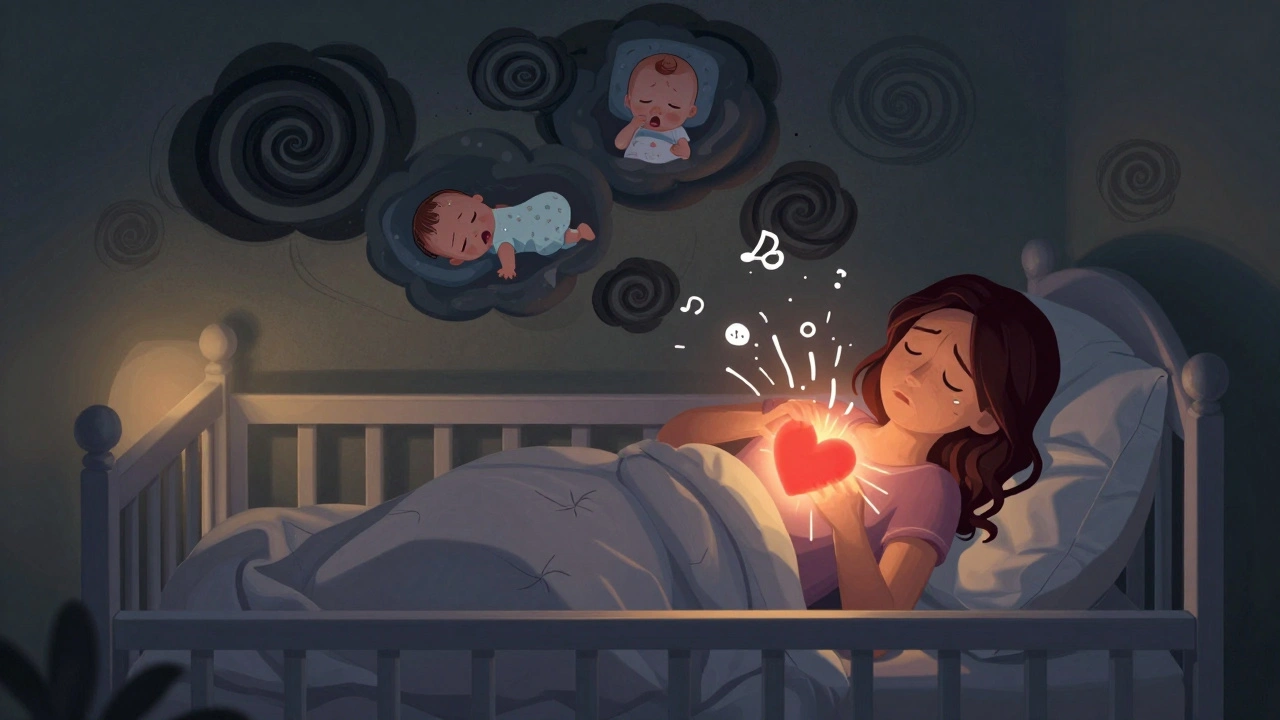
Postpartum Anxiety: Recognizing Symptoms, Screening Tools, and Effective Care Paths
Postpartum anxiety affects 1 in 5 new mothers and often goes undiagnosed. Learn the symptoms, screening tools, and evidence-based care paths-from therapy to medication-that actually work.
read more