Dermatomyositis: Causes, Treatments, and What Medications Can Help
When your muscles weaken for no clear reason and a purple-red rash shows up on your eyelids or knuckles, it might be dermatomyositis, a rare autoimmune disease where the body attacks its own muscle tissue and skin. Also known as inflammatory myopathy, it doesn’t just make everyday tasks hard—it can affect swallowing, breathing, and even raise cancer risk. This isn’t just about tired muscles. It’s your immune system going rogue, targeting blood vessels near muscles and skin, causing inflammation that leads to pain, weakness, and visible rashes.
People with dermatomyositis often need long-term treatment with corticosteroids, like prednisone, to calm the immune attack. But these drugs come with their own problems—bone loss, weight gain, high blood sugar—which is why many patients also take immunosuppressants like methotrexate or azathioprine to reduce steroid doses. It’s a balancing act: control the disease without wrecking your body. And because skin rashes are a key sign, doctors often check for hidden cancers, especially in adults, since dermatomyositis can sometimes be a warning sign of something more serious.
What you’ll find in these posts isn’t just theory. You’ll see real advice on managing side effects from long-term steroid use, how to protect your bones, and why some painkillers can make things worse if you’re already on immune-suppressing drugs. There’s no cure yet, but smart用药 and monitoring can help you keep moving, reduce flare-ups, and live well. Whether you’re newly diagnosed or have been living with this for years, the information here is about making your treatment work better—without adding more risk.
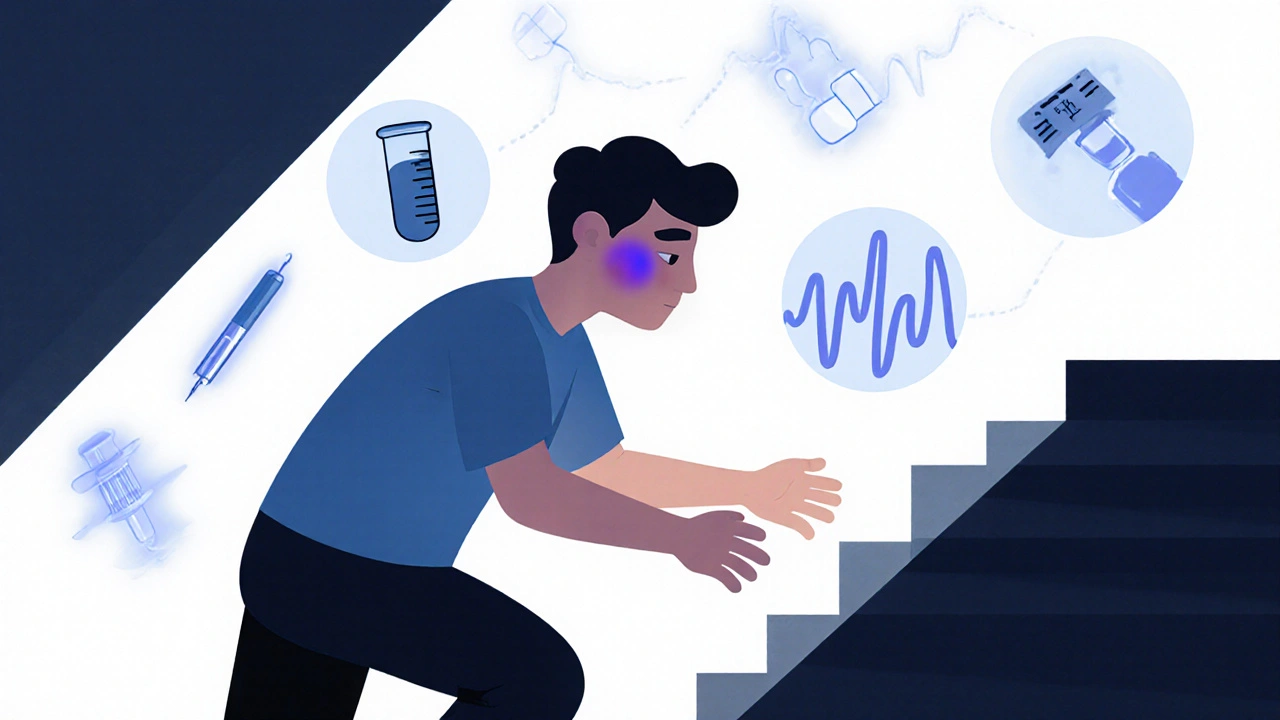
Dermatomyositis and Polymyositis: Understanding Muscle Inflammation and Modern Treatment Options
Dermatomyositis and polymyositis are rare autoimmune diseases causing muscle weakness and inflammation. Learn how they differ, how they're diagnosed, and what modern treatments-including steroids, biologics, and physical therapy-can do to restore function and improve quality of life.
read more