CBT for Anxiety: How Cognitive Behavioral Therapy Works and What Really Helps
When you're stuck in a loop of worry, panic, or avoidance, CBT for anxiety, a structured, evidence-based therapy that changes how you think and act in response to fear. Also known as cognitive behavioral therapy, it's not about talking through feelings—it's about rewiring the thoughts that keep you trapped. Unlike meds that mask symptoms, CBT teaches you how to spot the mental traps that fuel anxiety and replace them with real, practical responses. This isn’t theory—it’s a skill set, like learning to ride a bike. You don’t just read about it; you practice until it becomes automatic.
CBT for anxiety works because it targets two things: your thoughts and your behaviors. If you avoid social events because you fear judgment, CBT doesn’t just tell you to "be brave." It helps you test that fear step by step—maybe starting with saying hi to a neighbor, then texting a friend, then joining a small group. Each small win rewires your brain’s alarm system. And if you constantly think "I’m going to fail," CBT helps you ask: "What’s the evidence? What’s a more realistic outcome?" It’s not positive thinking. It’s accurate thinking.
Related tools like exposure therapy, thought records, and breathing techniques are all part of the CBT toolkit. You don’t need a fancy clinic to start—many people use guided workbooks or apps built on CBT principles. But the real power comes when you work with a trained therapist who knows how to adjust the pace and push you just enough without overwhelming you. Studies show CBT works as well as or better than medication for many types of anxiety, and the effects last longer because you’re learning how to manage it yourself.
What you’ll find in the posts below are real, no-fluff guides on how CBT fits into daily life—whether you’re managing panic attacks, social anxiety, or the constant background hum of worry. You’ll see how it connects to medications like benzodiazepines, why some people use CBT instead of pills, and how postpartum anxiety responds to therapy. There’s no magic bullet, but CBT is the closest thing we have to a reliable, lasting solution. These posts give you the practical steps, the pitfalls to avoid, and the science behind why it works—not just what to do, but why it matters.
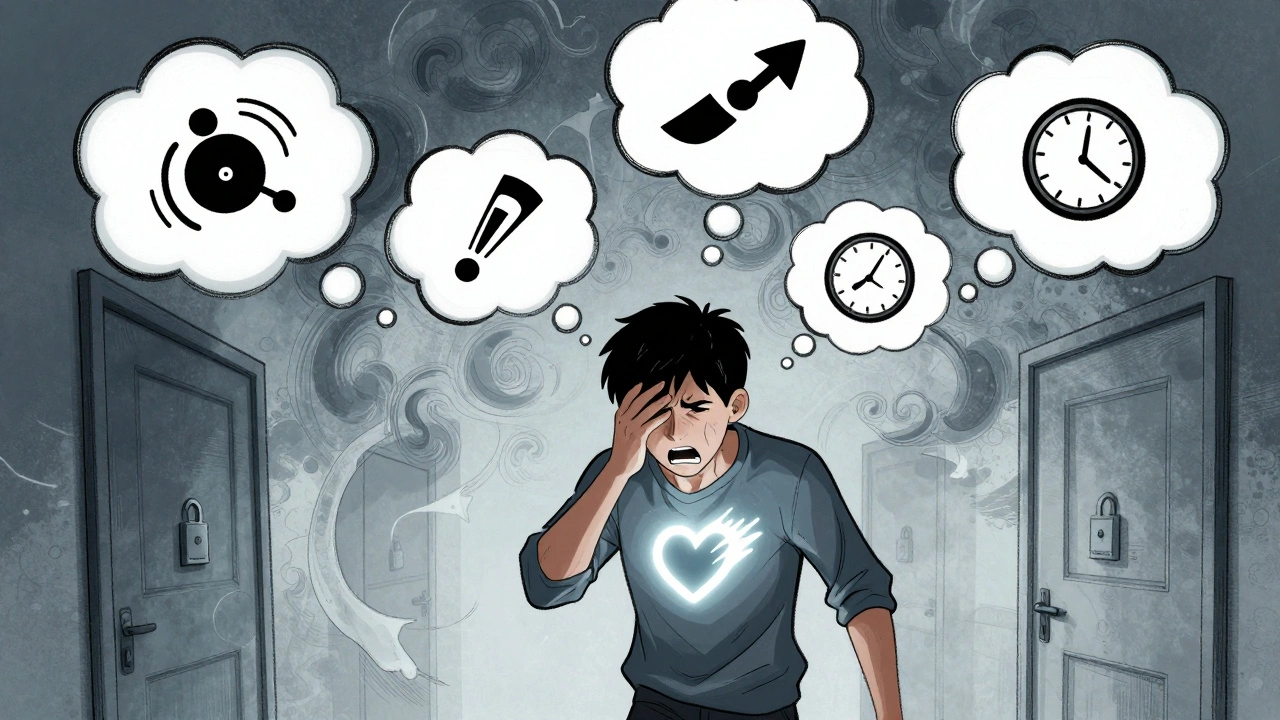
Anxiety Disorders: Types, Symptoms, and Evidence-Based Treatments
Anxiety disorders affect nearly 20% of U.S. adults and include types like GAD, panic disorder, and social anxiety. Evidence-based treatments like CBT and SSRIs offer real relief, but access and side effects remain barriers. Learn what works, what doesn't, and how to move forward.
read more