Authorized Generic Drugs: What They Are and Why They Matter
When you hear authorized generic, a brand-name drug sold under a generic label, made by the original manufacturer under the same FDA-approved conditions. It's not a copy—it's the real thing, just without the brand name and markup. Unlike regular generics, which are made by different companies after the patent expires, an authorized generic is produced on the same line, with the same ingredients, same factory, same quality control. The only difference? The box says something else.
This matters because not all generics are created equal. Some people notice a difference when they switch from brand to generic—not because the drug changed, but because the manufacturer did. With an authorized generic, you get the exact same pill, capsule, or injection you got before, just cheaper. The FDA requires these to meet the same strict standards as the brand version, including bioequivalence, manufacturing practices, and labeling. And unlike some generic manufacturers, the original brand company doesn’t cut corners when they make their own generic version—they have nothing to prove.
Why does this happen? Drug companies often launch an authorized generic to compete with other generics once the patent runs out. It’s a business move, but it’s also a win for you. You get the same drug, same reliability, same side effect profile—but at prices that can be 50% to 80% lower than the brand. And because it’s made by the original maker, there’s less risk of formulation changes, fillers, or packaging issues that sometimes cause complaints with third-party generics.
You’ll find authorized generics for common meds like Lipitor, Singulair, and Nexium. They’re not always labeled clearly, so ask your pharmacist: "Is this an authorized generic?" If they say yes, you’re getting the exact same medicine your doctor prescribed, just without the brand name sticker. No guesswork. No trial and error. Just the same result, at a fraction of the cost.
It’s not magic. It’s just smart drug pricing. And if you’ve ever switched to a generic and felt like something was off—whether it was a change in how you felt, how the pill looked, or how your insurance handled it—you’ll want to know this option exists. The therapeutic equivalence of an authorized generic isn’t just theoretical—it’s identical. The brand name drugs you know? They’re the same pills, just in a different box.
Below, you’ll find real-world guides on how to spot these drugs, when to ask for them, how they compare to regular generics, and what to watch out for when switching. Whether you’re managing a chronic condition, trying to save on prescriptions, or just tired of paying more for the same thing, this collection gives you the facts you need—no fluff, no jargon, just what works.
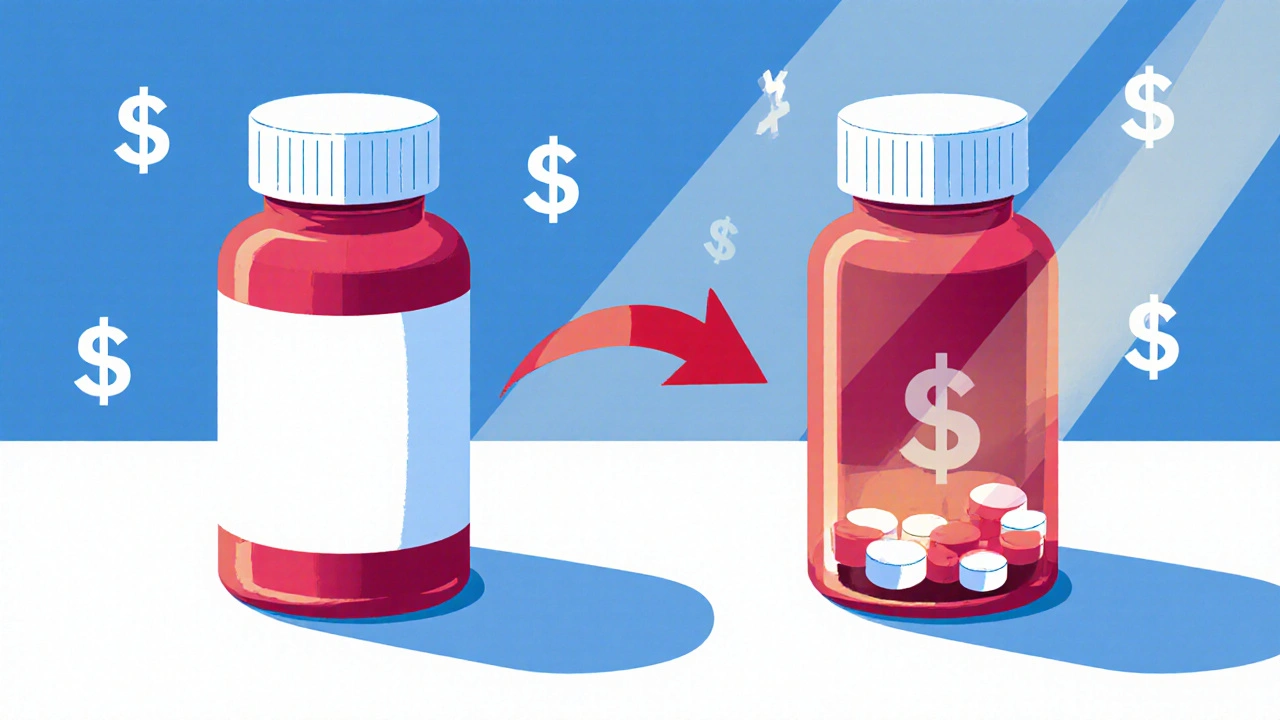
Switching from Brand to Authorized Generic: Practical Tips for Lower Costs Without Compromising Care
Switching from a brand-name drug to an authorized generic can save you $15-$30 per prescription with no loss in effectiveness. Learn how to identify, confirm, and switch safely to the same medication at a lower cost.
read more