

Most people think too much iron is a good thing-after all, iron helps carry oxygen in your blood. But when your body can’t get rid of the extra iron, it starts stacking up like rust in a pipe. And that rust doesn’t just sit there. It eats through your liver, your heart, your pancreas. This isn’t rare. It’s genetic. And it’s silently affecting about 1 in 200 people of Northern European descent, especially in places like Ireland, Scotland, and Australia.
What Exactly Is Hemochromatosis?
Hemochromatosis is a genetic disorder where your body absorbs way too much iron from food. Normally, your liver makes a hormone called hepcidin that tells your gut to slow down iron absorption. But if you have two copies of the HFE gene mutation-usually C282Y-your body stops listening. Iron keeps pouring in, even when you don’t need it. Over time, that iron builds up in your organs. The liver takes the hardest hit because it’s the main storage site. By the time symptoms show up, you might already have liver scarring.
It’s not something you catch. You inherit it. If both your parents carry the faulty gene, you have a 25% chance of having the full condition. Men are more likely to show symptoms early-usually between 30 and 50-because women lose iron through periods until menopause. That’s why many women aren’t diagnosed until after 60.
Early Signs No One Talks About
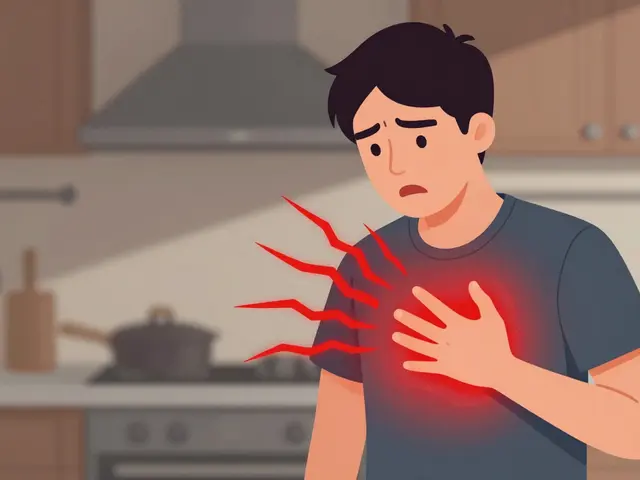
Doctors often miss hemochromatosis because the early signs look like aging, stress, or depression. Fatigue? Check. Joint pain? Especially in your knuckles? That’s classic. Loss of sex drive? Yes, that’s a red flag too. One study found 74% of patients had severe tiredness before diagnosis. Another 65% had joint pain that felt like arthritis but didn’t respond to anti-inflammatories.
By the time skin turns a bronze or gray tone, or you develop diabetes because iron destroyed your pancreas, it’s too late for simple fixes. That’s why blood tests matter. If your serum ferritin is above 300 ng/mL (or 200 for women), and your transferrin saturation is over 45%, you need genetic testing. Most people don’t get these tests unless they’re pushed. Primary care doctors rarely order them for fatigue alone.
Why Phlebotomy Is the Gold Standard
There’s no pill that fixes this. The only proven, effective, and cheap treatment is phlebotomy-removing blood. Think of it like draining a flooded basement. Every time you take out 500 mL of blood, you remove about 200-250 mg of iron. Your body doesn’t store it anymore; it loses it.
The process has two phases. First, induction: weekly blood draws until your ferritin drops to 50-100 ng/mL. For someone with ferritin over 2,000, that can mean 40-60 sessions over a year or two. It sounds intense, but most people feel better within months. Energy returns. Joint pain fades. Skin color improves.
Then comes maintenance. Once you’re clean, you don’t stop. You keep removing blood every few months-usually 4 to 6 times a year-to stay in the safe range. It’s lifelong. But here’s the kicker: it’s free or nearly free. Most insurance covers therapeutic phlebotomy. It costs less than $50 per session. Compare that to liver transplants, which can cost over $800,000.

What Happens If You Don’t Treat It?
Iron doesn’t just sit in your liver. It oxidizes. It creates free radicals. It scars tissue. When ferritin hits 1,000 ng/mL or higher, your risk of cirrhosis jumps to 50-75%. Once cirrhosis sets in, your chance of liver cancer rises dramatically. Studies show people diagnosed early-before ferritin hits 1,000-have a 95% 10-year survival rate. Those diagnosed after cirrhosis? Only 60%.
It doesn’t stop at the liver. Iron builds up in the heart and can cause arrhythmias or heart failure. It kills insulin-producing cells in the pancreas, leading to diabetes. It shuts down hormone production in the pituitary and testes, causing low testosterone and infertility. These aren’t side effects-they’re direct results of iron toxicity.
Alternatives to Blood Removal
Some people can’t handle phlebotomy. Maybe they have heart problems, severe anemia, or bad veins. For them, iron chelators like deferasirox exist. These are pills that bind to iron and flush it out through urine or stool. But they’re expensive-$25,000 to $35,000 a year-and come with side effects like nausea, kidney stress, and hearing loss. They’re a backup plan, not a replacement.
New drugs are coming. A hepcidin mimetic called PTG-300 is in trials. It tricks the body into thinking it has enough iron, so it stops absorbing more. Early results show a 53% drop in transferrin saturation in 12 weeks. But it’s not approved yet. Phlebotomy remains the only reliable, proven, accessible treatment today.

Family Screening Is Critical
Most people with hemochromatosis aren’t diagnosed until someone else is. That’s because it’s inherited. If you’re diagnosed, your siblings and children have a 25-50% chance of carrying the gene. First-degree relatives should get tested-even if they feel fine. A simple blood test for ferritin and transferrin saturation, followed by HFE gene testing if needed, can save lives.
Only 10-15% of people with hemochromatosis in the U.S. are diagnosed. That means 850,000+ people are walking around with iron poisoning, unaware. The Hemochromatosis Foundation says 70% of cases are found through family screening. Don’t wait for symptoms. If a parent, sibling, or child has it, get tested.
What to Do Now
If you’re tired all the time, have unexplained joint pain, or your liver enzymes are high, ask for a ferritin and transferrin saturation test. Don’t let a doctor dismiss it as stress or aging. If your ferritin is over 300 (or 200 for women) and transferrin saturation is above 45%, push for genetic testing. If you’re diagnosed, start phlebotomy. Stick with maintenance. It’s not glamorous, but it’s the difference between living with a ticking time bomb and living normally.
And if you’ve been diagnosed? Tell your family. Your siblings, your kids-they might be next. One test, one blood draw, one conversation could prevent years of pain, liver failure, or even death.
Can hemochromatosis be cured?
No, hemochromatosis can’t be cured because it’s genetic. But it can be completely managed. With regular phlebotomy, iron levels stay in a safe range, organs stop getting damaged, and life expectancy returns to normal. Treatment doesn’t fix the gene-it stops the damage.
Is phlebotomy the same as donating blood?
Yes, the procedure is identical. The same equipment, same blood volume, same staff. But therapeutic phlebotomy is done for medical reasons, not donation. Many blood banks will allow therapeutic patients to donate if they meet health criteria-so you’re helping others while treating yourself.
Can I eat less iron to avoid overload?
No. Your body absorbs iron regardless of how much you eat. Even a vegetarian with hemochromatosis will still overload. You can’t diet your way out of this. The only way to remove excess iron is through blood removal. Avoiding red meat helps a little, but it’s not enough.
What if I have the gene but no symptoms?
You still need treatment. Hemochromatosis is silent until damage is done. Waiting for symptoms means waiting until your liver is scarred or your pancreas is ruined. If you have two copies of the HFE mutation, start monitoring ferritin now. Begin phlebotomy when levels cross 300 ng/mL (men) or 200 ng/mL (women)-not when you feel bad.
Does alcohol make hemochromatosis worse?
Yes. Alcohol increases iron absorption and damages the liver on its own. If you have hemochromatosis, drinking alcohol multiplies your risk of cirrhosis. Even moderate drinking can push you over the edge. Abstinence isn’t optional-it’s essential.
Can women get hemochromatosis?
Absolutely. Women are just diagnosed later because monthly blood loss delays iron buildup. After menopause, their risk spikes. Many women are diagnosed only after they develop diabetes, heart problems, or liver disease. Don’t assume you’re protected just because you menstruate.
What Comes Next?
If you’ve been diagnosed, schedule your next phlebotomy now. Don’t wait until you’re tired again. Set reminders. Talk to your local blood center about therapeutic donations. Keep your ferritin between 50 and 100. If you haven’t been tested but have a family history or unexplained symptoms, ask your doctor for a ferritin and transferrin saturation test today. This isn’t about being dramatic-it’s about survival. Iron overload doesn’t care how healthy you look. It’s quiet. It’s slow. But it’s deadly if ignored.

11 Comments
So basically your body is a rusty pipe and the only fix is draining it like a sink? I love that analogy. I had no idea this was so common. My uncle got diagnosed after his liver enzymes went nuts-turns out he’d been ‘just tired’ for 15 years. Now he gets blood drawn every few months like it’s a spa day. Weirdly, he says he feels younger.
Ugh. Another ‘just get your blood drawn’ solution. Like we don’t have enough corporate medical nonsense already. Why not just tell people to eat less iron? Oh right-because the pharmaceutical industry makes bank off phlebotomy schedules. Classic.
Did you know that in some countries, they’re already testing newborns for this? We should be doing it here. It’s not just about health-it’s about national security. If your liver fails, you can’t serve. And if you can’t serve, who protects our borders? We need mandatory screening for Northern European descendants. It’s common sense.
Dear friends, I am writing this with profound respect for the scientific rigor of this article. Hemochromatosis is not merely a medical condition-it is a silent sentinel of genetic destiny. To ignore it is to invite the wrath of biochemistry upon one's own body. I implore you: if your family hails from the British Isles, do not wait for fatigue. Do not wait for pain. Test now. Act now. Your future self will kneel in gratitude.
Just wanted to add-my cousin got diagnosed after her ferritin hit 1,800. She started phlebotomy and within 6 months, her brain fog lifted. She’s 32, had been told she had ‘chronic stress’ for years. This is one of those things where early detection = life. I told my whole family to get tested.
People who ignore genetics are the same ones who think vaccines are a plot. This isn’t ‘maybe’-it’s written in your DNA. If your parents had it, you’re playing Russian roulette with your organs. No sympathy for those who wait until they’re on a transplant list.
My dad had this and never told anyone. Died of liver cancer at 58. I got tested last year. Ferritin was 412. Started phlebotomy. I feel like I’ve been asleep for a decade and just woke up. Don’t be like him. Get tested. No excuses.
For anyone considering phlebotomy: yes, it’s a commitment. But think of it as preventative maintenance for your entire biological system. You don’t wait until your car explodes to change the oil. You don’t wait until your liver is toast to remove excess iron. This is simple, effective, and free. It’s not a treatment-it’s a lifestyle upgrade.
As someone who grew up in a family where everyone assumed ‘tired’ was normal, this hits hard. My mom was diagnosed after 30 years of joint pain. She thought it was ‘just arthritis.’ Turns out, it was iron slowly turning her body into scrap metal. Now she’s fine. Just needs blood every few months. I told my kids to get tested. No drama. Just science.
Too long. Read the title. Got it. Phlebotomy works. Done.
wait so if you have the gene but no symptoms you still need treatment?? i thought you only did stuff when you felt bad… oof. i think my brother might have this… i’ll ask him to get tested