Renal Toxicity from Methotrexate: What You Need to Know
When you take methotrexate, a chemotherapy and immunosuppressant drug used for cancer, rheumatoid arthritis, and psoriasis. Also known as MTX, it works by slowing down fast-growing cells—but it can also damage your kidneys if not managed carefully. This kidney harm, called renal toxicity, kidney damage caused by medications, isn’t rare. It’s one of the most common reasons people on methotrexate need hospitalization or dose changes.
Nephrotoxicity, a broader term for kidney injury from drugs from methotrexate happens because the drug and its metabolites build up in the kidneys. If you’re dehydrated, have low urine output, or take other drugs that affect kidney function, the risk jumps. People over 65, those with pre-existing kidney disease, or anyone on high-dose methotrexate (like for cancer) are at the highest risk. Even low doses for arthritis can cause trouble if you’re not drinking enough water or taking NSAIDs like ibuprofen at the same time.
It’s not just about the dose. Your body’s ability to clear methotrexate matters too. Some people process it slowly due to genetics, and that builds up the drug longer in the blood. That’s why doctors check your eGFR, a measure of how well your kidneys filter waste before and during treatment. If your kidney numbers drop, they’ll pause the drug, adjust the dose, or give you IV fluids to flush it out faster. You don’t need fancy tests—just regular blood work and staying hydrated.
What you can do? Drink water throughout the day—aim for at least 8 glasses, more if you’re active or in hot weather. Avoid NSAIDs unless your doctor says it’s okay. Tell your pharmacist you’re on methotrexate before taking any new pill, even over-the-counter ones. And never skip your lab appointments. A simple blood test can catch early signs of kidney stress before you feel anything.
Most people take methotrexate safely for years. But the difference between safe and dangerous often comes down to awareness and small daily habits. The posts below show real cases, monitoring tips, and how other drugs interact with methotrexate—so you know exactly what to watch for, what to ask your doctor, and how to keep your kidneys healthy while staying on treatment.
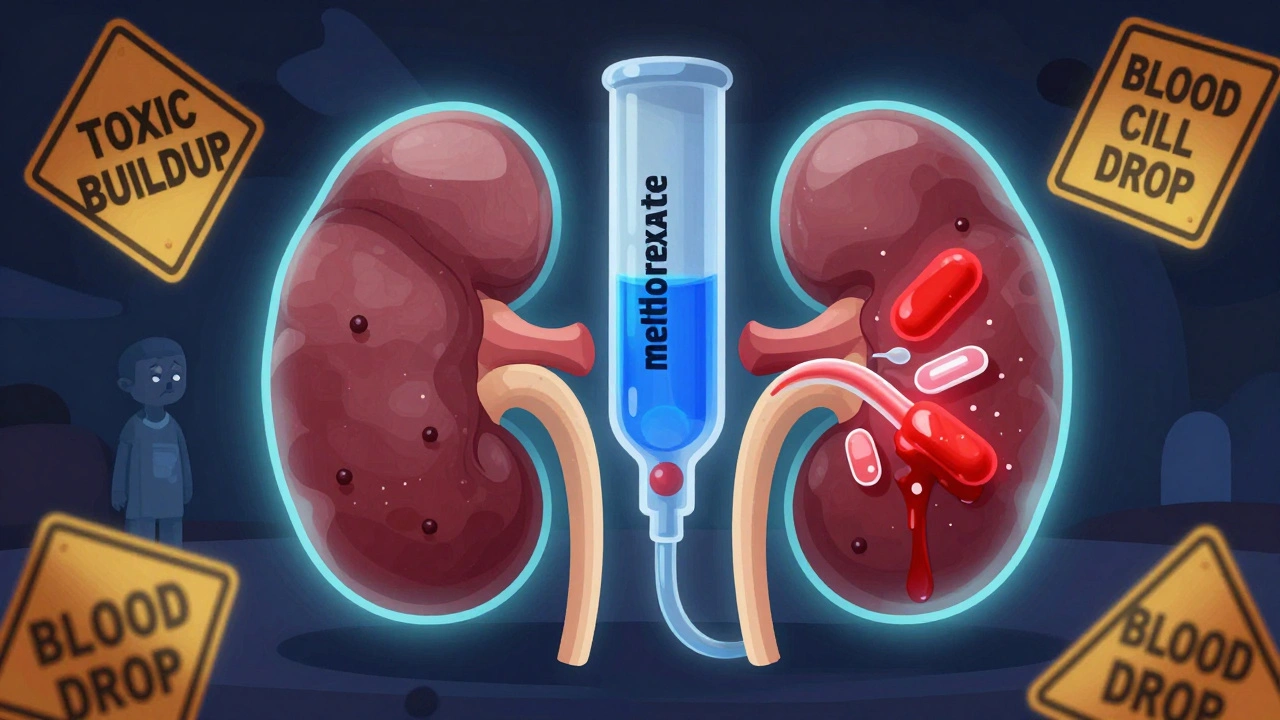
Methotrexate and NSAIDs: What You Need to Know About Renal Toxicity and Drug Levels
Methotrexate and NSAIDs can cause dangerous kidney toxicity and elevated drug levels. Learn who's at risk, which painkillers are safest, and how to prevent life-threatening side effects.
read more