Polymyositis: What It Is, How It Affects You, and What Treatments Actually Work
When your muscles start weakening for no clear reason—making it hard to climb stairs, lift groceries, or even get up from a chair—you might be dealing with polymyositis, a chronic autoimmune disease that attacks muscle tissue, leading to inflammation and progressive weakness. Also known as inflammatory myopathy, it’s not just fatigue—it’s your immune system mistakenly targeting your own muscles. This condition mostly affects adults between 30 and 60, and women are twice as likely to develop it as men. Unlike normal muscle soreness, polymyositis doesn’t improve with rest. It gets worse over weeks or months, often starting in the hips and shoulders before spreading.
Polymyositis is closely linked to other autoimmune disorders, like lupus or rheumatoid arthritis. People with this condition often need long-term treatment with corticosteroids, powerful anti-inflammatory drugs used to suppress the immune system’s attack on muscle tissue. But here’s the catch: while these drugs help control inflammation, they also increase the risk of steroid-induced osteoporosis, bone thinning caused by prolonged steroid use that raises fracture risk. That’s why managing polymyositis isn’t just about easing muscle pain—it’s about balancing treatment to protect your bones, heart, and overall health. Many patients also take immune-suppressing drugs like methotrexate or azathioprine, which can interact with other medications, including painkillers or antibiotics.
What makes polymyositis tricky is that its symptoms overlap with other muscle diseases. You might be told it’s just aging, overtraining, or even depression. But if you’ve had unexplained weakness for more than a few weeks, especially with trouble swallowing or breathing, it’s worth getting tested. Blood tests for muscle enzymes like CK, EMG scans, and muscle biopsies are key to confirming the diagnosis. Treatment works best when started early, and many people regain significant strength with the right combo of medication, physical therapy, and lifestyle adjustments.
You’ll find real-world advice here on how to manage side effects from the drugs used to treat polymyositis, how to protect your bones while on steroids, and how to avoid dangerous interactions with common medications. Whether you’re newly diagnosed or have been living with this for years, the posts below give you clear, no-fluff guidance on what actually helps—and what doesn’t.
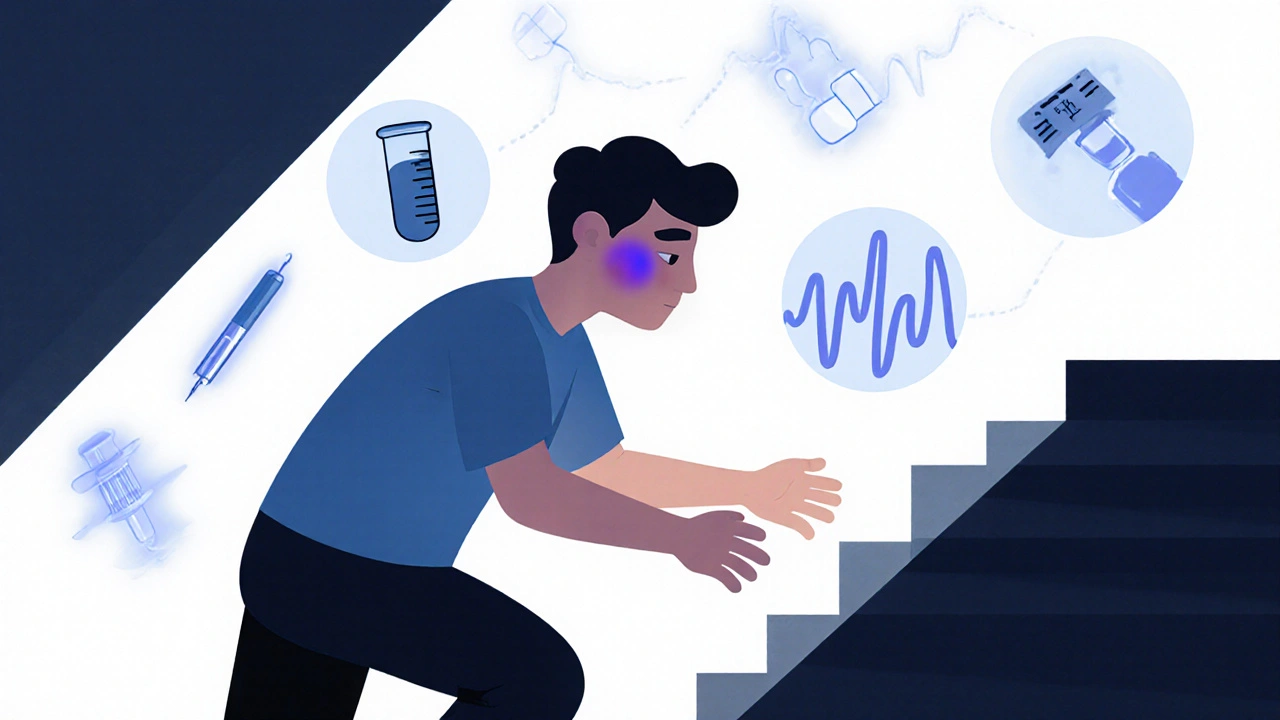
Dermatomyositis and Polymyositis: Understanding Muscle Inflammation and Modern Treatment Options
Dermatomyositis and polymyositis are rare autoimmune diseases causing muscle weakness and inflammation. Learn how they differ, how they're diagnosed, and what modern treatments-including steroids, biologics, and physical therapy-can do to restore function and improve quality of life.
read more