Perinatal Anxiety: What It Is, How It Affects You, and What Helps
When you’re pregnant or just had a baby, it’s normal to feel worried. But when that worry doesn’t go away, starts to interfere with sleep, eating, or caring for your baby, you might be dealing with perinatal anxiety, a clinical condition that includes excessive fear, panic, and physical symptoms during pregnancy or the first year after childbirth. Also known as pregnancy anxiety or postpartum anxiety, it’s not just "being stressed"—it’s a real, measurable health issue that affects up to 1 in 5 new parents. Many people assume anxiety after childbirth is just the baby blues, but perinatal anxiety can last for months, make you feel like you’re losing control, or cause constant racing thoughts about your baby’s safety—even when there’s no real danger.
This isn’t something you can just "snap out of." It’s tied to hormonal shifts, sleep deprivation, and the overwhelming pressure to be a "perfect" parent. And it often goes unnoticed because people don’t talk about it. You might feel guilty for being anxious when you "should" be happy. But the truth is, maternal mental health, the emotional and psychological well-being of people during pregnancy and after birth is just as important as physical health. Left untreated, perinatal anxiety can affect bonding with your baby, your ability to care for yourself, and even increase the risk of depression. The good news? It responds well to therapy, lifestyle changes, and sometimes medication—many of which are safe to use while pregnant or breastfeeding.
You’ll find real-world advice here on how to spot the signs early, what treatments actually work without harming your baby, and how to talk to your doctor about options like antidepressants during pregnancy, medications that can help manage anxiety without increasing fetal risk when used correctly. We cover timing doses to reduce infant exposure, why some anxiety meds are safer than others, and how to weigh the risks of untreated anxiety versus medication use. You’ll also see how tools like cognitive behavioral therapy and breathing techniques can be just as powerful as pills—sometimes more so. This isn’t about fear. It’s about knowing your options so you can choose what’s right for you and your baby.
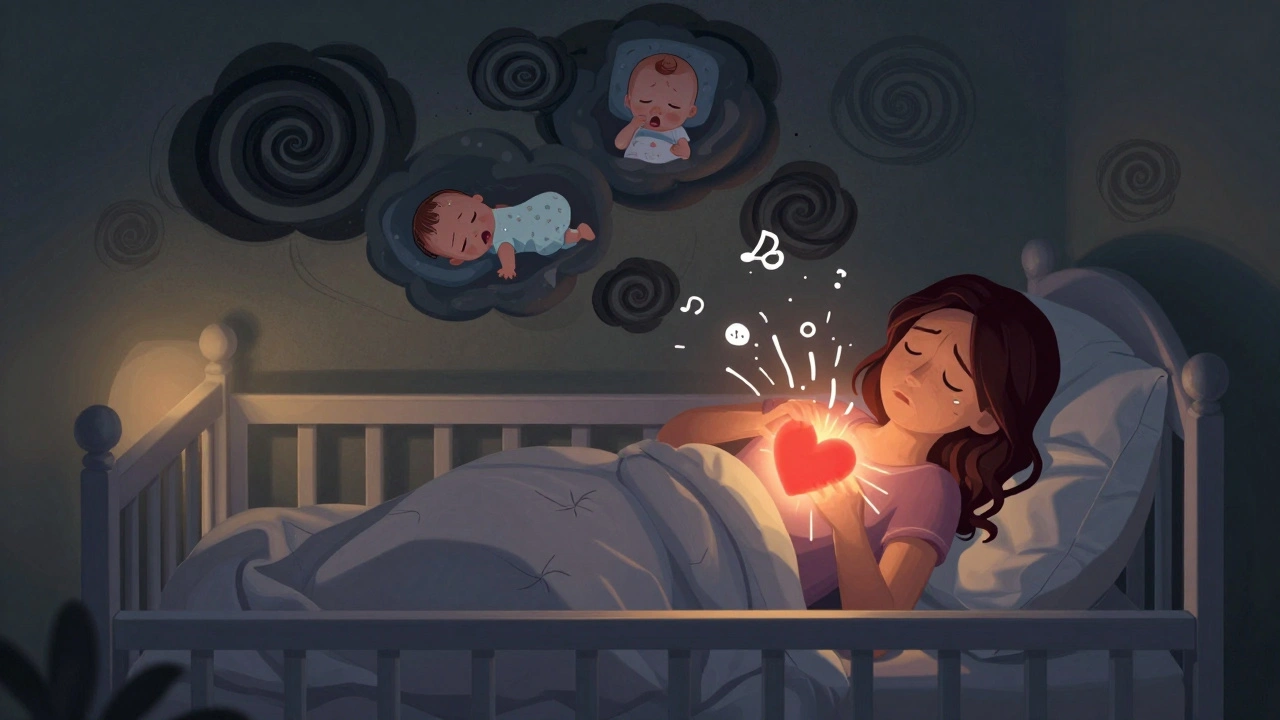
Postpartum Anxiety: Recognizing Symptoms, Screening Tools, and Effective Care Paths
Postpartum anxiety affects 1 in 5 new mothers and often goes undiagnosed. Learn the symptoms, screening tools, and evidence-based care paths-from therapy to medication-that actually work.
read more