Clostridioides difficile: What It Is, How It Spreads, and How to Fight It
When you take antibiotics, you’re not just killing bad bacteria—you might also wipe out the good ones that keep your gut in balance. That’s when Clostridioides difficile, a spore-forming bacterium that thrives when gut flora is disrupted. Also known as C. diff, it can cause severe diarrhea, fever, and life-threatening colon inflammation. This isn’t just a hospital problem—it’s a growing threat in communities too, especially among older adults, people on long-term antibiotics, or those with weakened immune systems.
Antibiotic-associated diarrhea, the most common trigger for C. diff infections happens when drugs like clindamycin, fluoroquinolones, or cephalosporins clear out protective gut bacteria. Without competition, C. diff multiplies and releases toxins that damage the colon lining. You might think it’s just a stomach bug, but if you’ve had three or more loose stools a day for two days after antibiotics, it could be C. diff. And it’s contagious—spores survive on doorknobs, bed rails, and even your phone for weeks. That’s why handwashing with soap and water (not just sanitizer) is critical in homes and hospitals.
C. diff treatment, ranges from stopping the triggering antibiotic to targeted drugs like vancomycin or fidaxomicin. Fecal transplants are now a proven option for recurring cases, restoring healthy gut bacteria with donor stool. But prevention matters more than cure. Avoid unnecessary antibiotics. Ask your doctor if the drug you’re being prescribed is truly needed. If you’re in a hospital, push for cleaning protocols and ask staff to wash their hands. And if you’ve had C. diff before, your risk of another episode jumps to 20-30%. That’s why knowing the signs and acting fast can save you from months of suffering.
The posts below cover real-world issues tied to C. diff—from how antibiotics trigger it, to how drug interactions make recovery harder, to how patients manage side effects and prevent relapse. You’ll find practical advice on spotting early warning signs, understanding treatment options, and protecting yourself when you’re most vulnerable. No fluff. Just what you need to know to stay safe.
Clostridioides difficile: Understanding Antibiotic-Associated Diarrhea and How to Prevent It
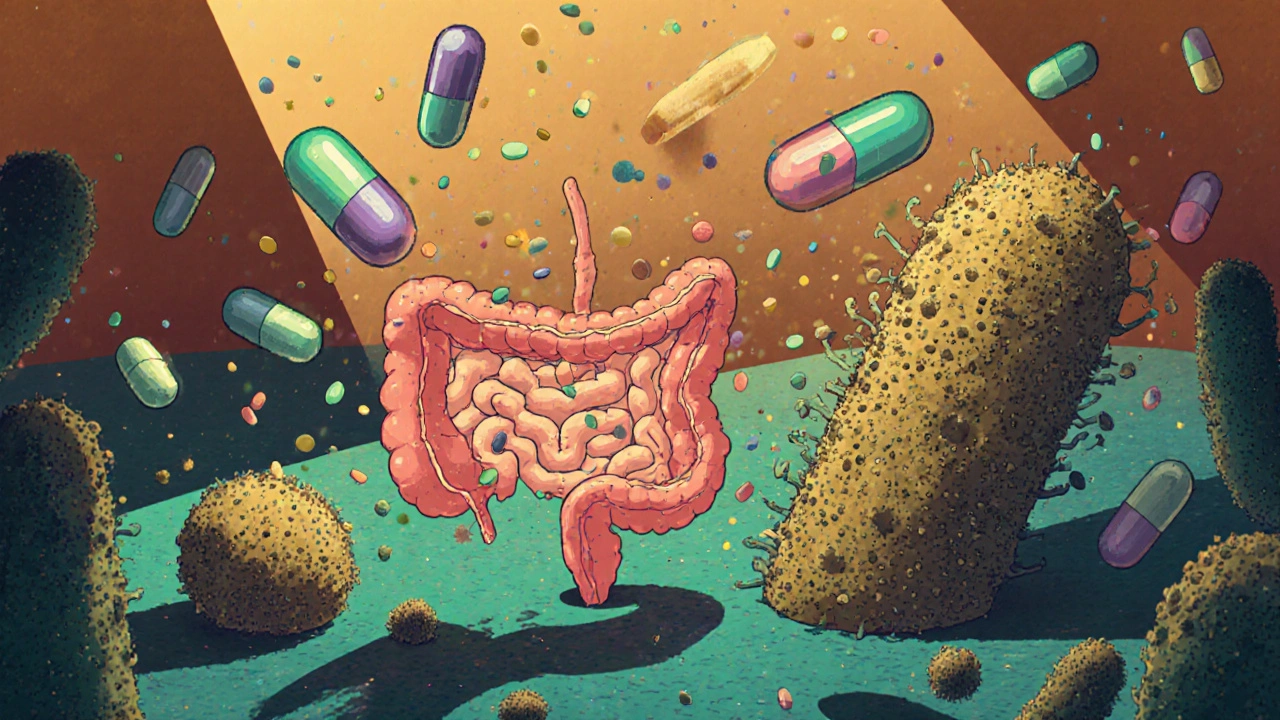
Clostridioides difficile causes severe antibiotic-associated diarrhea and can be life-threatening. Learn how it spreads, who’s at risk, why probiotics don’t work for prevention, and what treatments actually work today.
read more