Opioid Side Effects: What You Need to Know Before Taking Them
When you take opioids, a class of powerful pain-relieving drugs that include oxycodone, hydrocodone, morphine, and fentanyl. Also known as narcotics, they work by binding to receptors in your brain and spinal cord to reduce pain signals. But for every person who finds relief, others face risks that aren’t always obvious—like slowed breathing, extreme drowsiness, or dependence that sneaks up over time.
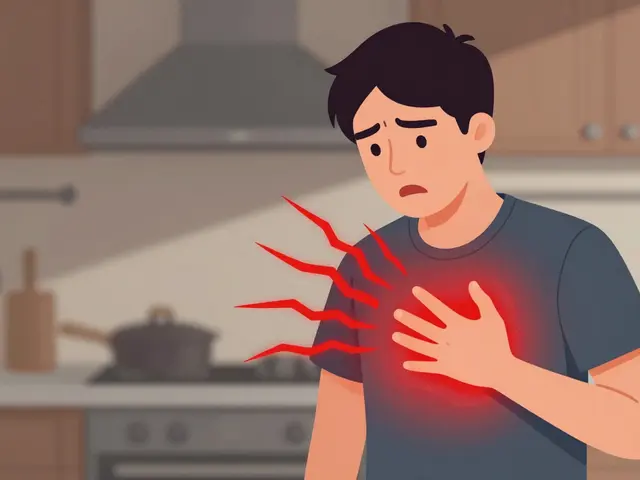
Opioid side effects aren’t just about feeling sleepy. The most dangerous one is respiratory depression, when breathing becomes too slow or shallow to keep oxygen flowing. This can happen even at prescribed doses, especially if you mix opioids with alcohol, benzodiazepines, or sleep aids. It’s not rare—it’s the leading cause of death in opioid overdoses. Then there’s constipation, a near-universal side effect that doesn’t go away with tolerance. Many people don’t realize it’s drug-related until they’re stuck for days. And when you try to stop? opioid withdrawal, a harsh mix of nausea, muscle aches, anxiety, and insomnia, can make quitting feel impossible without help.
These aren’t theoretical risks. People on long-term opioid therapy for back pain, arthritis, or post-surgery recovery often don’t get warned about how these side effects build up. You might think tolerance means safety, but it doesn’t. Your body adapts, but your breathing doesn’t get better at handling low oxygen. Your gut doesn’t magically start moving again. And the craving doesn’t vanish—it just hides until you’re not paying attention.
The posts below dig into real stories, medical data, and practical steps to spot trouble early. You’ll find what to do if you notice breathing changes, how to manage constipation without laxatives that don’t work, and why withdrawal shouldn’t be faced alone. No fluff. No fearmongering. Just what you need to stay safe if you’re taking opioids—or helping someone who is.
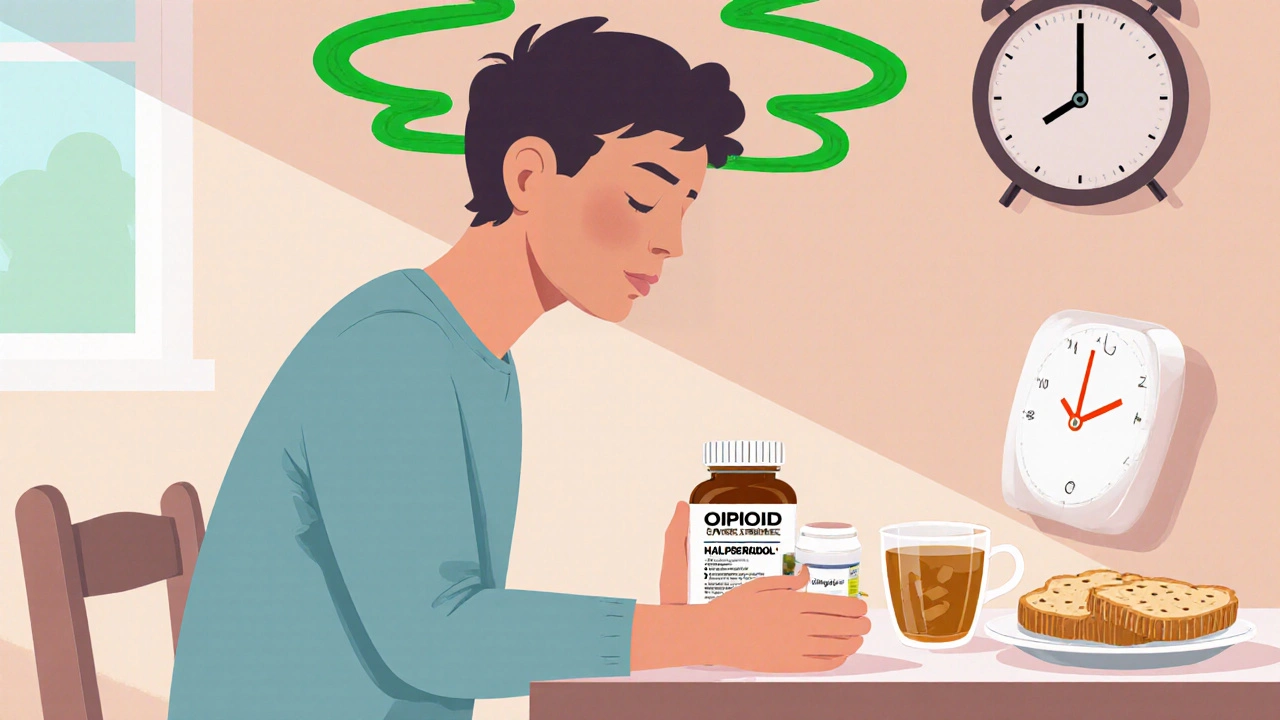
Nausea from Opioids: How to Manage It with Antiemetics, Timing, and Diet
Opioid-induced nausea affects 30-40% of new users, but it's manageable with the right antiemetics, timing, and diet changes. Learn what works, what doesn't, and how to stay on your pain medication without feeling sick.
read more