Brand Name Drug: What It Really Means and How It Compares to Generics
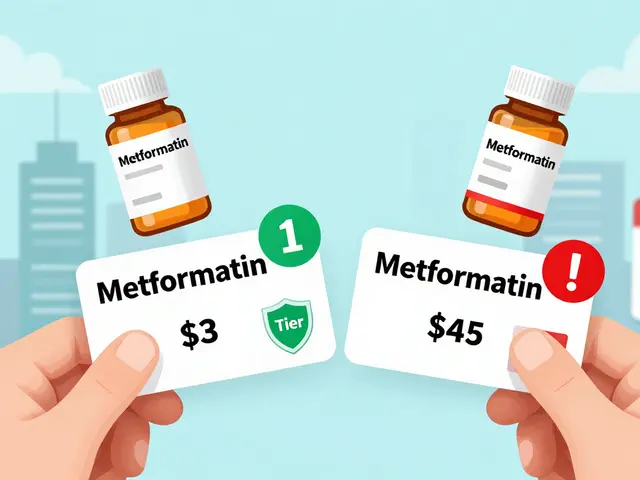
When you hear brand name drug, a medication sold under a proprietary name by the original manufacturer after patent protection. Also known as innovator drug, it's the version that first hits the market after years of research and clinical trials. It’s not just a name—it’s a promise of original development, but not necessarily better results. Many people assume brand name drugs are stronger, safer, or more effective. They’re not. The generic drug, a chemically identical version approved after the brand’s patent expires works the same way, in the same dose, for the same condition. The FDA requires every generic to prove therapeutic equivalence, meaning it delivers the same amount of active ingredient into your bloodstream at the same rate as the brand. That’s not a guess—it’s a lab-tested fact. The real difference? Price. A brand name drug can cost 10 to 100 times more than its generic twin—not because it’s better, but because the maker recouped its R&D costs. Once the patent expires, other companies can make the same medicine without repeating expensive clinical trials. That’s why generics are cheaper. It’s not a loophole—it’s the system working as designed. The FDA even uses the Orange Book, a public database listing all approved drugs and their bioequivalence status to help doctors and pharmacists know which generics are interchangeable. Some people worry about switching from a brand to a generic. Maybe they had a bad experience—or heard a story. But in over 99% of cases, the switch is seamless. The FDA tests generics for bioequivalence, how quickly and completely the body absorbs the drug. If it’s within 80–125% of the brand’s absorption rate, it’s approved. That’s a tight range. Even small differences in inactive ingredients (like fillers or dyes) are reviewed for safety. You won’t find hidden ingredients or weaker doses in FDA-approved generics. Still, there are exceptions. For drugs with a narrow therapeutic index—like blood thinners, thyroid meds, or seizure drugs—some doctors prefer to stick with one version. That’s not because generics are risky. It’s because tiny changes in absorption could matter more. In those cases, consistency matters more than cost. But even then, switching between approved generics is usually safe. What’s not safe? Buying unregulated versions online or using expired pills. Stick with FDA-approved products, whether brand or generic. The bottom line: A brand name drug, a medication sold under a proprietary name by the original manufacturer after patent protection is not superior to its generic counterpart. They’re the same medicine, made to the same standards. The only real difference is what’s printed on the label—and the price tag. If your doctor doesn’t specify "dispense as written," ask if a generic is an option. You could save hundreds without sacrificing safety or effectiveness. Below, you’ll find real-world guides on how to spot the differences, understand labels, avoid common mistakes, and make sure you’re getting the right treatment—without overpaying.
Switching from Brand to Authorized Generic: Practical Tips for Lower Costs Without Compromising Care
Switching from a brand-name drug to an authorized generic can save you $15-$30 per prescription with no loss in effectiveness. Learn how to identify, confirm, and switch safely to the same medication at a lower cost.
read more