Asthma and Painkillers: What You Need to Know Before Taking Them Together
When you have asthma, a chronic lung condition that causes airway swelling and breathing trouble, your body is already on edge. Add a common painkiller into the mix, and things can go wrong fast. Not all pain relievers are safe for people with asthma—some can trigger attacks, worsen symptoms, or cancel out your inhaler’s effects. This isn’t theoretical. Studies show that up to 20% of adults with asthma report worsening symptoms after taking NSAIDs, nonsteroidal anti-inflammatory drugs like ibuprofen or naproxen. For others, even aspirin can cause serious breathing problems. If you’re managing asthma, you need to know which painkillers to avoid and which ones won’t put your lungs at risk.
It’s not just NSAIDs. opioids, painkillers like codeine, oxycodone, or hydrocodone can also cause trouble. They slow your breathing, which sounds harmless until you realize your airways are already tight. Combine that with asthma, and you’re looking at a higher chance of hospital visits. Plus, opioids often cause nausea and drowsiness—side effects that make it harder to use your inhaler properly or notice early warning signs of an attack. And here’s the twist: some people with asthma are prescribed steroids for long-term control. Those same steroids can weaken bones over time, which is why you might see articles about steroid-induced osteoporosis, bone loss from long-term corticosteroid use. But if you’re taking painkillers on top of that, you’re stacking risks without even knowing it.
So what’s the fix? It’s not about avoiding pain—it’s about choosing smarter. Acetaminophen (Tylenol) is usually the go-to for people with asthma because it doesn’t affect the airways the way NSAIDs do. But even that isn’t risk-free if you’re taking it daily or with other meds. The real key is knowing your triggers and talking to your pharmacist or doctor before grabbing anything off the shelf. Many people don’t realize their asthma inhaler can interact with other drugs—like beta-blockers for high blood pressure or antihistamines for allergies. That’s why articles like Asthma and COPD Medications: Key Interactions and Safety Risks You Need to Know exist. They’re not just warnings—they’re survival guides. Below, you’ll find real, practical advice from people who’ve been there: how to spot dangerous combinations, what to ask your doctor, and how to read your prescription label so you don’t accidentally make your asthma worse.
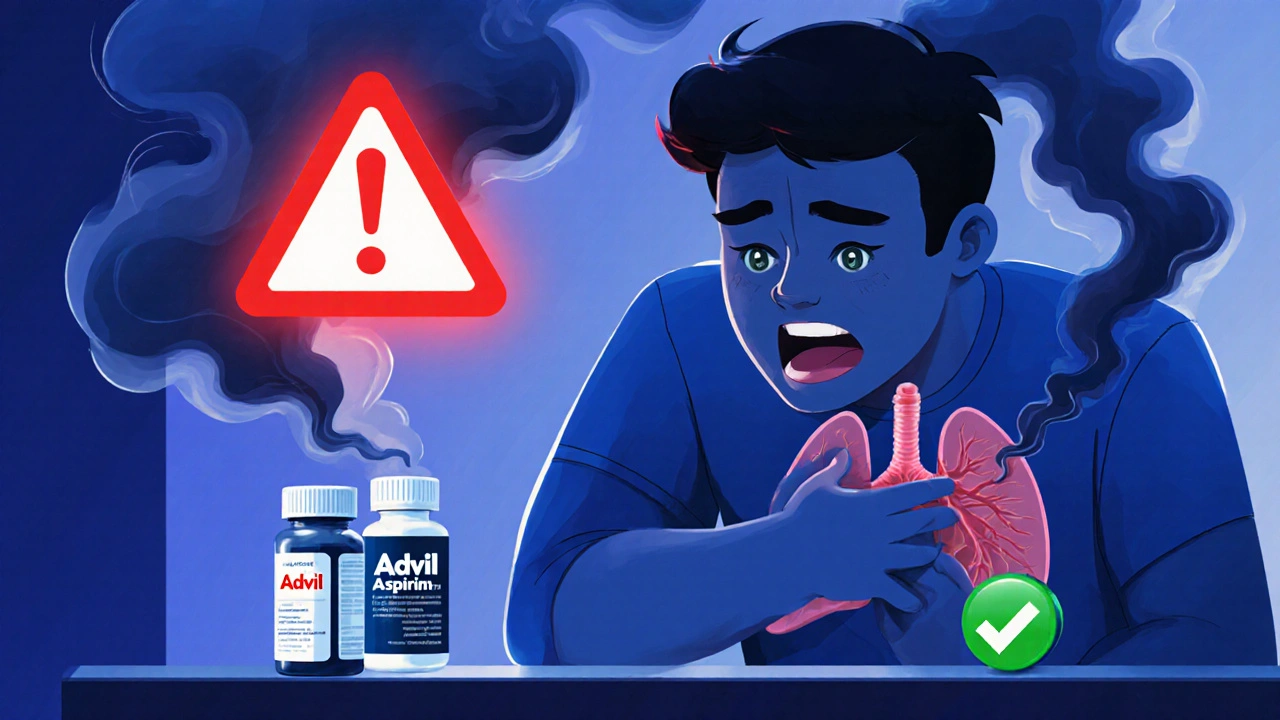
NSAID Sensitivity and Asthma: What Patients Should Watch
NSAID-sensitive asthma, known as NERD, affects 7% of asthma patients and can cause life-threatening reactions to common painkillers. Learn the signs, risks, and safe alternatives.
read more