Risk-Benefit Statements: Understand Medication Trade-Offs Before You Take Them
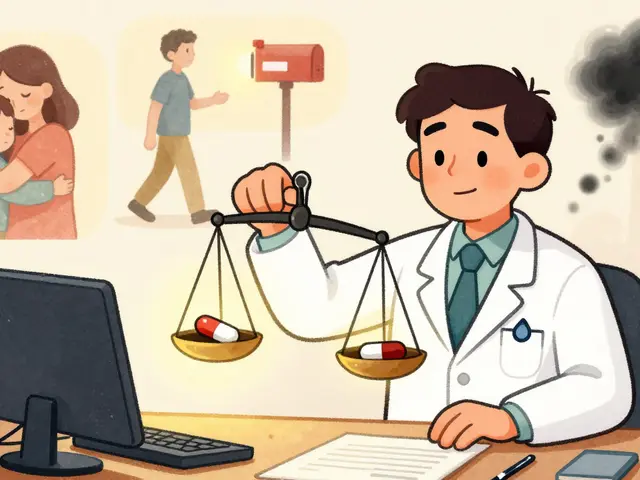
When a doctor prescribes a drug, they’re not just giving you a pill—they’re presenting a risk-benefit statement, a clear evaluation of how much good a medication can do versus how much harm it might cause. Also known as a therapeutic trade-off, it’s the quiet conversation between safety and effectiveness that decides whether you take the medicine or not. This isn’t marketing. It’s medicine. And if you don’t understand it, you’re making decisions blindfolded.
Every drug on the market comes with this built-in balance. Take blood thinners like warfarin or DOACs—they prevent deadly clots, but they also raise your risk of severe bleeding. The FDA requires this balance to be clear on labels and in Medication Guides, yet most people never read them. Or they assume ‘FDA-approved’ means ‘completely safe.’ It doesn’t. It means the benefit outweighs the risk for most people under normal conditions. But what about you? Your age, your other meds, your liver function, your diet—all of it changes the math. That’s why risk-benefit statements aren’t one-size-fits-all. A drug that saves one person’s life could put another in the ER.
Look at opioids for chronic pain. For some, the nausea and drowsiness are manageable. For others, the risk of dependency or overdose makes the trade-off too steep. Ritonavir boosts HIV drugs, but it plays dirty with other meds—your cholesterol pill, your antidepressant, even your herbal supplement. And misoprostol for miscarriage? It’s safe and effective, but it causes cramping and heavy bleeding. Is that worth avoiding surgery? Only you and your doctor can answer that, if you have the full picture.
These aren’t abstract concepts. They’re daily decisions. The FDA’s boxed warnings, the printed Medication Guides you’re legally entitled to, the refill labels with side effect codes—they’re all pieces of the same puzzle. And the more you know about how these pieces fit, the less likely you are to be surprised when something goes wrong. You don’t need a medical degree. You just need to know what questions to ask: What’s the chance this will help me? What’s the chance it will hurt me? And what happens if I do nothing?
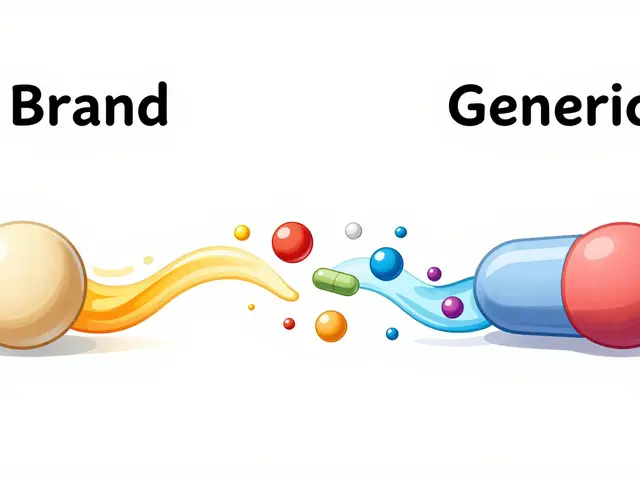
Below, you’ll find real-world examples from people who’ve walked this line—managing opioid nausea without quitting pain relief, spotting early signs of bleeding on blood thinners, avoiding dangerous juice-drug interactions, and understanding why generics are just as safe as brand names. These aren’t theory pages. They’re survival guides written by people who’ve been there. And they’re here to help you make smarter calls—before the next prescription hits your counter.
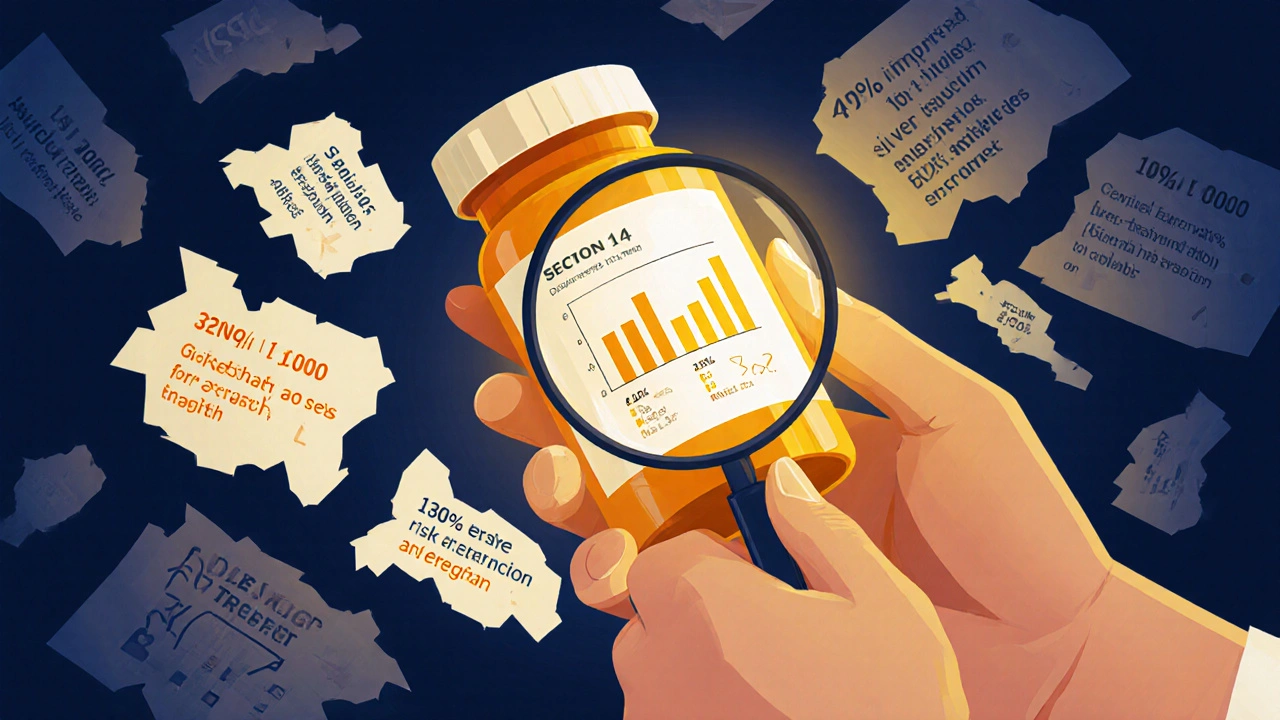
Understanding Risk-Benefit Statements in FDA Drug Labels: What Patients Need to Know
Learn how to read FDA drug labels to understand real risks and benefits - not just jargon. Get clear tips on finding key info, interpreting numbers, and asking the right questions to make smarter treatment decisions.
read more