Brimonidine Eye Drops: Uses, Side Effects, and What You Need to Know
When you're dealing with high eye pressure, brimonidine eye drops, a prescription medication used to reduce intraocular pressure in glaucoma and ocular hypertension. Also known as Alphagan P, it works by decreasing the amount of fluid made in the eye and helping it drain better. Unlike some other glaucoma meds that just block fluid production, brimonidine does both—making it a go-to for many patients who need steady pressure control.
It’s an alpha agonist, a class of drugs that activate specific receptors in the eye to reduce fluid buildup. This means it targets nerves in the eye’s drainage system, not just the fluid factory. That’s why it’s often paired with other eye drops like beta-blockers or prostaglandins—each tackles the problem from a different angle. People using it for years often report fewer spikes in pressure compared to using one drug alone. But it’s not without trade-offs. Dry mouth, tired eyes, and a weird metallic taste are common. Some feel drowsy or dizzy, especially when they first start. If you’re on other meds for blood pressure or depression, talk to your doctor—brimonidine can interact with those, too.
It’s not for everyone. If you have heart issues, low blood pressure, or take MAO inhibitors, this might not be safe. Kids under 2 shouldn’t use it. And while it’s not addictive, your eyes can get used to it over time, making it less effective. That’s why some doctors switch patients every few years or add another drop to keep pressure down. If your vision gets blurry right after applying it, don’t panic—it usually clears in minutes. But if redness, swelling, or pain lasts, call your eye doctor. These drops are meant to protect your sight, not hurt it.
You’ll find stories in the posts below about how brimonidine fits into real-world treatment plans—what works, what doesn’t, and what side effects people actually experience. Some use it alone. Others combine it with other meds. A few had to stop because of side effects. You’ll also see how it compares to newer options like netarsudil or latanoprost. Whether you’re just starting out or have been using it for years, the info here will help you ask better questions and spot red flags before they become problems.
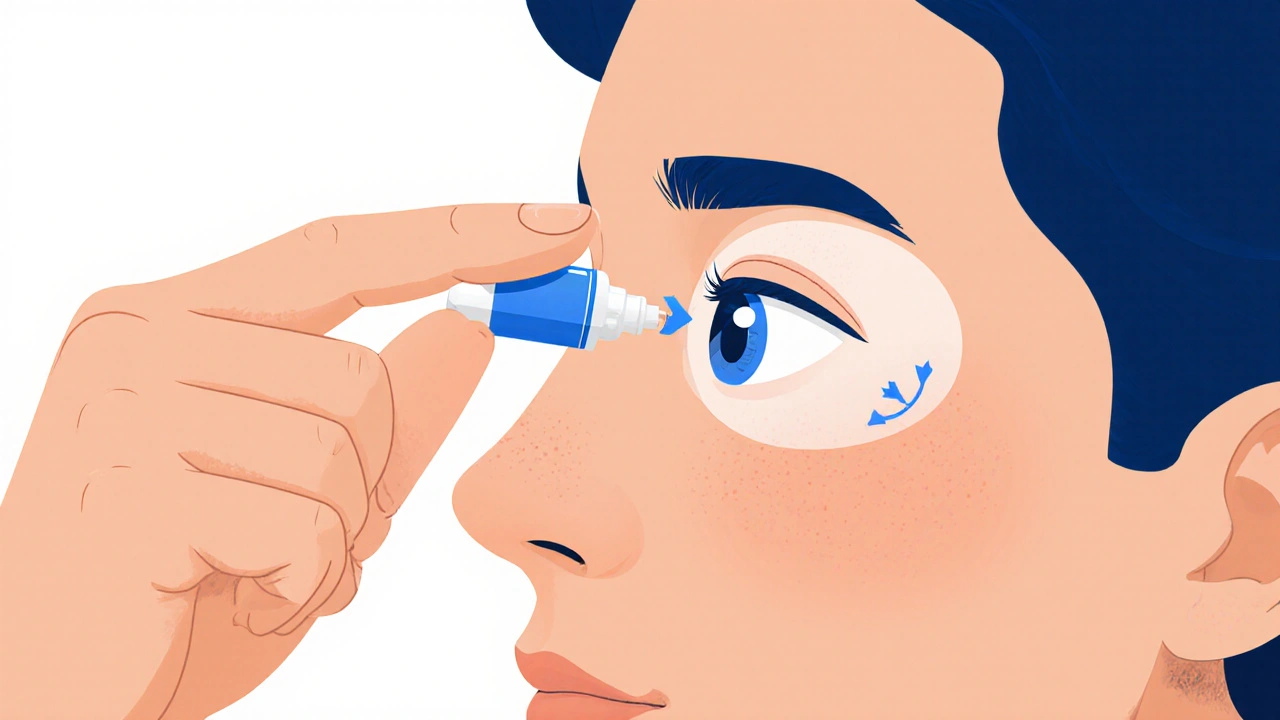
Tips for Managing and Preventing Common Side Effects of Brimonidine Tartrate
Learn practical ways to reduce dry mouth, drowsiness, and eye irritation from brimonidine tartrate eye drops. Simple techniques like punctal occlusion and proper timing can make a big difference in comfort and safety.
read more